American Eskimo Dog vs Bichon Frise
Side-by-side comparison across all 14 AKC trait ratings, with a clear verdict on which breed fits which kind of household.
Not sure which breed fits your life?
Answer five questions about your home, your schedule, and your tolerance for shedding. We’ll match you to your top three breeds from over 200.
American Eskimo Dog vs Bichon Frise
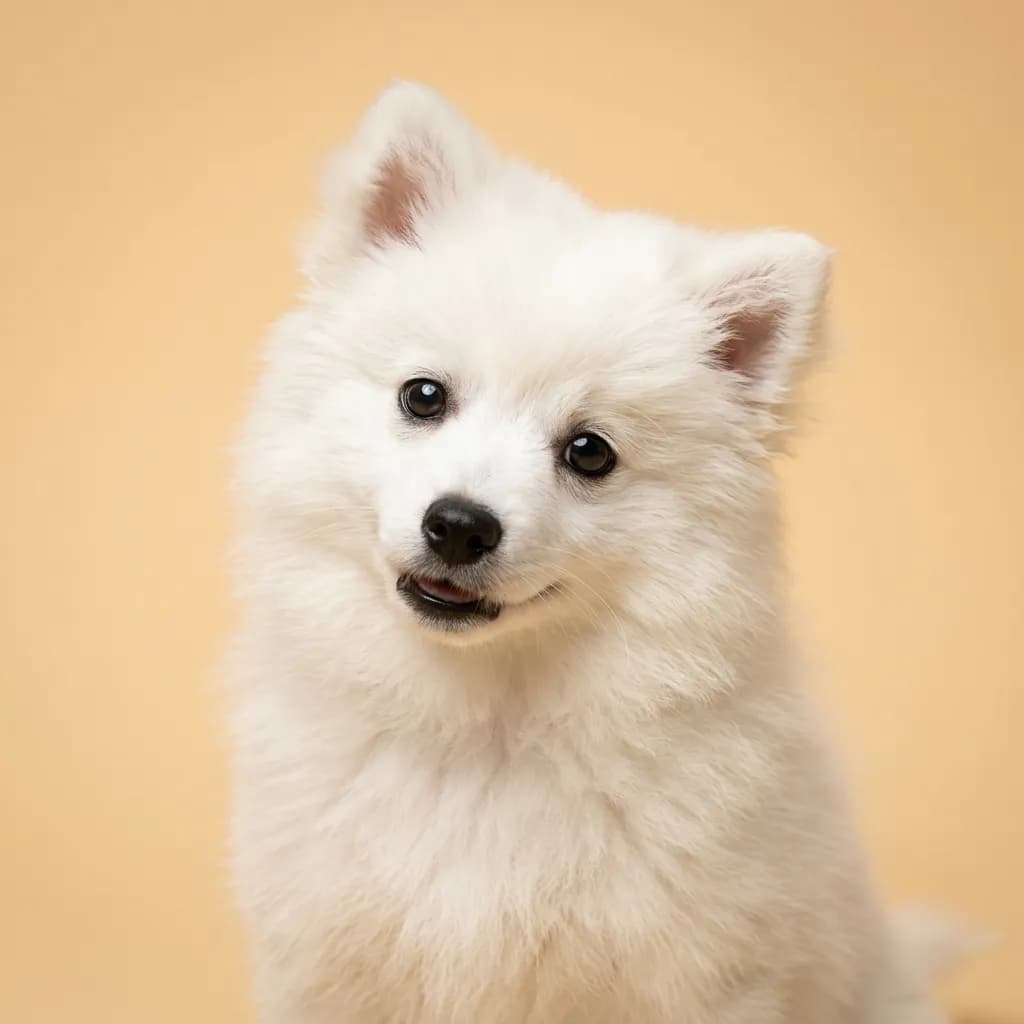
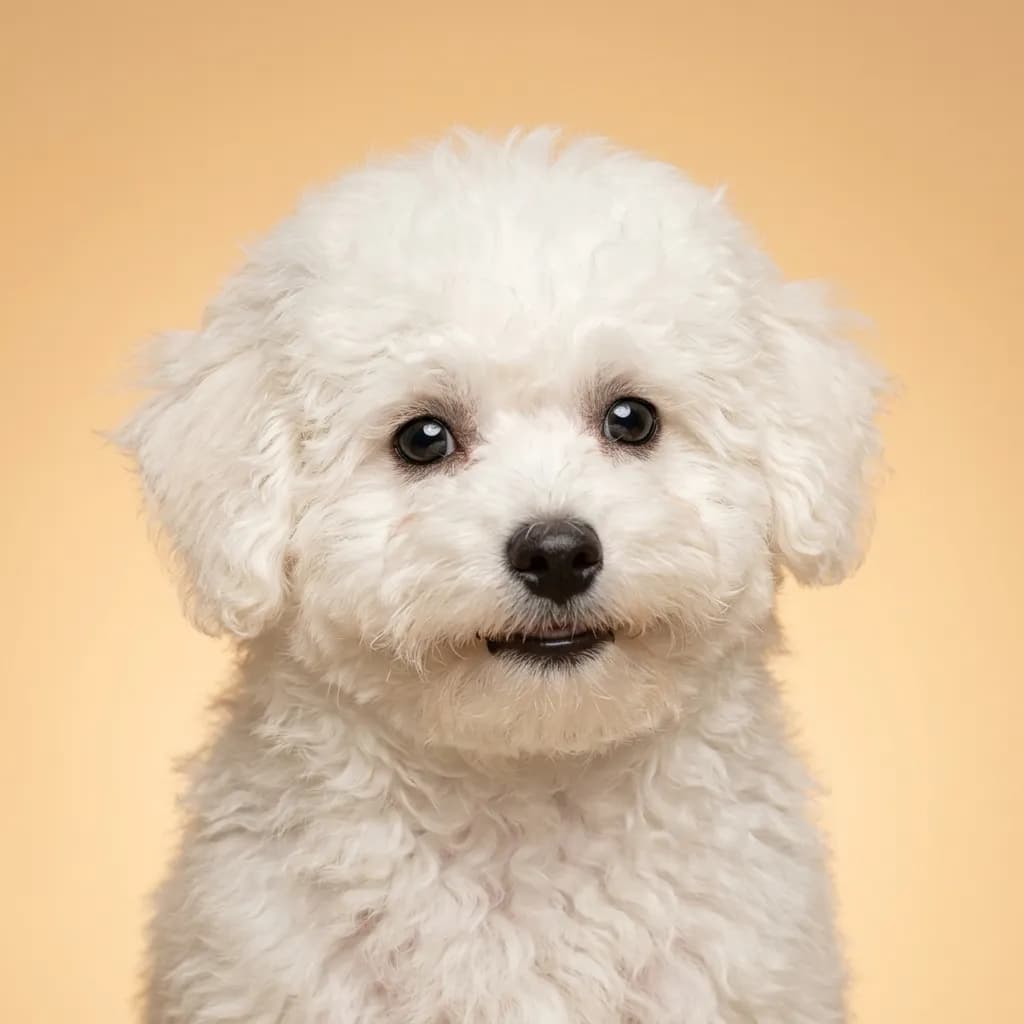
People compare the American Eskimo Dog and the Bichon Frise because they’re both small, fluffy, and look like walking cotton balls with personalities to match. They’re playful, smart, and thrive on human attention, so if you’re drawn to one, you’ll probably like the other. But the real difference comes down to what kind of fluff you’re signing up for. and what that means for your daily life. The American Eskimo is a thinker with a job to do. Bred for circus tricks and alerting families to anything suspicious, they’re sharp, confident, and full of energy. You’ll need to walk them daily and teach them new tricks regularly, or they’ll start inventing their own. usually involving your shoes or the trash can. They shed more than the Bichon, and their thick double coat turns into a snowstorm twice a year. If you live somewhere cold and you’re active, they’re fantastic. But if you’re gone a lot or hate vacuuming, think twice. The Bichon Frise is the social butterfly who never met a stranger. They don’t shed much, but their curly coat mats fast, so you’re either brushing them every other day or paying a groomer every four weeks. no in-between. They’re a bit more laid-back than Eskies, better in tiny apartments, and slightly more adaptable to a slower pace. They were literally bred to sit in a duchess’s lap and look adorable, and they still excel at it. Here’s the real talk: both breeds want to be with you constantly. But the Eskimo will follow you around to supervise your work, while the Bichon will follow you to cuddle. Pick the Eskimo if you want a bright, busy partner in adventure. Pick the Bichon if you want a cheerful, velcro companion who lives for affection.
Trait-by-trait
Higher bar = more of that trait. Shedding, barking, drooling, grooming flipped for readability.Where they diverge
Choose the American Eskimo Dog if…
- Families
- Active people
- Cold climates
- You value shedding level — American Eskimo Dog scores noticeably higher.
Choose the Bichon Frise if…
- Apartments
- Seniors
- Families
- You value good with other dogs — Bichon Frise scores higher here.