Akita vs Australian Cattle Dog
Side-by-side comparison across all 14 AKC trait ratings, with a clear verdict on which breed fits which kind of household.
Not sure which breed fits your life?
Answer five questions about your home, your schedule, and your tolerance for shedding. We’ll match you to your top three breeds from over 200.
Akita vs Australian Cattle Dog
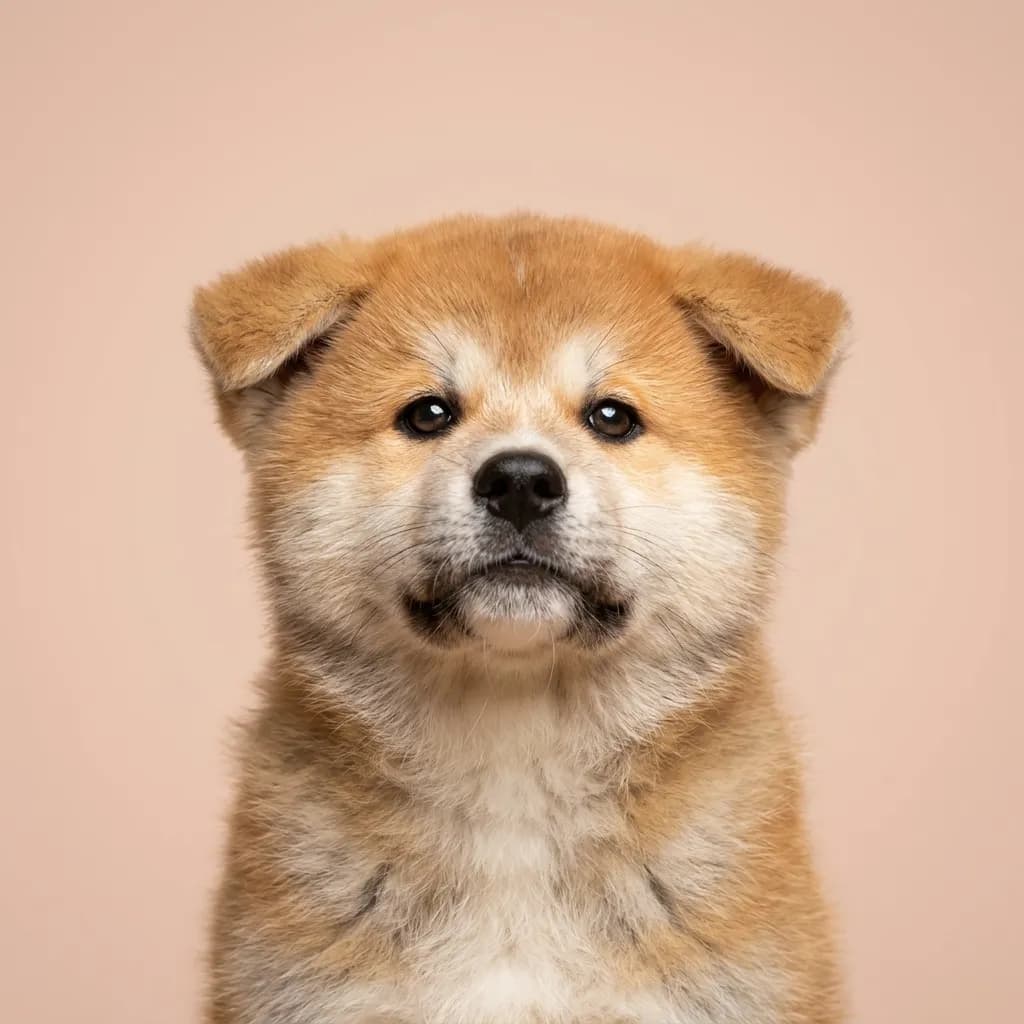
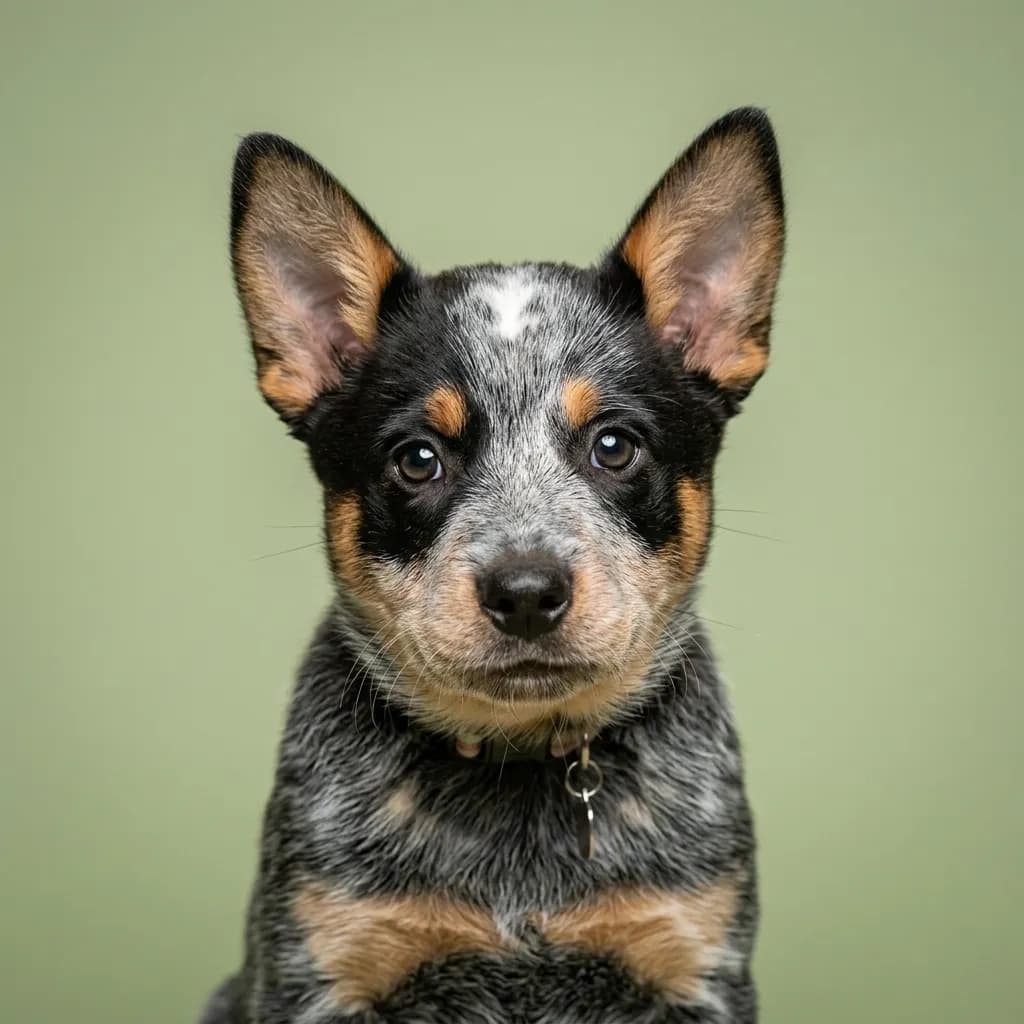
People toss Akitas and Australian Cattle Dogs into the same conversation because both are loyal, intense, and demand respect. but that’s where the similarity ends. Think of it like this: one’s a samurai warrior built for mountain silence, the other’s a tireless outback ranch hand who never clocks out. The Akita is a powerhouse, quiet and dignified, with a stare that says he’s seen things you haven’t. He bonds fiercely with one person and can be aloof or suspicious with strangers and other animals. If you’ve got a calm, structured home and experience reading dog body language, an Akita might feel like a noble companion. But if you’re raising young kids or already have pets, his independence and potential for same-sex aggression can turn into real problems. He doesn’t need constant activity, but he does need leadership. The Australian Cattle Dog, meanwhile, is all engine. This dog was bred to work 30-mile days nipping at cattle heels under the Australian sun. He’s not as big. half the weight of an Akita. but he’s got twice the urgency. Boredom is his enemy. If you hike, bike, or compete in agility, he’s your partner. But if you work 10-hour days or just want a mellow couch buddy, he’ll chew your front door off. Here’s the truth the breed standards won’t tell you: the Akita tests your patience with stubborn loyalty, but the Cattle Dog tests your lifestyle. Pick the Akita if you want a vigilant, reserved guardian who respects you like a general. Pick the Cattle Dog if you need a dog who’ll match your grind. and then ask for more. And no, neither will truly thrive with a first-time owner.
Trait-by-trait
Higher bar = more of that trait. Shedding, barking, drooling, grooming flipped for readability.Where they diverge
Choose the Akita if…
- Experienced owners
- Spacious homes
- Active people
- You value coat grooming — Akita scores noticeably higher.
Choose the Australian Cattle Dog if…
- Active people
- Outdoor enthusiasts
- Experienced owners
- You value good with other dogs — Australian Cattle Dog scores higher here.