Akita vs Bolognese
Side-by-side comparison across all 14 AKC trait ratings, with a clear verdict on which breed fits which kind of household.

Not sure which breed fits your life?
Answer five questions about your home, your schedule, and your tolerance for shedding. We’ll match you to your top three breeds from over 200.
Akita vs Bolognese
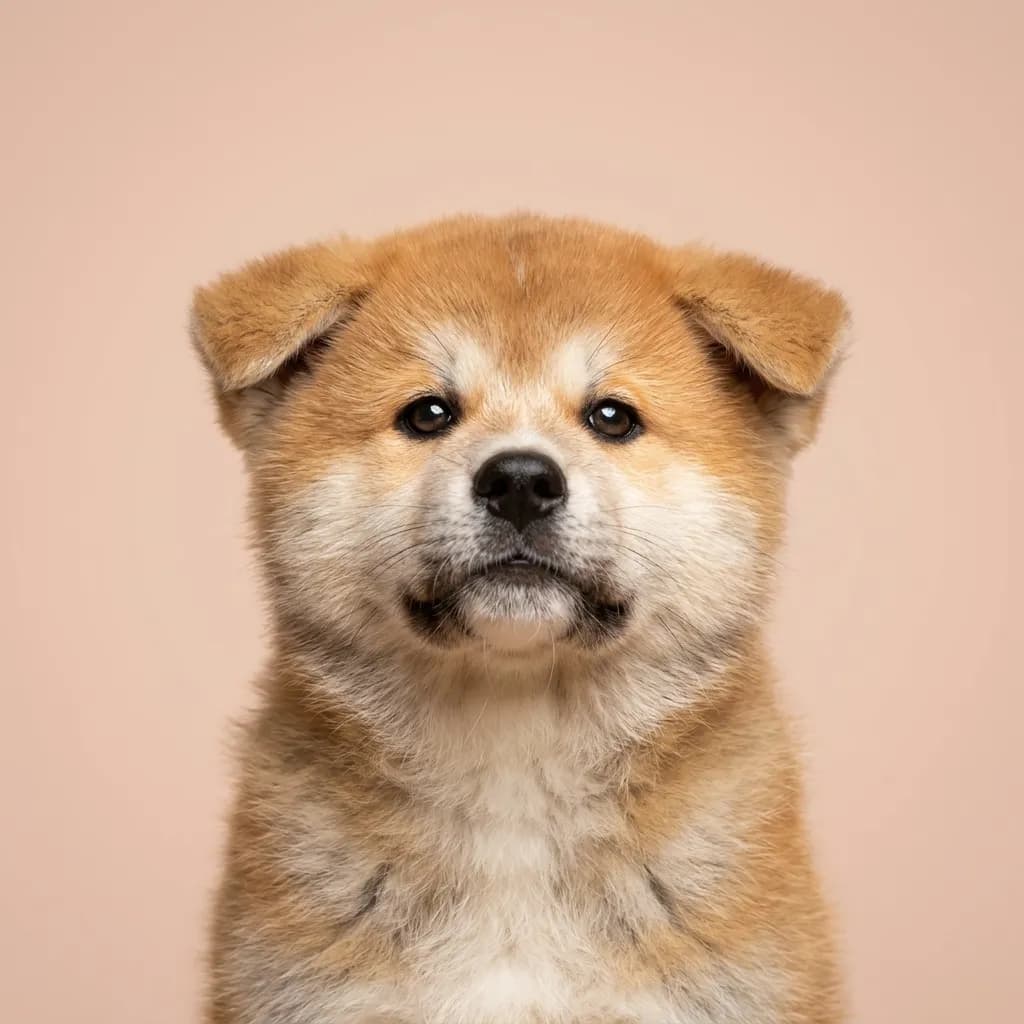
People compare Akitas and Bolognese because both are loyal and affectionate in their own ways, but that’s where the similarities end. You’re not choosing between two points on a spectrum here. You’re picking between a mountain and a cloud. The Akita is a force of nature. Bred to hunt bears in the Japanese Alps, this dog carries quiet power in every inch of its 130-pound frame. It’s not aggressive by default, but it is intensely independent, profoundly loyal to one person, and suspicious of strangers. including other dogs. You need experience to handle that kind of presence. Akitas aren’t for families with young kids or homes with existing pets. They need space, consistency, and a leader who won’t flinch. They’re not barkers, but when they do speak, you listen. The Bolognese, meanwhile, is the dog you carry in your bag through the cobblestone streets of Bologna. At nine pounds, it’s built for laps, not trails. It’s a cheerful, soft-hearted companion bred for nobility who wanted a living teddy bear that didn’t shed. It bonds deeply, hates being alone, and thrives in apartments or quiet homes where someone’s usually around. It’s not going to hike with you, but it will sit on your desk while you work from home and nap under your blanket when it’s time to relax. The real insight? Loyalty shows up in wildly different packages. The Akita protects like a sentinel. The Bolognese loves like a shadow. Pick the Akita if you want a noble guardian who demands respect. Pick the Bolognese if you want a devoted little friend who just wants to be near you. Don’t choose either if you’re looking for a dog that fits neatly into someone else’s idea of cute or convenient. These breeds are extremes. and that’s exactly why people love them.
Trait-by-trait
Higher bar = more of that trait. Shedding, barking, drooling, grooming flipped for readability.Where they diverge
Choose the Akita if…
- Experienced owners
- Spacious homes
- Active people
- You value watchdog / protective — Akita scores noticeably higher.
Choose the Bolognese if…
- Apartments
- Seniors
- Allergy sufferers
- You value affectionate w/ family — Bolognese scores higher here.