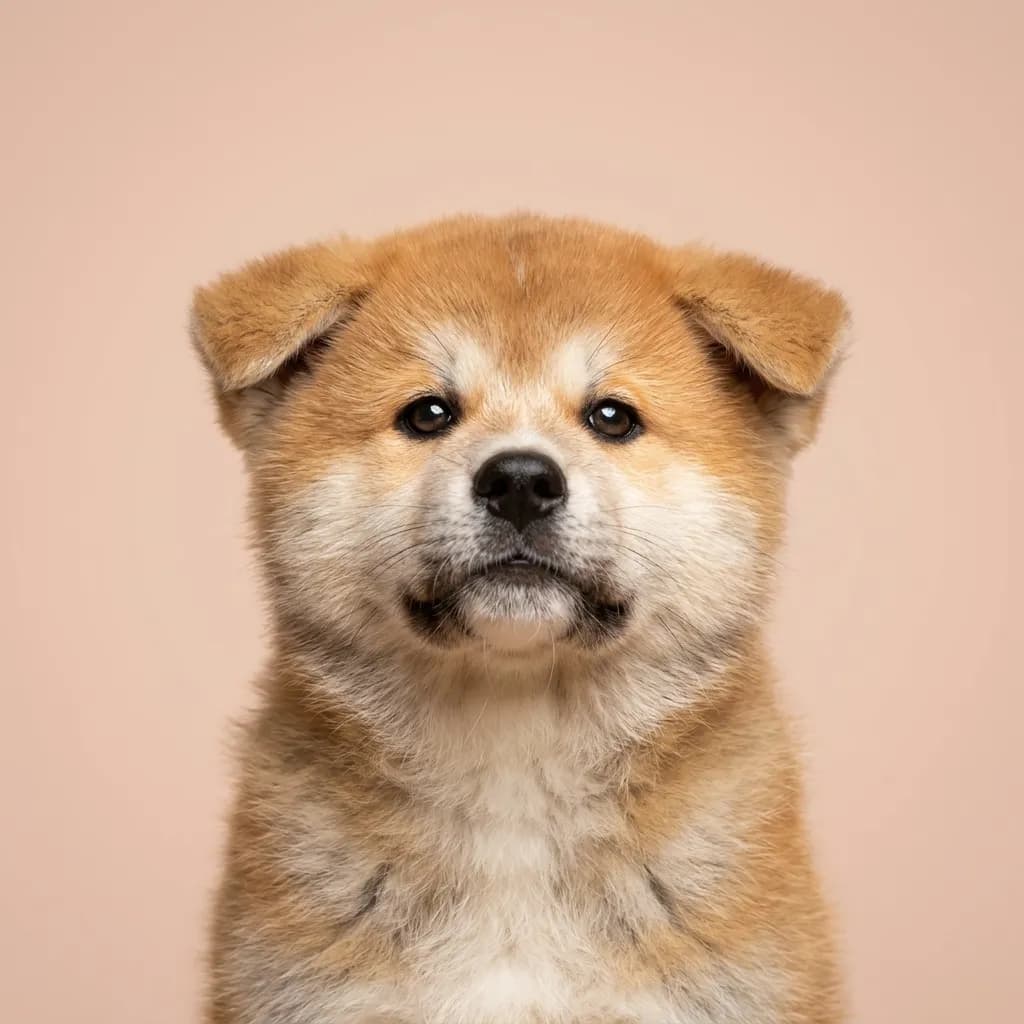
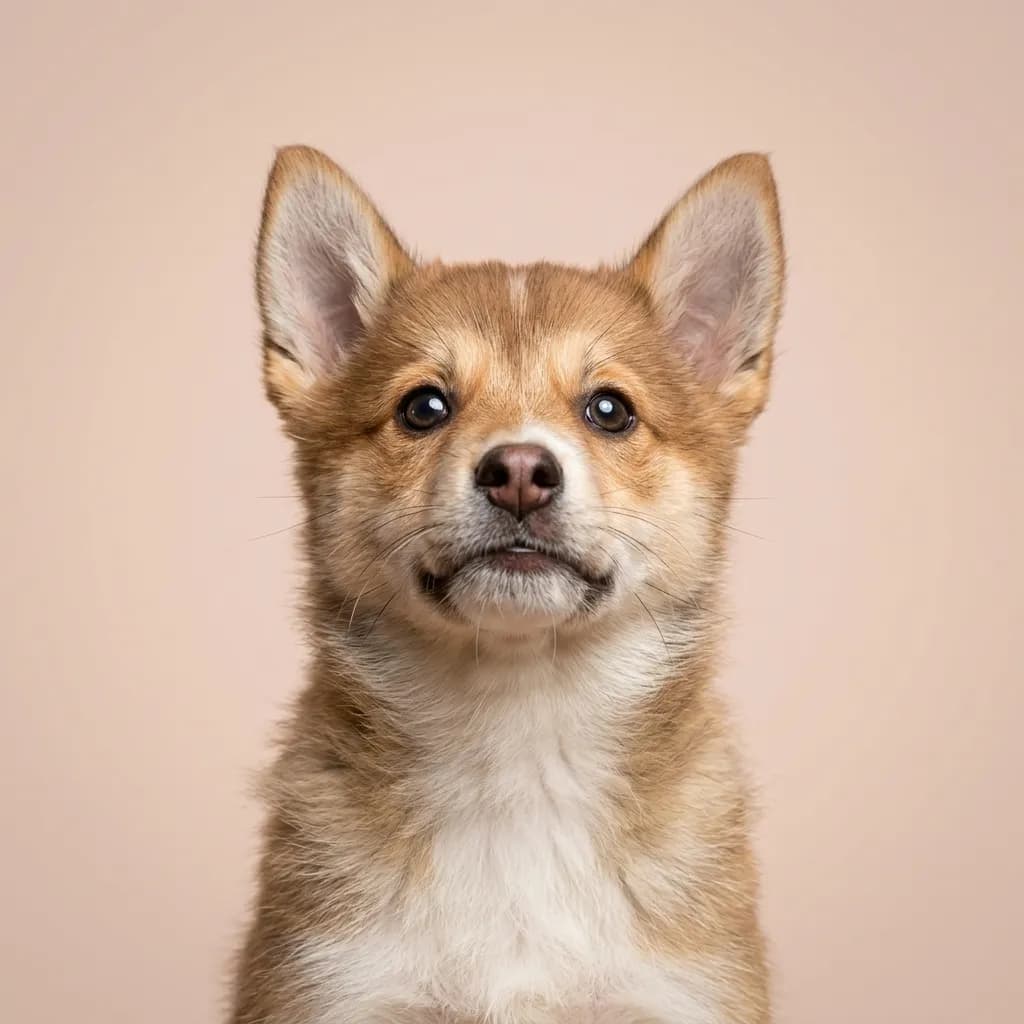
Akita vs Norwegian Lundehund
Side-by-side comparison across all 14 AKC trait ratings, with a clear verdict on which breed fits which kind of household.
Not sure which breed fits your life?
Answer five questions about your home, your schedule, and your tolerance for shedding. We’ll match you to your top three breeds from over 200.
Akita vs Norwegian Lundehund
You’re not really comparing an Akita and a Norwegian Lundehund because you’re torn between two similar dogs. You’re doing it because you’ve fallen for outliers. breeds with ancient roots, strong wills, and stories etched into their bones. One was built to face bears in the snowed-in mountains of Japan. The other scaled sheer cliffs in Norway to catch puffins, moving like a contortionist with six toes per foot and necks that bend backward. These aren’t dogs you stumble into. You seek them out. The Akita is a fortress of loyalty. Big, imposing, emotionally reserved unless you’ve earned it, and fiercely protective. They bond deeply with one person and tolerate the rest of the household. If you’re a first-time owner or live in a small apartment with a busy schedule, this isn’t your dog. They demand space, consistency, and someone who understands that their silence isn’t submission. it’s assessment. They’re not untrainable, but they negotiate. And yes, they shed. expect tumbleweeds of fur. The Lundehund is a puzzle wrapped in fur. Smaller, yes, but don’t mistake size for simplicity. They’re clever, agile, and stubborn in a quiet, determined way. Their health is the real dealbreaker: Lundehund syndrome means lifelong dietary management and vet vigilance. But if you want a dog that turns heads and thrives on mental puzzles, cold hikes, and quiet companionship, they’re magical. Pick the Akita if you want a stoic guardian and lead a structured, active life. Pick the Lundehund if you’re drawn to rare, ancient lines and don’t mind being a steward of a fragile breed’s future. The real insight? Both demand respect, not just training. They’re not pets. They’re partnerships.
Trait-by-trait
Higher bar = more of that trait. Shedding, barking, drooling, grooming flipped for readability.Where they diverge
Choose the Akita if…
- Experienced owners
- Spacious homes
- Active people
- You value watchdog / protective — Akita scores noticeably higher.
Choose the Norwegian Lundehund if…
- Experienced dog owners
- Those interested in rare breeds
- Active families
- You value good with other dogs — Norwegian Lundehund scores higher here.