Alaskan Malamute vs Belgian Laekenois
Side-by-side comparison across all 14 AKC trait ratings, with a clear verdict on which breed fits which kind of household.

Not sure which breed fits your life?
Answer five questions about your home, your schedule, and your tolerance for shedding. We’ll match you to your top three breeds from over 200.
Alaskan Malamute vs Belgian Laekenois
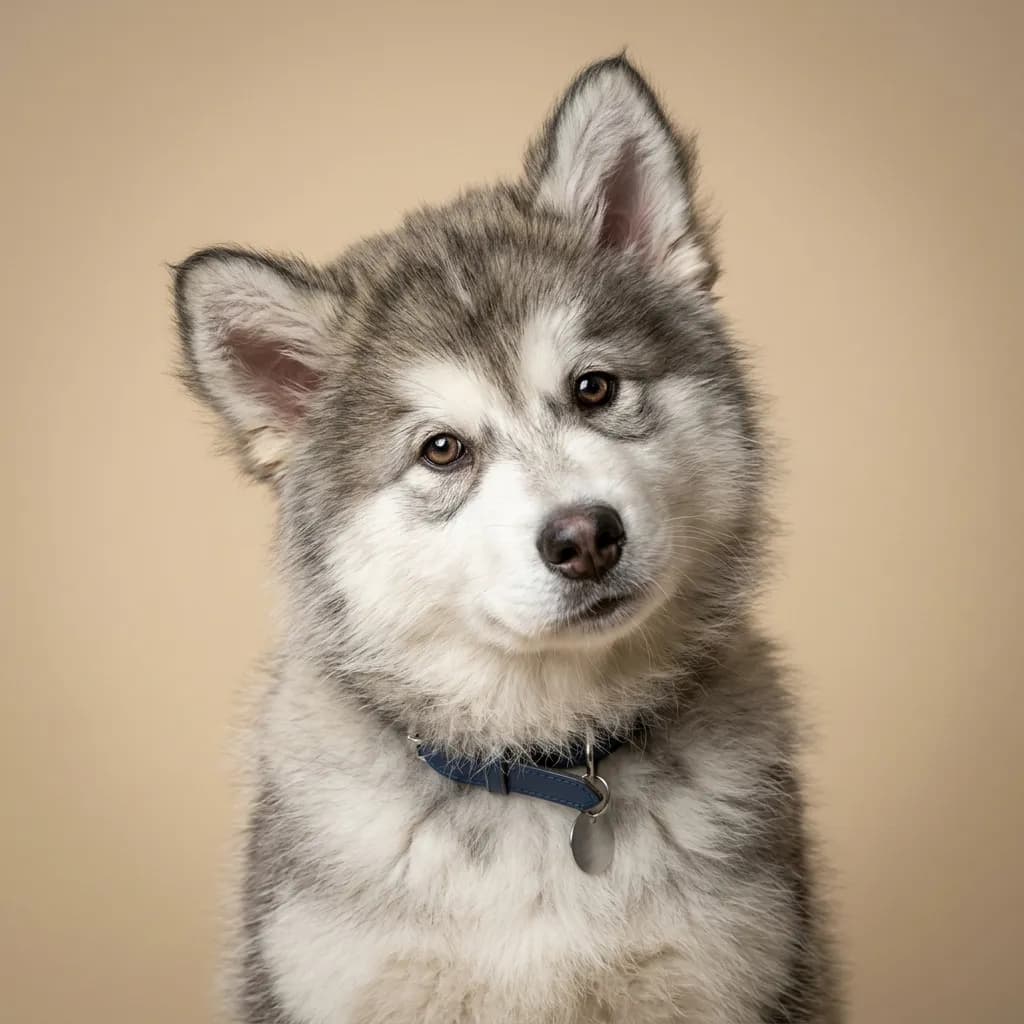
You’re not comparing these two because they look alike. one’s a fluffy Arctic freight train, the other a rugged, wiry-coated herder with a beard that looks like it’s seen a few storms. You’re comparing them because you want a powerful, intelligent dog that can keep up with an active life and won’t fold under pressure. But that’s where the similarity ends. The Alaskan Malamute pulls from a lineage of brute strength and endurance. This dog was built to haul 1,000-pound loads across frozen tundra, not because it had to, but because it wanted to. You’ll get loyalty and affection, sure, but it’s the kind that comes with a strong will. They’re not high-strung, but they are strong-willed, and their idea of mental stimulation might be redesigning your backyard fence. If you live somewhere hot or expect weekend couch cuddles to be the highlight of its day, you’ll be miserable. They thrive in cold climates and with owners who understand pack leadership. The Belgian Laekenois, meanwhile, is the thinking person’s working dog. Lesser known than its Belgian cousins, this breed was guarding laundry in 19th-century Belgium. yes, really. but don’t let the odd resume fool you. It’s sharp, intensely alert, and thrives on complex tasks. It bonds deeply, maybe more so than the Malamute, and will shadow you with quiet intensity. It needs a job, even if that job is agility, tracking, or advanced obedience. Here’s the real difference: Malamutes pull with their body; Laekenois work with their mind. If you want a loyal companion who’s content with long hikes and cold weather, go Malamute. If you want a dog that lives for problem-solving and partnership, and you’ve got experience reading canine nuance, the Laekenois will astonish you. Just don’t expect either to tolerate a boring life.
Trait-by-trait
Higher bar = more of that trait. Shedding, barking, drooling, grooming flipped for readability.Where they diverge
Choose the Alaskan Malamute if…
- Active people
- Cold climates
- Experienced owners
- You value coat grooming — Alaskan Malamute scores noticeably higher.
Choose the Belgian Laekenois if…
- Experienced owners
- Active people
- Working roles
- You value mental stimulation needs — Belgian Laekenois scores higher here.