Alaskan Malamute vs Keeshond
Side-by-side comparison across all 14 AKC trait ratings, with a clear verdict on which breed fits which kind of household.
Not sure which breed fits your life?
Answer five questions about your home, your schedule, and your tolerance for shedding. We’ll match you to your top three breeds from over 200.
Alaskan Malamute vs Keeshond
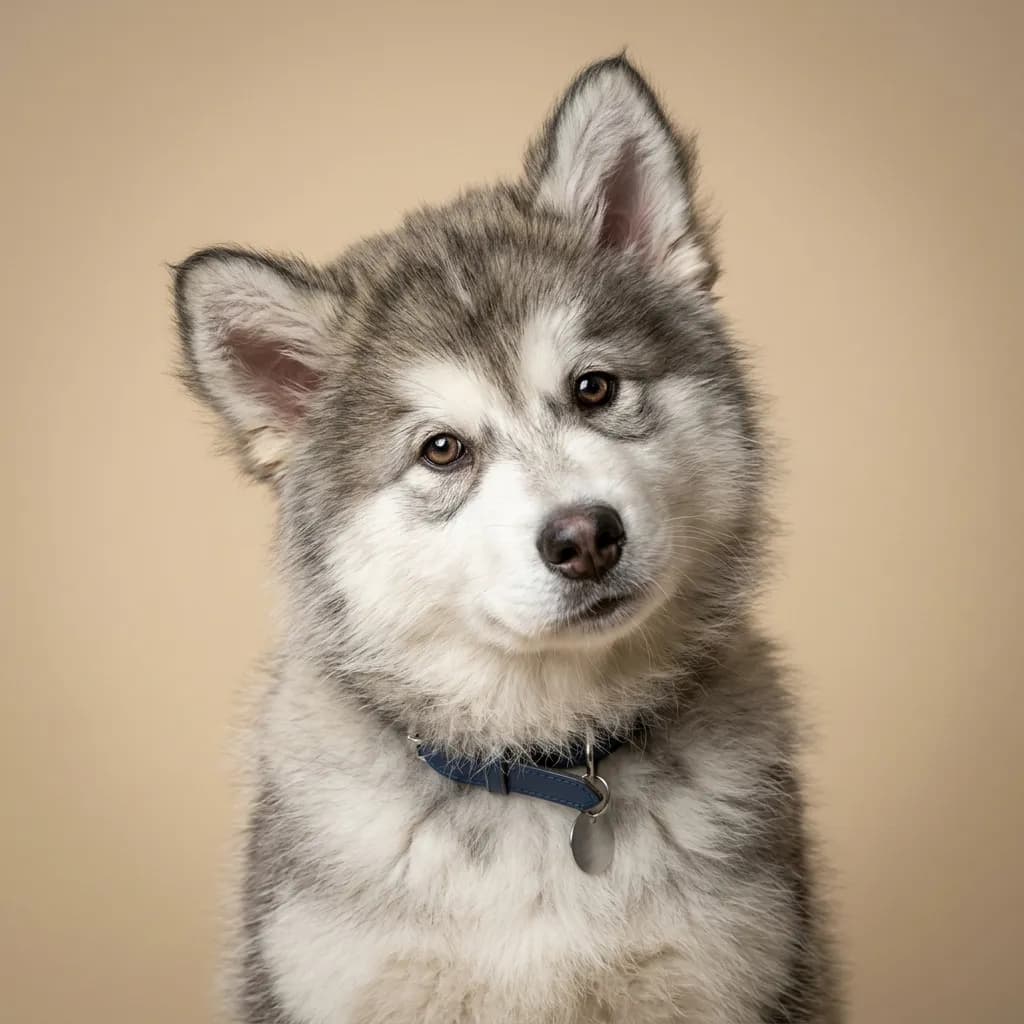
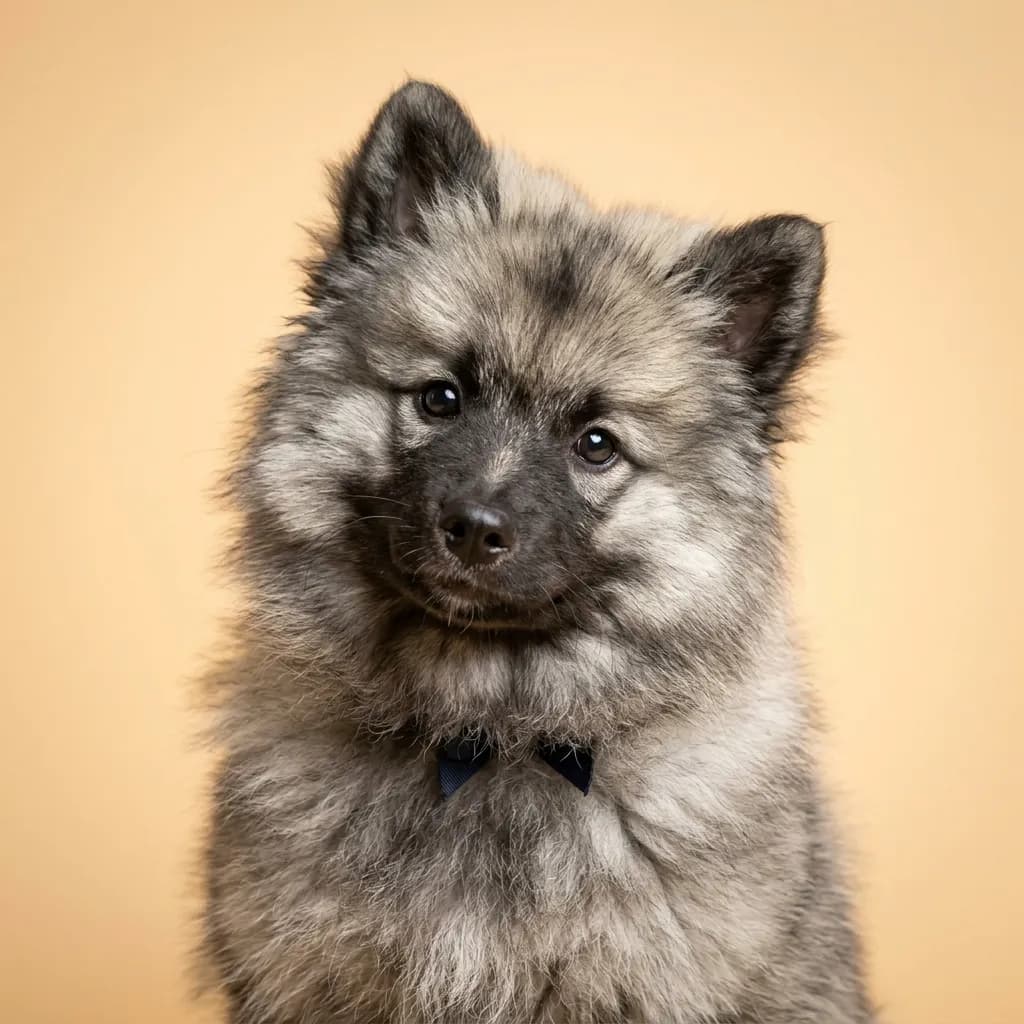
People compare Malamutes and Keeshonden because they look like cousins from a distance. fluffy, curled tails, expressive eyes, that classic "smiling" face. But bring one home and you’ll quickly realize they’re built for entirely different lives. The Malamute is a freight train of muscle bred to pull heavy sleds across Arctic ice. They’re big, powerful dogs that need space, cold weather, and serious exercise. You’re not just walking this dog, you’re planning daily adventures that burn real energy. They’re loyal and affectionate, but their independence can frustrate first-time owners. They’re not apartment dogs. They’re not city dogs. They’re northern expedition partners. The Keeshond, meanwhile, is the friendly neighborhood watchman with a heart of gold. Bred on Dutch barges, they’re alert, chatty, and deeply bonded to their people. They’ll bark at the mail carrier, sure, but they’ll also cuddle with your kids and adapt seamlessly to suburban or even modest urban living. so long as you don’t mind the twice-yearly fur explosion. They’re easier to train not because they’re smarter, but because they live to please. If you’re active with outdoor space in a cold climate, the Malamute might fulfill your wilderness fantasy. But be honest: can you meet their physical and mental needs without resentment? Most people can’t. The Keeshond wins with families and first-time owners not because they’re “lesser,” but because they fit real life better. Here’s the truth the breeders won’t tell you: Malamutes are often rehomed not because they’re bad dogs, but because their owners underestimated the sheer scale of their needs. The Keeshond? They’ll fit your life. The Malamute will demand you rebuild yours.
Trait-by-trait
Higher bar = more of that trait. Shedding, barking, drooling, grooming flipped for readability.Where they diverge
Choose the Alaskan Malamute if…
- Active people
- Cold climates
- Experienced owners
Choose the Keeshond if…
- Families with children
- Active owners
- Cold climates
- You value affectionate w/ family — Keeshond scores higher here.