Alaskan Malamute vs Kishu Ken
Side-by-side comparison across all 14 AKC trait ratings, with a clear verdict on which breed fits which kind of household.
Not sure which breed fits your life?
Answer five questions about your home, your schedule, and your tolerance for shedding. We’ll match you to your top three breeds from over 200.
Alaskan Malamute vs Kishu Ken
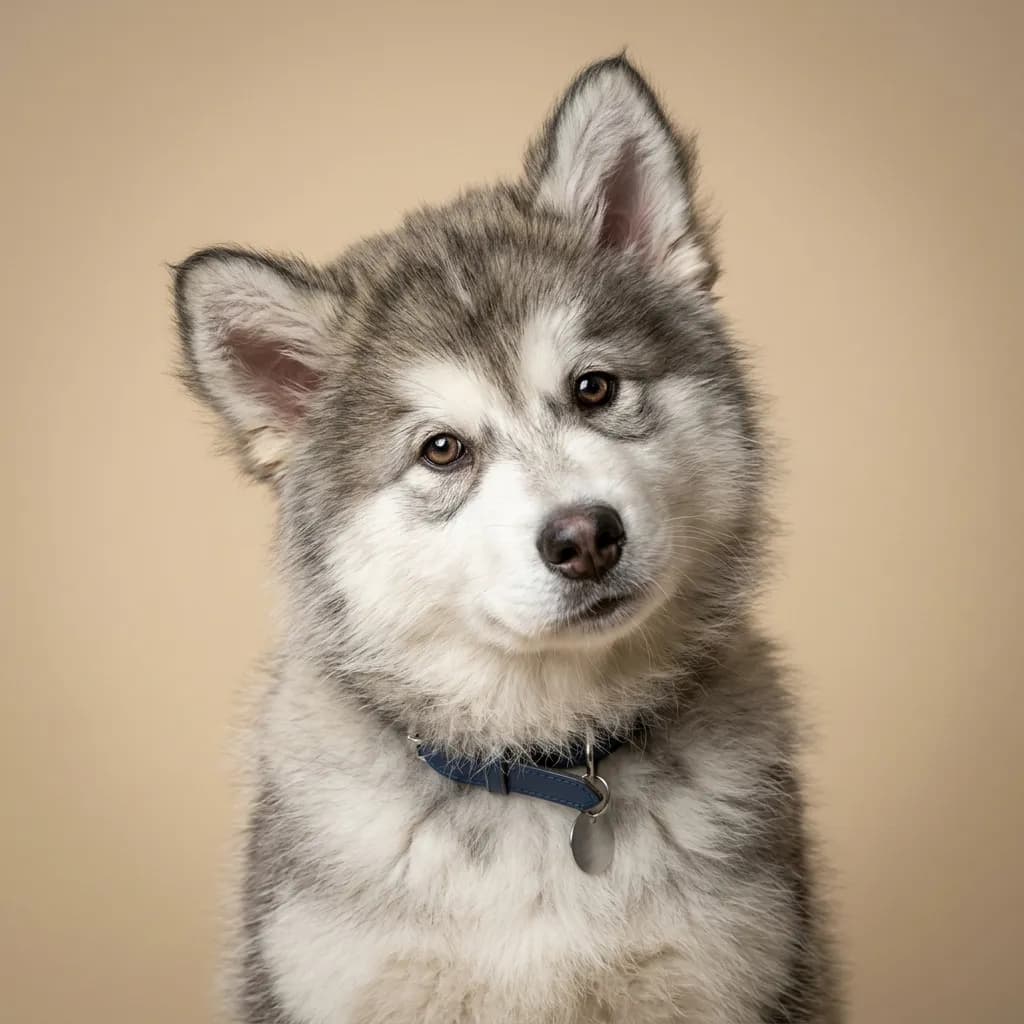
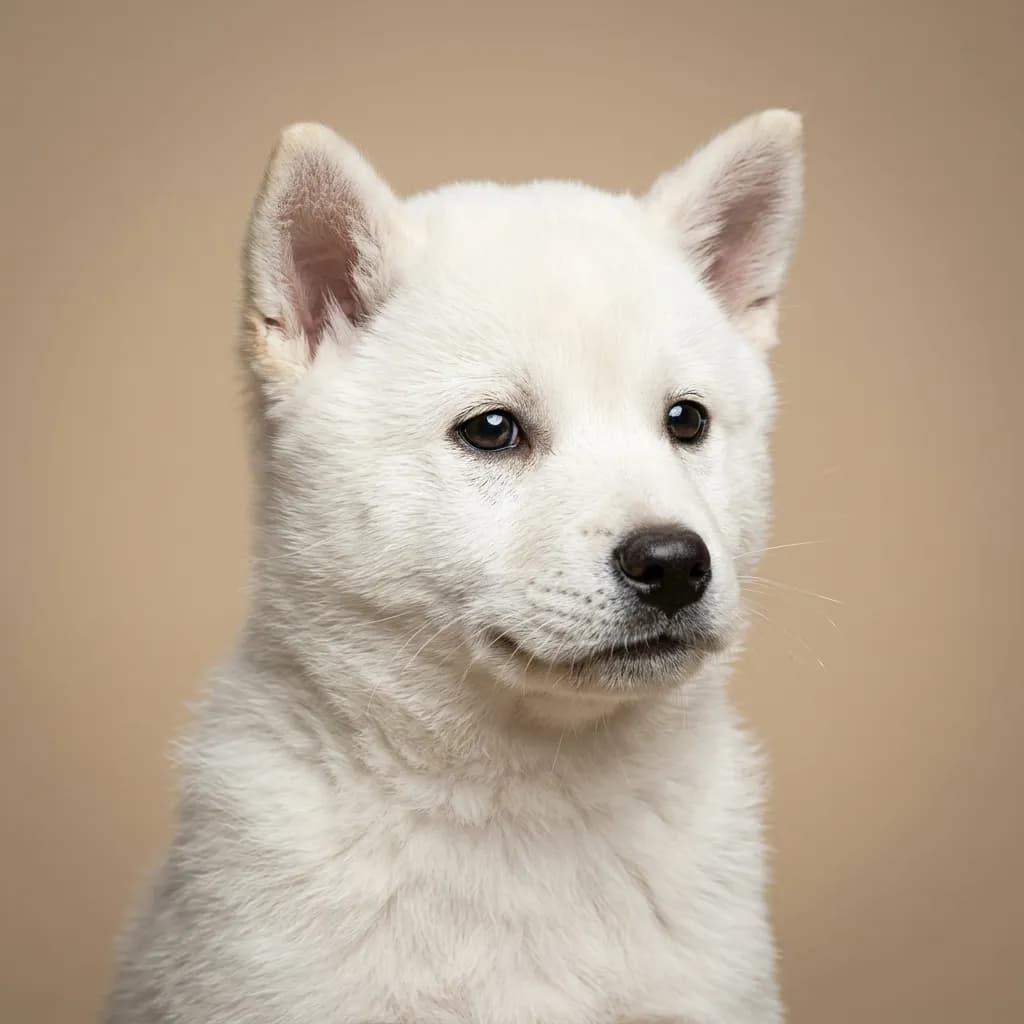
People compare the Alaskan Malamute and Kishu Ken because both are ancient, powerful breeds built for rugged climates and strong-willed jobs. But that’s where the similarities end. If you're picturing a dog to pull sleds through snowdrifts while acting as the family’s gentle giant, the Malamute fits that bill. They’re outgoing, love to play, and will flop into your lap like a 90-pound toddler. But don’t be fooled. they were bred to haul heavy loads across frozen tundra, so they need serious outdoor activity and cold weather to thrive. You’ll need space, time, and a tolerance for shedding that turns your black sweater into a fur coat. The Kishu Ken, on the other hand, is a quiet ghost in dog form. Bred to stalk deer in the dense forests of Japan, they’re alert, independent, and intensely focused. They bond deeply with one or two people and can be wary of strangers. both human and animal. That makes them a poor fit for homes with cats or small dogs unless raised together. They don’t bark much, which is rare for a hunting breed, but their mental drive is high. They need puzzles, tracking work, or structured activities to stay balanced. Here’s the real difference most people miss: Malamutes want to be part of the pack, always. Kishus want to lead it. If you’re a first-time owner wanting a friendly, family-oriented dog, the Malamute. despite its energy. is more approachable. But if you’re an experienced handler looking for a loyal, watchful partner in a rural setting, the Kishu’s quiet intensity will win you over. Just know this: neither tolerates heat well, and both demand respect, not just obedience. Choose based on who you are, not just what you want.
Trait-by-trait
Higher bar = more of that trait. Shedding, barking, drooling, grooming flipped for readability.Where they diverge
Choose the Alaskan Malamute if…
- Active people
- Cold climates
- Experienced owners
- You value coat grooming — Alaskan Malamute scores noticeably higher.
Choose the Kishu Ken if…
- Experienced dog owners
- Active owners
- Cold climates
- You value good with strangers — Kishu Ken scores higher here.