Alaskan Malamute vs Newfoundland
Side-by-side comparison across all 14 AKC trait ratings, with a clear verdict on which breed fits which kind of household.
Not sure which breed fits your life?
Answer five questions about your home, your schedule, and your tolerance for shedding. We’ll match you to your top three breeds from over 200.
Alaskan Malamute vs Newfoundland
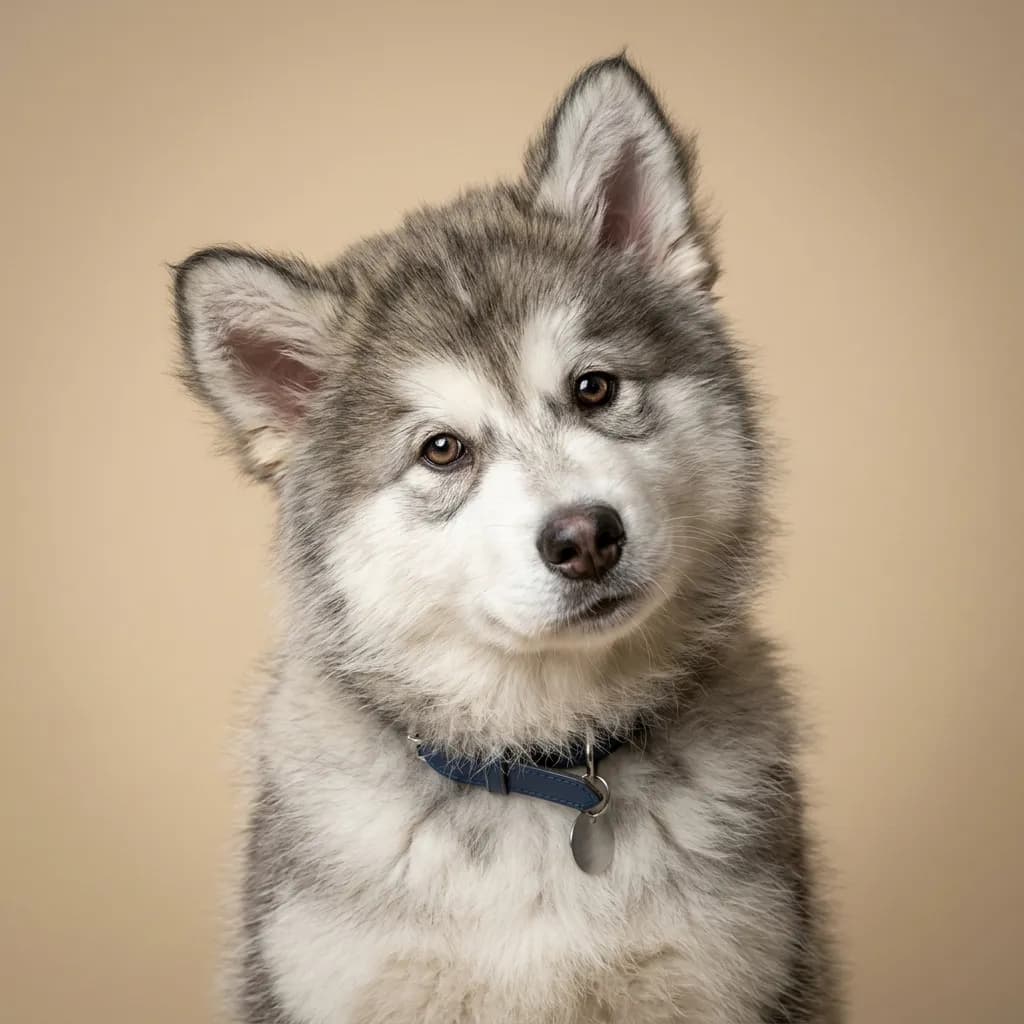
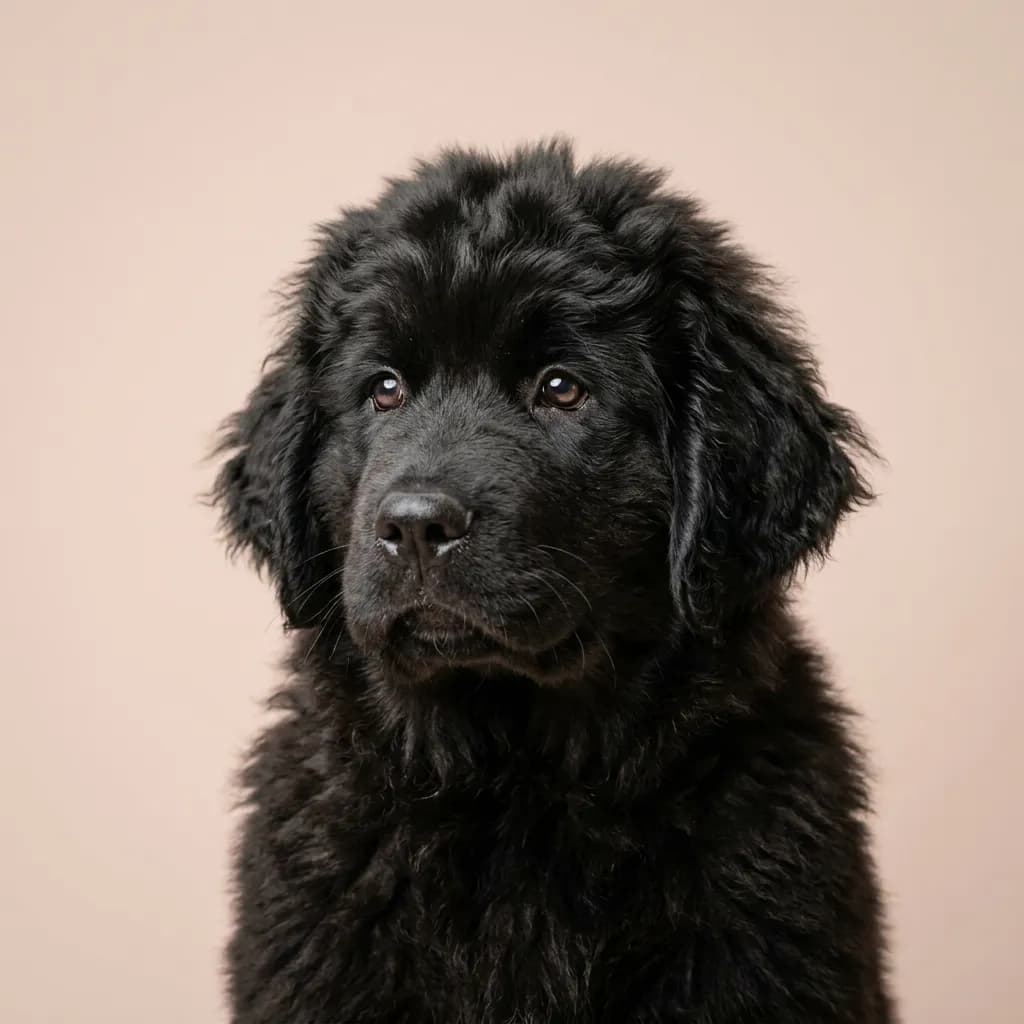
People toss these two breeds into the same bucket because they’re big, fluffy, and built for cold. like walking teddy bears with jobs. But if you’re choosing between an Alaskan Malamute and a Newfoundland, you’re really choosing between a snowmobile with a heartbeat and a warm hug on a tank. That difference matters more than you think. Malamutes were built to pull heavy sleds across frozen tundra. They’re powerful, driven, and need serious physical and mental work. You’ll need daily long hikes, winter romps in deep snow, and constant engagement. They’re loyal and affectionate but on their own terms. They’re not for someone who wants a laid-back couch companion. And despite their friendly looks, they can be stubborn; training takes patience and consistency. If you live somewhere warm or don’t have a yard, you’ll struggle. Newfoundlands, on the other hand, are gentle giants bred to rescue people from icy waters. They’re calm, deeply affectionate, and bond tightly with families. especially kids. They’re not lazy, but their energy is steady, not explosive. They’ll swim for hours, then settle at your feet. They adapt better to different living situations as long as they get moderate exercise. But let’s be real: the drool, the shedding, and the risk of bloat mean you’ll need a vet you trust and towels everywhere. Here’s the thing no one talks about: Malamutes are escape artists with a prey drive. Newfoundlands will eat your couch if left alone too long. Choose based on your lifestyle, not just the fluff. If you’re active and outdoorsy, go Malamute. If you want a patient, loving family anchor, the Newfoundland’s your dog.
Trait-by-trait
Higher bar = more of that trait. Shedding, barking, drooling, grooming flipped for readability.Where they diverge
Choose the Alaskan Malamute if…
- Active people
- Cold climates
- Experienced owners
- You value trainability — Alaskan Malamute scores noticeably higher.
Choose the Newfoundland if…
- Families with children
- Water and outdoor enthusiasts
- Those wanting a gentle giant
- You value drooling level — Newfoundland scores higher here.