Alaskan Malamute vs Papillon
Side-by-side comparison across all 14 AKC trait ratings, with a clear verdict on which breed fits which kind of household.
Not sure which breed fits your life?
Answer five questions about your home, your schedule, and your tolerance for shedding. We’ll match you to your top three breeds from over 200.
Alaskan Malamute vs Papillon
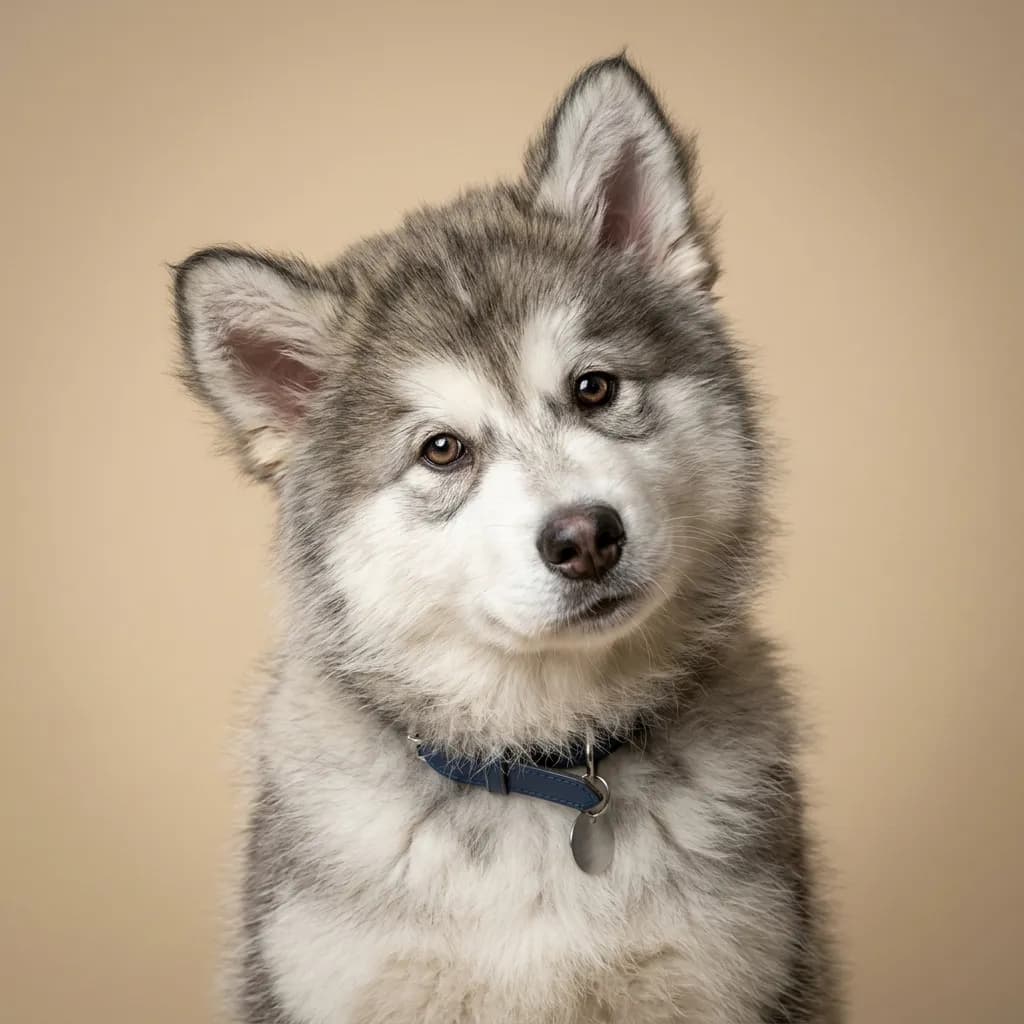
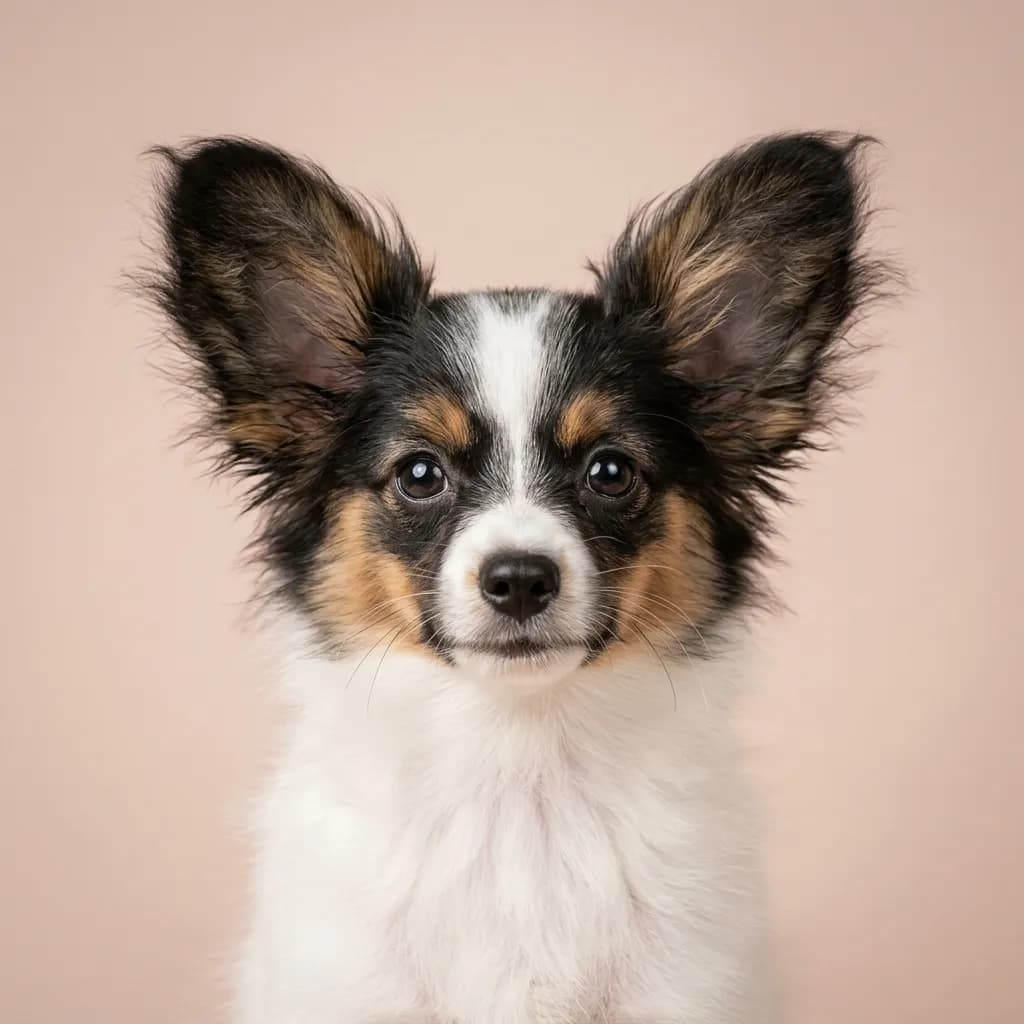
You’d never think someone would compare a snow-loving sled dog built like a linebacker to a tiny butterfly-eared charmer bred for royal laps. But here’s the real talk. both are high-energy, brainy dogs that thrive on being part of the action. People compare them not because they’re similar, but because they’re both intense in their own ways. One pulls freight across frozen tundra, the other wins agility titles before breakfast. That shared spark of drive is what trips folks up. The Malamute is a force of nature. At 80 pounds of thick-coated muscle, it’s built for subzero hauls and needs space, cold weather, and a job. You’ll get deep loyalty and goofy affection, but don’t expect obedience on a dime. they’re independent thinkers, not biddable huskies. They’re not ideal for city living or hot climates. Your yard better be escape-proof and snow-friendly. And yes, they shed. A lot. Think tumbleweeds of fur in spring. The Papillon is its opposite in size but equal in spirit. Ten pounds, max. But this dog is always on, always watching, always ready to learn. They’re fearless around older kids and adapt to apartments like pros, but they will bark at the mailman, the squirrel, and that leaf that just moved. They bond hard and want to be involved in everything. But their fragility means toddlers can accidentally hurt them. Here’s the insight no one talks about: both breeds suffer if bored. A Malamute with nothing to do will dig your garden into a lunar landscape. A Papillon with no mental challenge becomes a neurotic little siren. The real match isn’t about size or climate. it’s about how much time you’ll invest daily in engagement. Pick the Malamute if you’re outdoorsy and experienced. Pick the Papillon if you want a pocket-sized dynamo that lives for puzzles and praise. Either way, you’re signing up for a dog that needs purpose.
Trait-by-trait
Higher bar = more of that trait. Shedding, barking, drooling, grooming flipped for readability.Where they diverge
Choose the Alaskan Malamute if…
- Active people
- Cold climates
- Experienced owners
- You value coat grooming — Alaskan Malamute scores noticeably higher.
Choose the Papillon if…
- Apartment living
- Active owners
- Families with older children
- You value affectionate w/ family — Papillon scores higher here.