Alaskan Malamute vs Samoyed
Side-by-side comparison across all 14 AKC trait ratings, with a clear verdict on which breed fits which kind of household.
Not sure which breed fits your life?
Answer five questions about your home, your schedule, and your tolerance for shedding. We’ll match you to your top three breeds from over 200.
Alaskan Malamute vs Samoyed
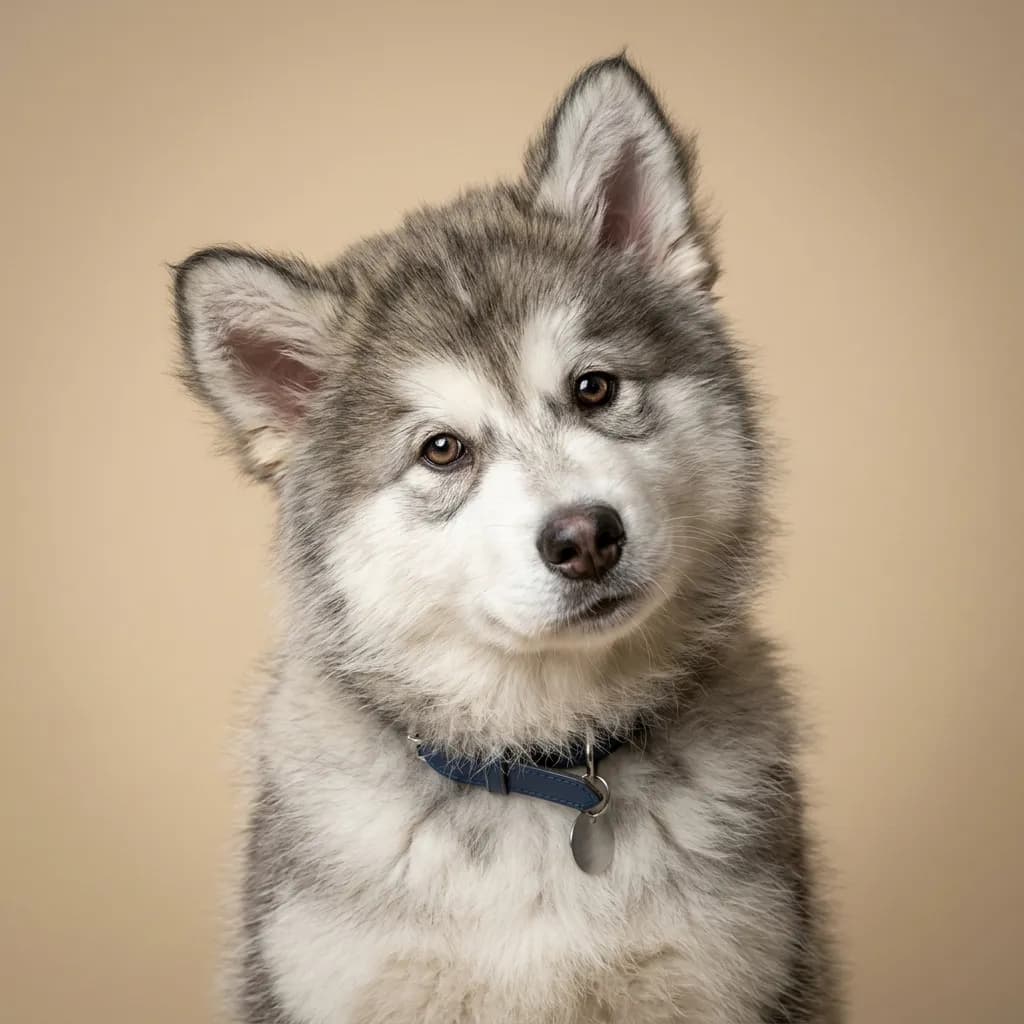
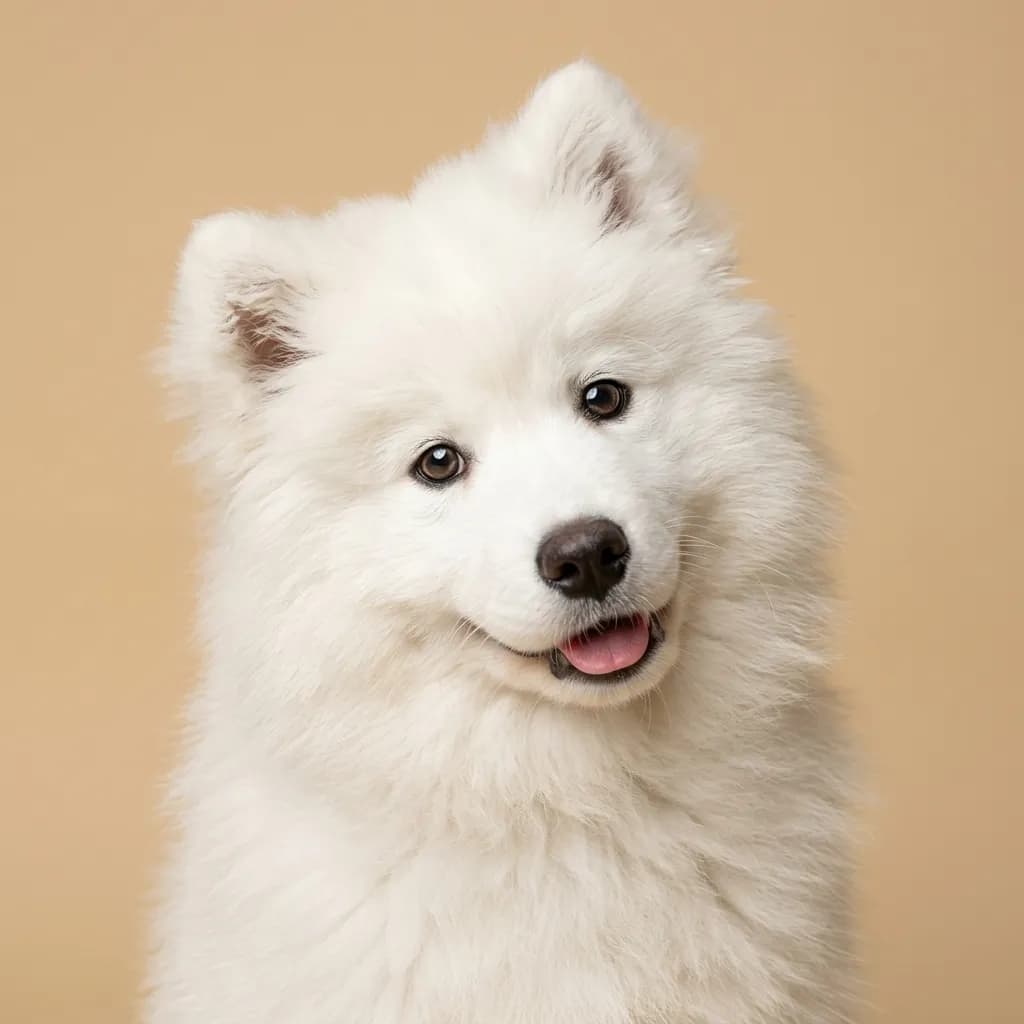
People compare Alaskan Malamutes and Samoyeds because they look the part of the ultimate winter dog. fluffy, smiling, built for snow. Both are working dogs with thick double coats and friendly eyes, so if you're dreaming of a dog sled team or a picturesque family hike through a snowy landscape, these two come up fast. But looks are where the similarities end. The Malamute is the powerhouse. Think draft horse in dog form. At 75 to 85 pounds, they were bred to pull heavy loads across frozen tundra, not sprint or show off tricks. They're loyal and affectionate with their people, but they're also stubborn and strong-willed. You need experience to handle their muscle and mindset. They’re not barkers, but they will howl, and their energy needs aren't met by a walk around the block. If you're not hiking, skijoring, or giving them serious jobs, a Malamute will find one. like digging your garden into a tundra replica. Samoyeds are lighter, cheerier, and more adaptable. They weigh less, do better in a range of active home environments, and actually enjoy pleasing their people. They’re known for their "smile" and they mean it. they’re social, kid-friendly, and thrive on interaction. But here’s the real talk: they talk. They bark. A lot. If you live in a quiet neighborhood or value silence, this isn’t the dog. And while both breeds shed like it’s their job, the Samoyed’s constant vocalization is what sneaks up on owners. Pick a Malamute if you’ve got space, strength, and experience. and live where it’s cold. Choose a Samoyed if you want a family-friendly, energetic companion who’s sociable but will keep you awake with nightly serenades. The truth no one mentions? Neither one does well alone. Both demand company, activity, and cold weather. But the Samoyed will chat your ear off while the Malamute just stares at you like you’re not doing enough.
Trait-by-trait
Higher bar = more of that trait. Shedding, barking, drooling, grooming flipped for readability.Where they diverge
Choose the Alaskan Malamute if…
- Active people
- Cold climates
- Experienced owners
- You value trainability — Alaskan Malamute scores noticeably higher.
Choose the Samoyed if…
- Active families
- Cold climate households
- Dog sports enthusiasts
- You value affectionate w/ family — Samoyed scores higher here.