American Bulldog vs Australian Shepherd
Side-by-side comparison across all 14 AKC trait ratings, with a clear verdict on which breed fits which kind of household.
Not sure which breed fits your life?
Answer five questions about your home, your schedule, and your tolerance for shedding. We’ll match you to your top three breeds from over 200.
American Bulldog vs Australian Shepherd
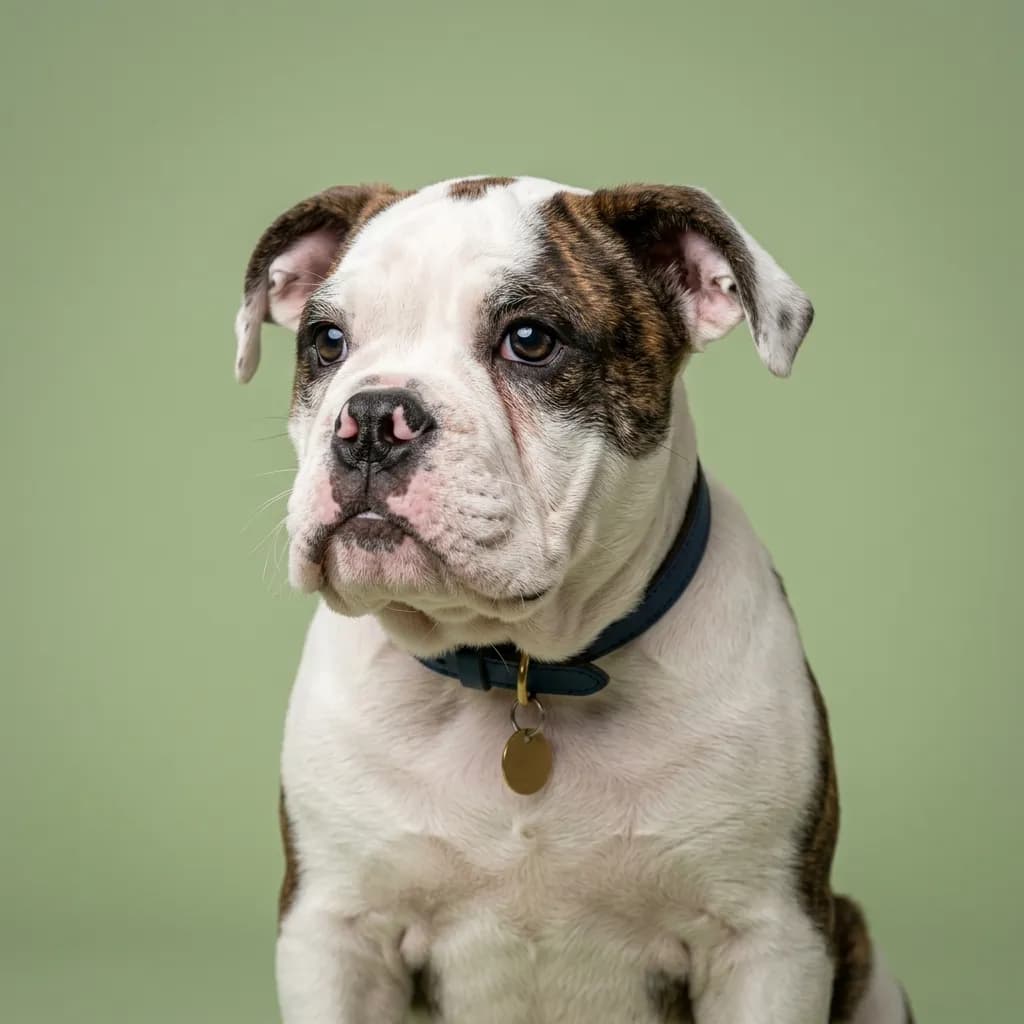
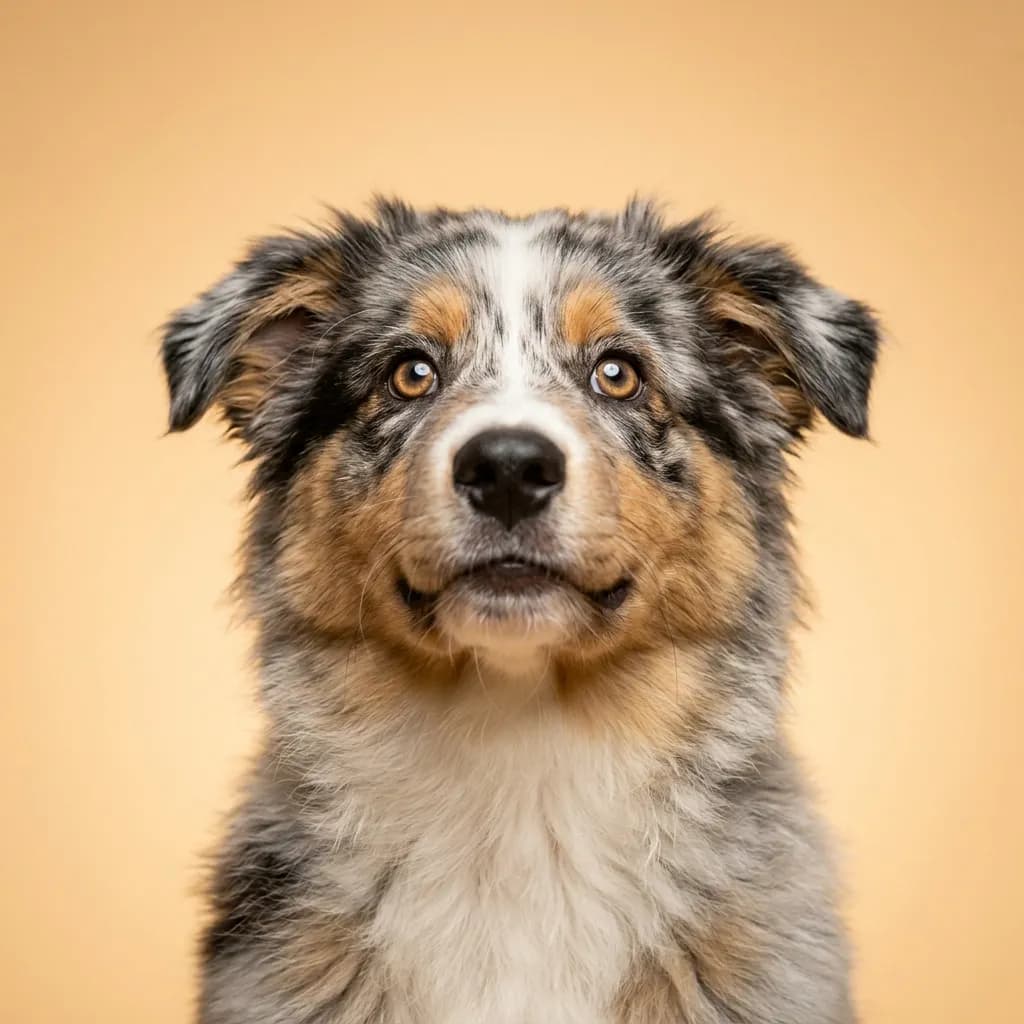
People compare American Bulldogs and Australian Shepherds because both are loyal, working dogs that thrive with a job to do. But that’s where the similarity ends. If you’re torn between them, you’re really asking: do you want a steadfast guardian or a nonstop partner in motion? The American Bulldog is the calm bouncer of the dog world. At 80 to 100 pounds of muscle, it’s built like a tank but bonds like a teddy bear. It’s not hyper, doesn’t bark much, and would rather nap on your porch than sprint laps. But don’t be fooled by the chill. it’s alert, confident, and will protect your family without being told. It’s a dog for someone who wants presence, loyalty, and low-key energy. Just know it can be stubborn, needs early training, and isn’t great in small spaces. The Australian Shepherd is the opposite. Lean, intense, and wired with energy, it lives to work. Bred to herd cattle all day, it needs mental and physical challenges or it’ll invent its own jobs. like shredding your couch. It’s smarter, more vocal, and more involved with kids, but it’s not the cuddly lap dog type. This dog will learn 50 commands, compete in agility, and still beg for more. But if you’re not active, it will break your sanity. Here’s the real talk: the Bulldog grows on you. The Aussie demands you grow with it. Choose the Bulldog if you want a loyal, low-maintenance companion with presence. Choose the Aussie only if you’re ready for a 24/7 training project that doubles as a best friend. One guards your property. The other will guard your hiking trail, frisbee game, and every emotional moment in between.
Trait-by-trait
Higher bar = more of that trait. Shedding, barking, drooling, grooming flipped for readability.Where they diverge
Choose the American Bulldog if…
- experienced dog owners
- active families
- property protection
- You value affectionate w/ family — American Bulldog scores noticeably higher.
Choose the Australian Shepherd if…
- Active people
- Families
- Dog sports enthusiasts
- You value energy level — Australian Shepherd scores higher here.