American Bulldog vs Australian Terrier
Side-by-side comparison across all 14 AKC trait ratings, with a clear verdict on which breed fits which kind of household.

Not sure which breed fits your life?
Answer five questions about your home, your schedule, and your tolerance for shedding. We’ll match you to your top three breeds from over 200.
American Bulldog vs Australian Terrier
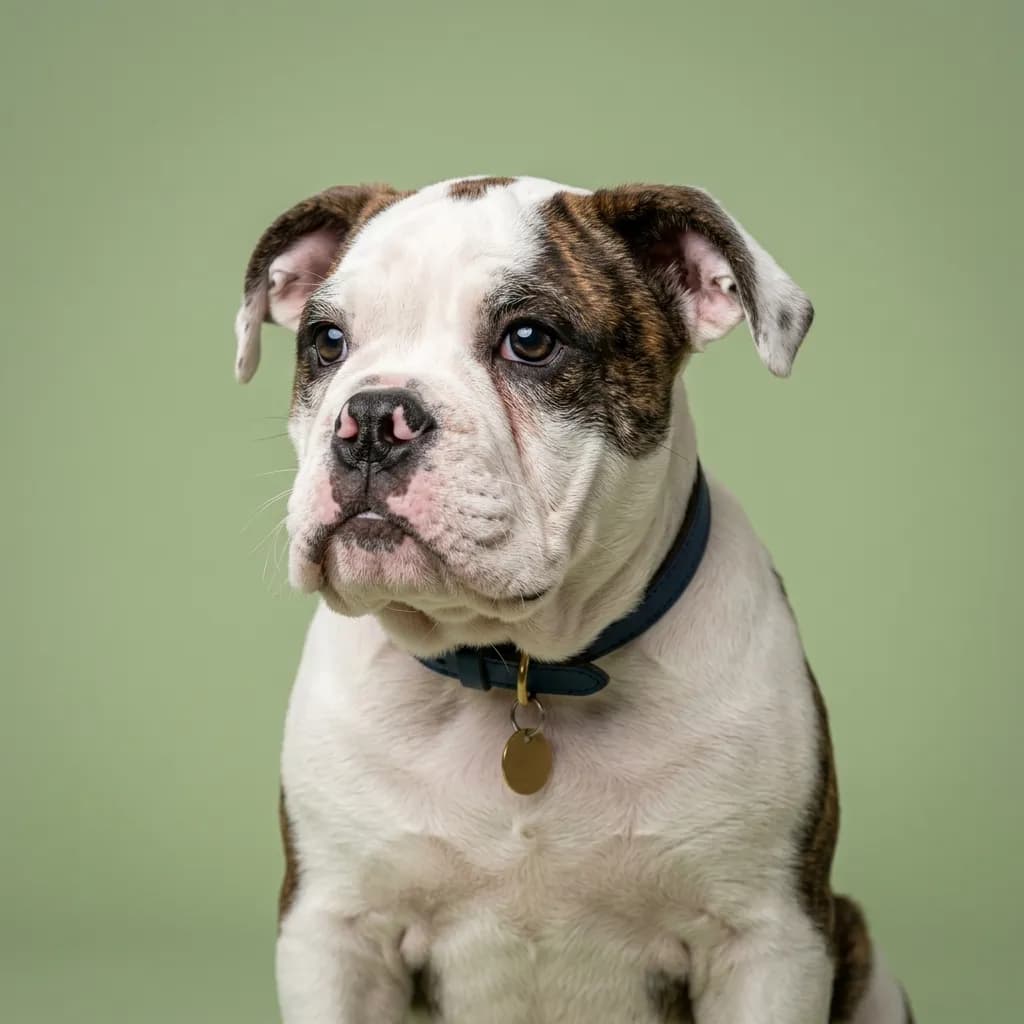
You’re not really comparing these two breeds because their sizes are wildly different. You’re comparing them because you want a loyal dog and you’re stuck between a gentle giant and a feisty little watchdog. One’s built like a farmhand, the other like a pocket-sized warrior. The American Bulldog is a calm, confident guardian weighing up to 100 pounds, happiest on a rural property where it can patrol fences and bond hard with its family. It’s not high-energy but it needs space and a handler who’s done this before. It’s affectionate but not overly clingy, and it won’t bark much, which is rare for such a large dog. But you’ll need to watch for hip issues, and you can’t just leave it in a small yard with nothing to do. The Australian Terrier is the opposite in spirit. At just 15 pounds, it’s loud, bold, and wired. Bred to kill snakes, it’s got a motor that won’t quit and a bark it’s not afraid to use. It adapts fine to apartments, loves kids, and is surprisingly tough for its size. But that terrier brain means it can be stubborn, and if you’ve got a pet rabbit or a timid cat, it might see them as prey. Pick the Bulldog if you want a quiet, imposing presence and have the experience to lead a strong-willed dog. Choose the Aussie Terrier if you want a fearless little companion who’ll greet each day like a mission. Here’s the real talk: the American Bulldog looks intimidating but is often the more laid-back of the two. The tiny terrier? It thinks it’s 50 pounds and will challenge anything that moves. Know which energy you can actually manage.
Trait-by-trait
Higher bar = more of that trait. Shedding, barking, drooling, grooming flipped for readability.Where they diverge
Choose the American Bulldog if…
- experienced dog owners
- active families
- property protection
- You value affectionate w/ family — American Bulldog scores noticeably higher.
Choose the Australian Terrier if…
- Apartments
- Families
- Seniors
- You value playfulness — Australian Terrier scores higher here.