American Bulldog vs Basenji
Side-by-side comparison across all 14 AKC trait ratings, with a clear verdict on which breed fits which kind of household.
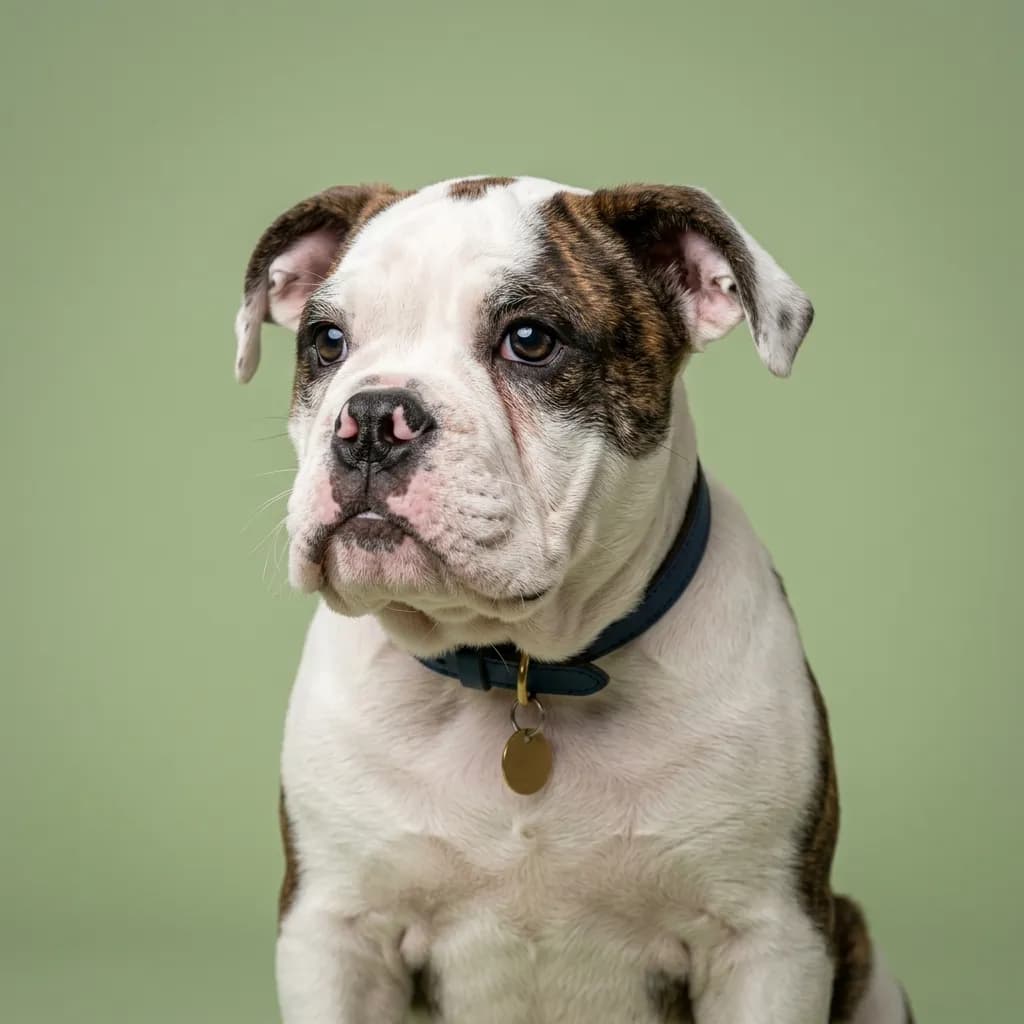

Not sure which breed fits your life?
Answer five questions about your home, your schedule, and your tolerance for shedding. We’ll match you to your top three breeds from over 200.
American Bulldog vs Basenji
People compare American Bulldogs and Basenjis because both are bold, independent dogs that don’t bark much. on paper, that sounds like a quiet, low-maintenance combo. But in reality, these breeds couldn’t be more different. One’s a powerhouse farmhand built like a linebacker, the other a sleek, cat-like hunter who moves like water over stone. If you’re picturing lazy evenings on the porch, an American Bulldog might fit that vibe. They’re affectionate with their people, moderately trainable, and thrive when they have a job or space to claim. They’re loyal to a fault and great with kids if raised with them, but they need consistent handling and room to stretch their legs. They’re not barkers, which people like, but don’t mistake their silence for submissiveness. they’re confident, sometimes stubborn, and not for first-time owners. The Basenji, though? They don’t bark. they yodel. And that’s just the start of their quirks. Bred to hunt silently in African forests, they’re intensely independent, mentally sharp, and notoriously difficult to train. They’re clean, low-shedding, and apartment-friendly, but they demand mental stimulation and secure fencing. Let one off leash without perfect recall and you’ll spend the evening chasing a dog who’s already ten steps ahead. Here’s the real talk: American Bulldogs want to follow you around and protect your world. Basenjis will tolerate your affection on their terms, then vanish into the backyard like they’re on a secret mission. If you want a devoted companion who’s eager to please, go Bulldog. If you want a self-reliant, endlessly fascinating puzzle of a dog who’ll keep you on your toes, the Basenji’s your match. Just know. neither will ever truly belong to you. You’ll just be lucky enough to live with them.
Trait-by-trait
Higher bar = more of that trait. Shedding, barking, drooling, grooming flipped for readability.Where they diverge
Choose the American Bulldog if…
- experienced dog owners
- active families
- property protection
- You value trainability — American Bulldog scores noticeably higher.
Choose the Basenji if…
- Apartments
- Experienced owners
- Allergy sufferers
- You value energy level — Basenji scores higher here.