American Bulldog vs Hamiltonstovare
Side-by-side comparison across all 14 AKC trait ratings, with a clear verdict on which breed fits which kind of household.
Not sure which breed fits your life?
Answer five questions about your home, your schedule, and your tolerance for shedding. We’ll match you to your top three breeds from over 200.
American Bulldog vs Hamiltonstovare
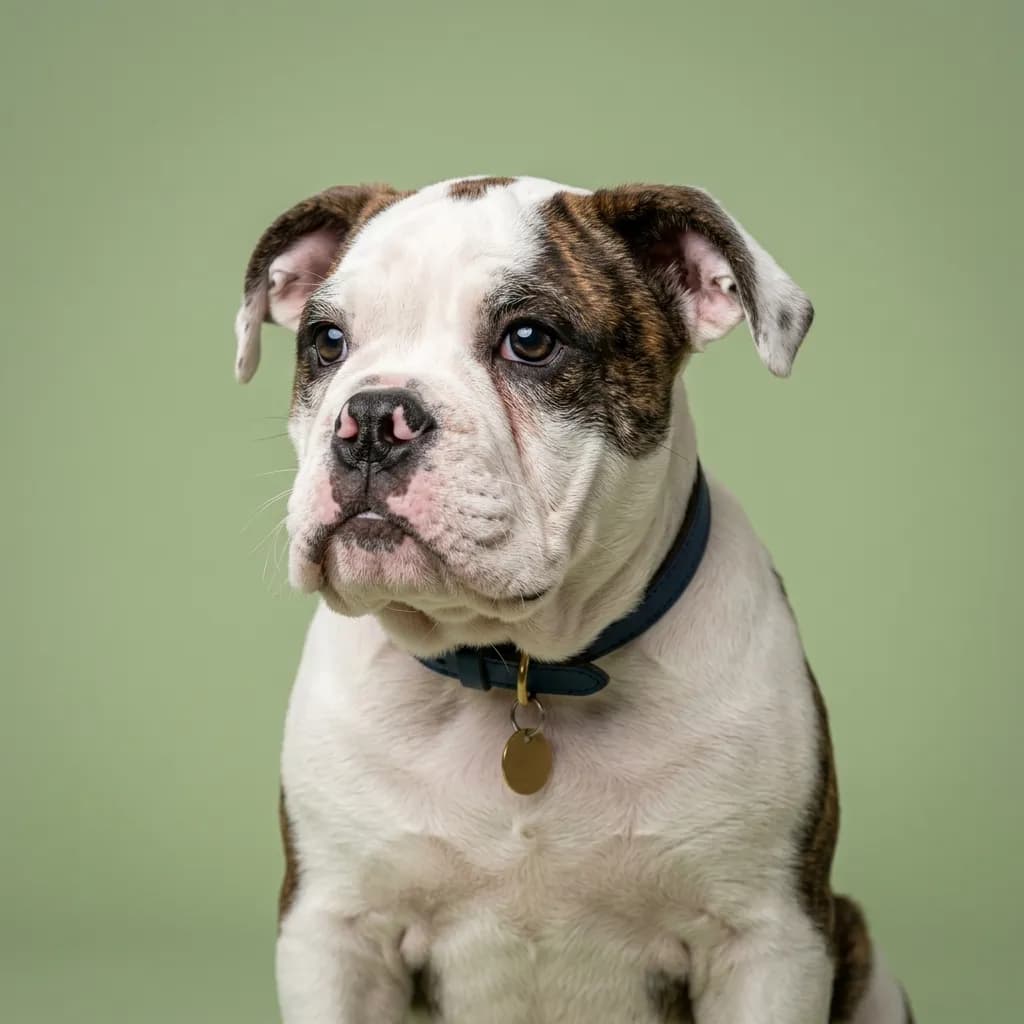
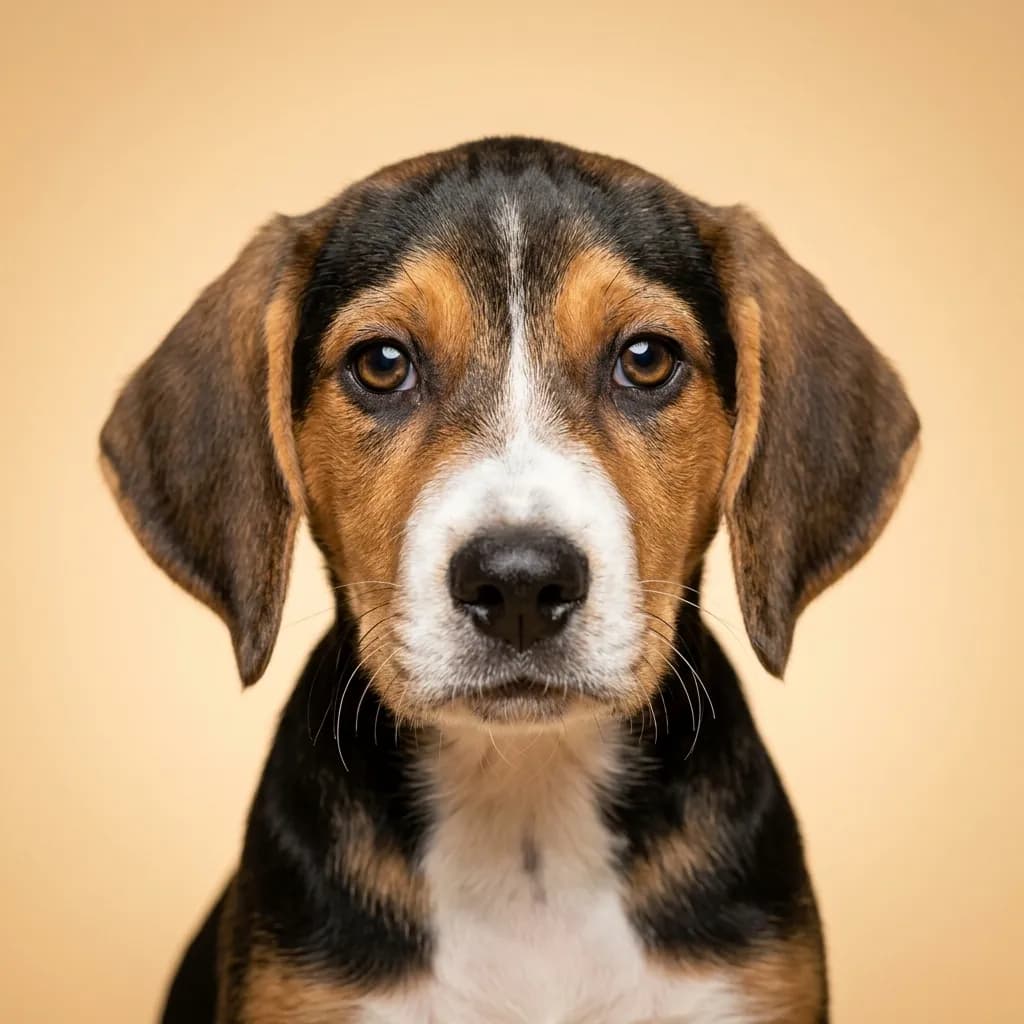
People compare the American Bulldog and the Hamiltonstovare because both are mid-to-large sized, active dogs with a strong working background and a loyal streak. At first glance, they might seem like two sides of the same coin. one built like a brick house, the other built for endurance. but their day-to-day reality couldn’t be more different. The American Bulldog is your stoic protector. He’s calm indoors, rarely barks unless something’s wrong, and bonds fiercely with his family. You’ll find him lounging on the porch, not because he’s lazy, but because he’s got a job. watching. He’s great with kids but has a quiet dominance that first-time owners might misread as stubbornness. He’s not. He just expects you to lead. And if you don’t, he will. He’s happiest on a farm or large property where he has space and purpose. The Hamiltonstovare, in contrast, is all motion and nose. Bred to trail fox and hare for hours in the Swedish woods, this dog lives to follow a scent. Let him outside without a secure fence and he’ll go. Not out of disobedience. out of instinct. He’s more vocal, with a deep baying bark that announces, “I’ve found something!” He’s also more adaptable with kids, often playing with the gentleness of a golden retriever. The honest truth? The American Bulldog thrives when he’s part of a structured home with consistent rules. The Hamiltonstovare thrives when he’s working. mentally and physically. If you’re not hunting or doing scent work, you’ll spend your days trying to manage his drive. Pick the Bulldog if you want a calm, affectionate guardian. Pick the Hamiltonstovare only if you’re ready to channel a true scent hound’s obsession.
Trait-by-trait
Higher bar = more of that trait. Shedding, barking, drooling, grooming flipped for readability.Where they diverge
Choose the American Bulldog if…
- experienced dog owners
- active families
- property protection
Choose the Hamiltonstovare if…
- Hunters
- Active families
- Rural living
- You value good with strangers — Hamiltonstovare scores higher here.