American Bulldog vs Russell Terrier
Side-by-side comparison across all 14 AKC trait ratings, with a clear verdict on which breed fits which kind of household.

Not sure which breed fits your life?
Answer five questions about your home, your schedule, and your tolerance for shedding. We’ll match you to your top three breeds from over 200.
American Bulldog vs Russell Terrier
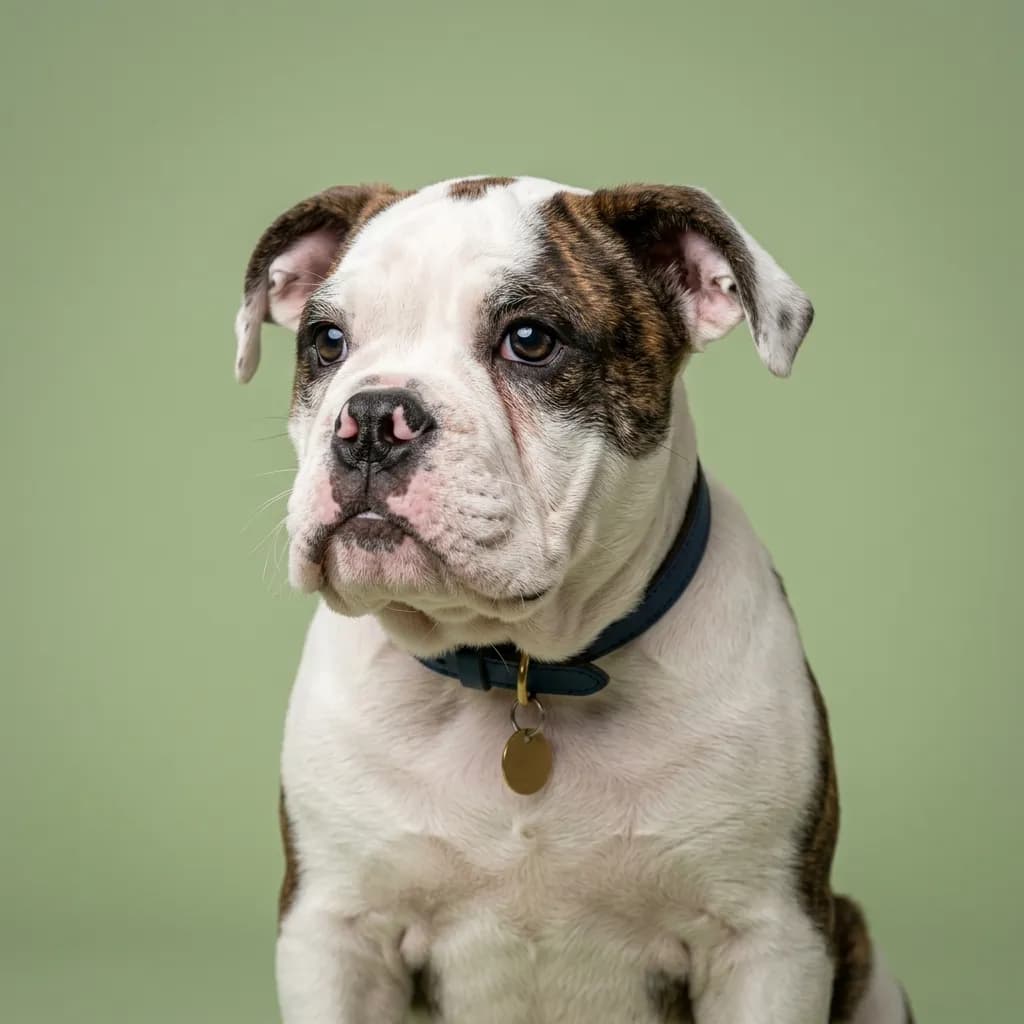
You’re not actually comparing these two breeds because they’re similar. You’re looking at them side by side because you’re torn between two very different kinds of dog energy. one built like a linebacker with a heart of gold, and the other a pint-sized tornado of curiosity that never sleeps. The American Bulldog and Russell Terrier couldn’t be more opposite if they tried. The American Bulldog is the calm bodyguard of the pair. At 60 to 100 pounds, this dog won’t fit under your coffee table or ride in a purse. He’s loyal to his people, easy to train, and doesn’t bark much, but he needs space and structure. He was bred to work farms and guard property, so he thrives with routine, firm handling, and room to move. He’s not overly energetic but he’s strong, and if you’re a first-time owner or live in a small apartment, you’ll be overwhelmed. The Russell Terrier? He’s 15 pounds of relentless optimism. Bred to dive into fox dens and come out barking, he’s loud, bold, and always three steps ahead of you mentally. He’ll learn tricks but only if he feels like it. He wants to be your shadow, yes, but also your alarm system, your yard patrol, and your personal investigator. He’s great in apartments. physically. but only if you’re out running, hiking, or doing dog sports daily. Here’s the real insight: the Bulldog needs a job to feel settled, but the Russell needs a mission to stay sane. Pick the Bulldog if you want a devoted, low-maintenance companion with presence. Pick the Russell if you want a tiny partner in crime who’ll never let you get bored. if you can keep up.
Trait-by-trait
Higher bar = more of that trait. Shedding, barking, drooling, grooming flipped for readability.Where they diverge
Choose the American Bulldog if…
- experienced dog owners
- active families
- property protection
- You value trainability — American Bulldog scores noticeably higher.
Choose the Russell Terrier if…
- Active owners
- Dog sports enthusiasts
- Families with older children
- You value good with strangers — Russell Terrier scores higher here.