American English Coonhound vs Basenji
Side-by-side comparison across all 14 AKC trait ratings, with a clear verdict on which breed fits which kind of household.

Not sure which breed fits your life?
Answer five questions about your home, your schedule, and your tolerance for shedding. We’ll match you to your top three breeds from over 200.
American English Coonhound vs Basenji
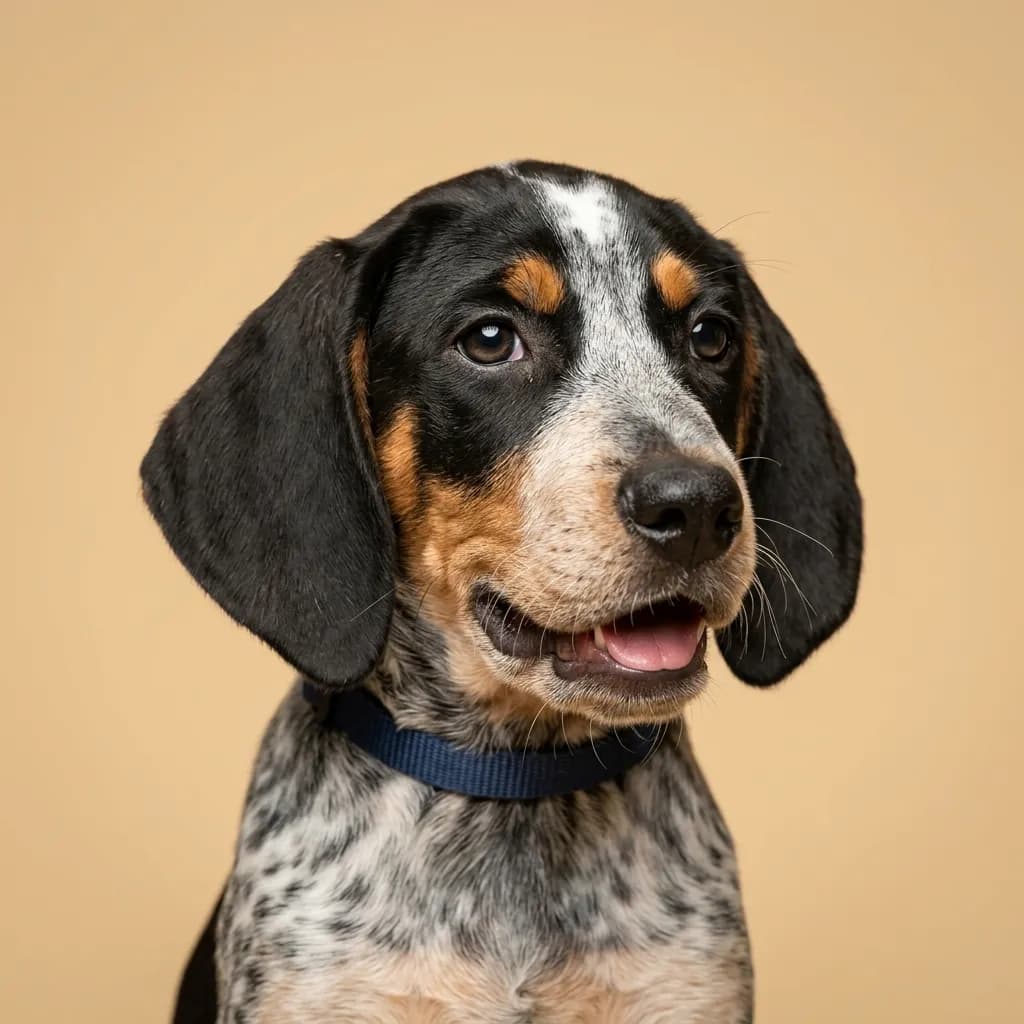
People compare American English Coonhounds and Basenjis because they’re both hounds with strong instincts and lean, athletic builds, but that’s where the similarity ends. Think of it like choosing between a Southern pickup truck with a loud radio and a sleek, silent sports car from overseas. one’s built for endurance and noise, the other for precision and quiet confidence. The Coonhound is a big-hearted, high-energy dog that lives to follow a scent. You’ll hear them before you see them. a deep, baying howl that carries for miles. They thrive in rural homes where they can roam and hunt, and they bond closely with active families who don’t mind a little chaos. But they’re not for the faint of heart; they pull hard on leash, need serious exercise, and won’t come when called if a raccoon’s in the air. They’re good with kids but can be a bit boisterous. The Basenji is the opposite in temperament. quiet, almost catlike, and intensely independent. They don’t bark, but they’ll yodel, whine, and vocalize in ways that surprise first-time owners. They’re clean, low-shedding, and apartment-friendly, but they’re not a beginner’s dog. Their intelligence is sharp, but it’s used to outthink you. If you want a dog that listens and obeys, this isn’t your breed. But if you want a companion that’s always thinking, always watching, and deeply bonded in a reserved way, the Basenji delivers. Here’s the real insight: the Coonhound wants to work with you, the Basenji decides whether you’re worth working with. Choose the Coonhound if you want a loyal, vocal partner in adventure. Choose the Basenji if you’re ready for a relationship that feels more like a negotiated truce. and you’re okay with losing sometimes.
Trait-by-trait
Higher bar = more of that trait. Shedding, barking, drooling, grooming flipped for readability.Where they diverge
Choose the American English Coonhound if…
- Active people
- Rural homes
- Hunters
- You value barking level — American English Coonhound scores noticeably higher.
Choose the Basenji if…
- Apartments
- Experienced owners
- Allergy sufferers
- You value mental stimulation needs — Basenji scores higher here.