American Eskimo Dog vs American Foxhound
Side-by-side comparison across all 14 AKC trait ratings, with a clear verdict on which breed fits which kind of household.

Not sure which breed fits your life?
Answer five questions about your home, your schedule, and your tolerance for shedding. We’ll match you to your top three breeds from over 200.
American Eskimo Dog vs American Foxhound
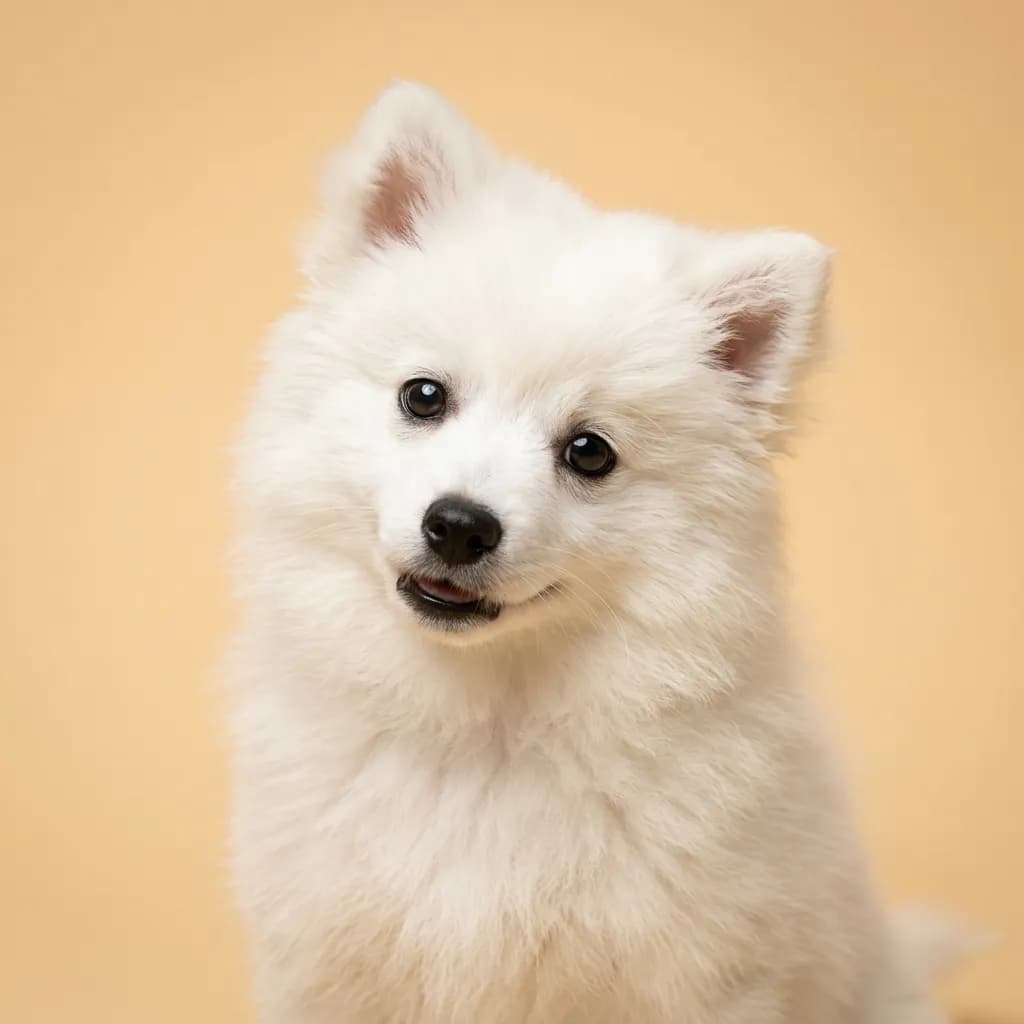
You’re not really comparing these two because they’re similar. You’re looking at them side by side because you’re torn between a dog that wants to be your shadow and one that’ll tolerate you when he’s not chasing a scent across three counties. The American Eskimo Dog is the bright-eyed comedian of the bunch. small, fluffy, and always ready to learn a trick or win a rally title. He bonds tightly, loves kids, and adapts well to city apartments or country cabins as long as he gets daily mental and physical work. You’ll groom him weekly and laugh at his bark, which is frequent but not relentless. Then there’s the American Foxhound. Built for endurance, not cuddles, this dog is all about motion and nose. He’s big, rangy, and built to run for miles behind a pack. His bark isn’t frequent. it’s epic. Think open fields, not shared walls. He’s sweet with kids and other dogs but aloof with people. Trainability? Don’t expect obedience titles. He’ll hear you, but he might decide the fox trail is more compelling. Pick the Eskimo if you want a family-centered companion who thrives on routine and connection. Choose the Foxhound if your life is rural, active, and you accept that your dog will always be half-wild. Here’s the truth the breed standards won’t tell you: the Eskimo can become high-strung if bored, and the Foxhound will never truly be off-leash safe, not because he’s disobedient, but because his instincts are that deep. One is a partner. The other is a force of nature. Pick based on which kind of relationship you’re ready for.
Trait-by-trait
Higher bar = more of that trait. Shedding, barking, drooling, grooming flipped for readability.Where they diverge
Choose the American Eskimo Dog if…
- Families
- Active people
- Cold climates
- You value affectionate w/ family — American Eskimo Dog scores noticeably higher.
Choose the American Foxhound if…
- Active people
- Rural homes
- Hunters
- You value good with other dogs — American Foxhound scores higher here.