American Eskimo Dog vs Chinese Shar-Pei
Side-by-side comparison across all 14 AKC trait ratings, with a clear verdict on which breed fits which kind of household.
Not sure which breed fits your life?
Answer five questions about your home, your schedule, and your tolerance for shedding. We’ll match you to your top three breeds from over 200.
American Eskimo Dog vs Chinese Shar-Pei
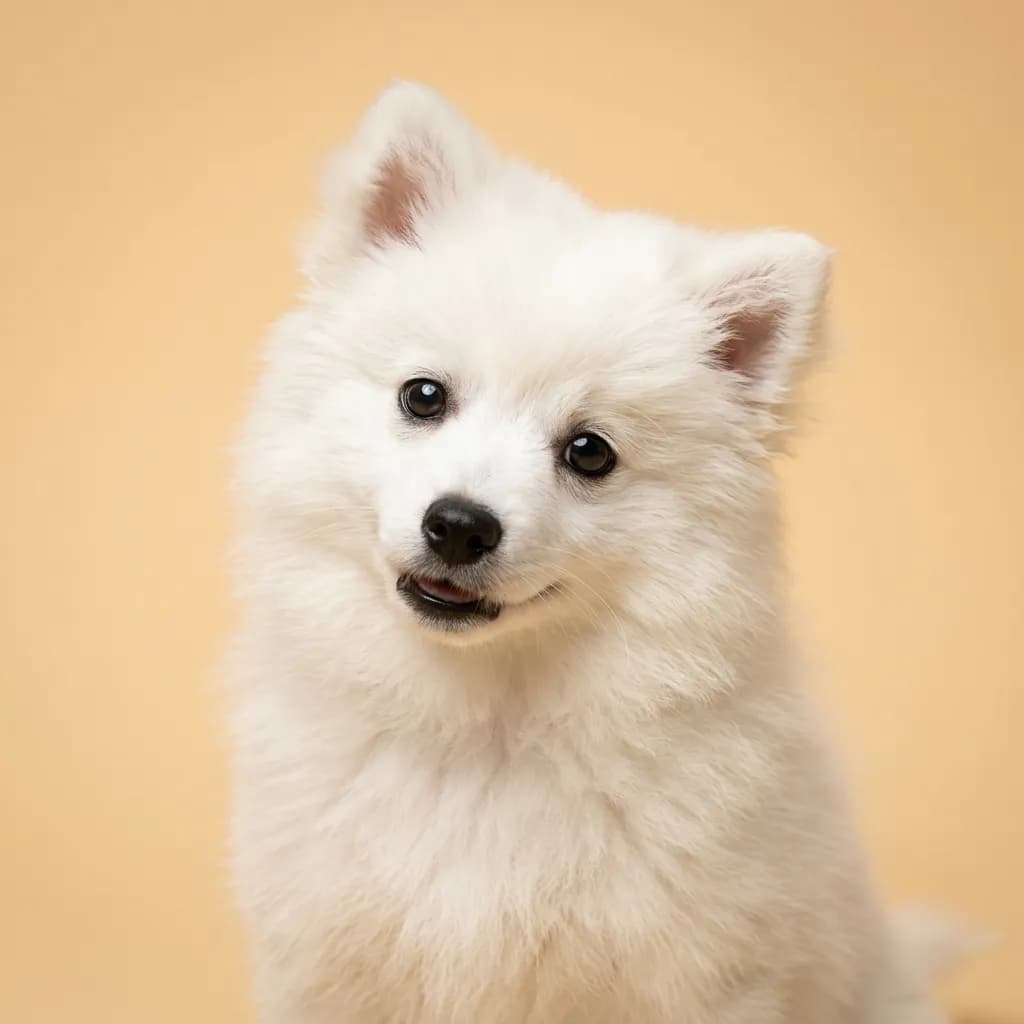
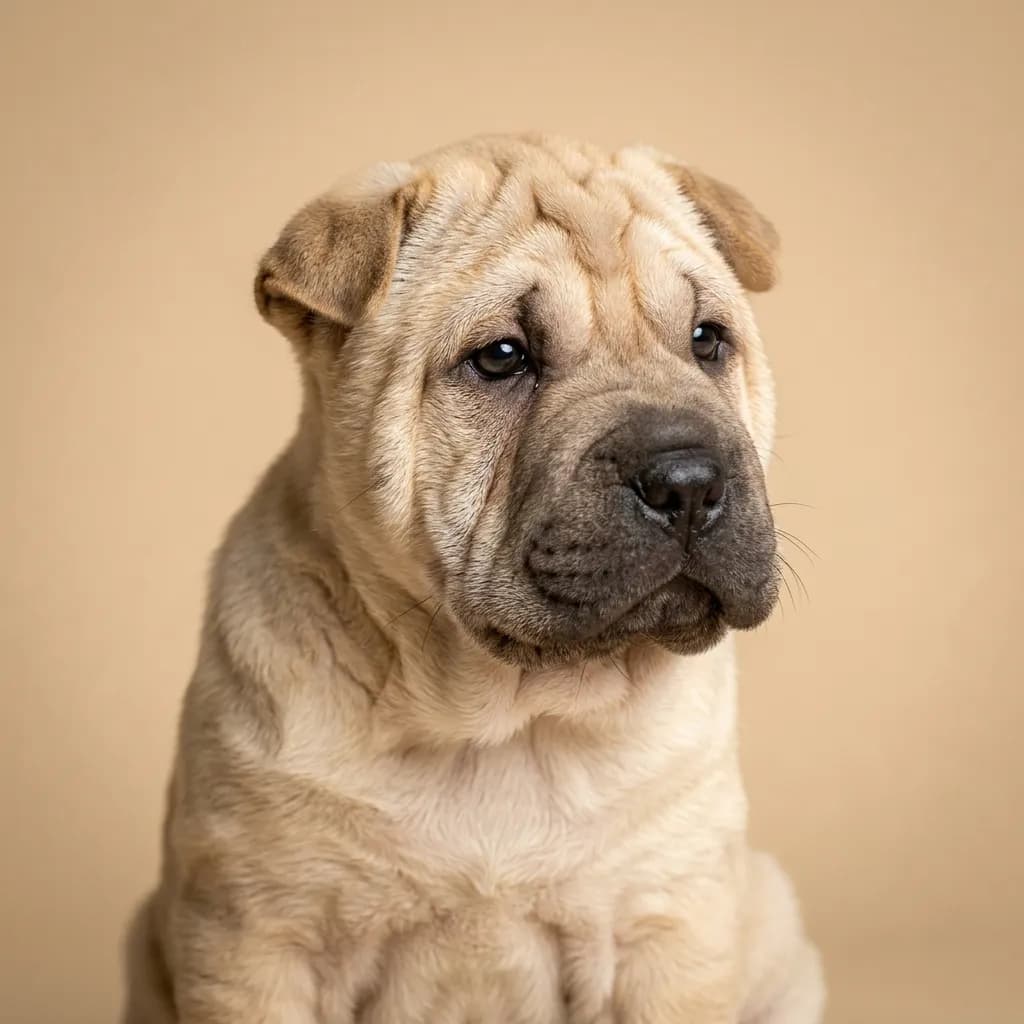
People compare the American Eskimo Dog and the Chinese Shar-Pei because they’re both in the Non-Sporting group, medium-sized, and have a dignified presence. but that’s where the similarity ends. One’s a snow-loving comedian with a wagging tail and a need for mental snacks, the other’s a stoic, wrinkled philosopher who’d rather nap than fetch. The American Eskimo Dog is a 15-year-old whirlwind of affection and energy, built for families who hike, play, and train. They’re great with kids, excel in agility, and will learn tricks just to see you smile. But they need cold weather, daily grooming, and owners who won’t mind a little barking at the mailman. If you’re active and home often, they’ll glue themselves to your side. The Shar-Pei is a different beast entirely. Calmer, more reserved, and fiercely loyal, they’re not the cuddle-on-demand type. They bond deeply with one or two people and can be standoffish with strangers. and other dogs. Their wrinkles look cute, but they’re a maintenance hotspot for infections, and their lifespan is shorter, often under 12 years. They do best with experienced owners who understand canine body language and don’t need a “people pleaser.” Here’s the real talk: the American Eskimo wants to be part of your life like a co-star. The Shar-Pei tolerates your presence like a generous landlord. If you want a dog that’s always “on,” go Eskimo. If you want quiet loyalty and don’t mind a little aloofness, the Shar-Pei’s your match. But don’t get a Shar-Pei for the kids. They’d rather be respected than hugged.
Trait-by-trait
Higher bar = more of that trait. Shedding, barking, drooling, grooming flipped for readability.Where they diverge
Choose the American Eskimo Dog if…
- Families
- Active people
- Cold climates
- You value good with young children — American Eskimo Dog scores noticeably higher.
Choose the Chinese Shar-Pei if…
- Experienced dog owners
- Homeowners with fenced yards
- Those wanting a loyal guard dog
- You value drooling level — Chinese Shar-Pei scores higher here.