American Eskimo Dog vs English Toy Spaniel
Side-by-side comparison across all 14 AKC trait ratings, with a clear verdict on which breed fits which kind of household.

Not sure which breed fits your life?
Answer five questions about your home, your schedule, and your tolerance for shedding. We’ll match you to your top three breeds from over 200.
American Eskimo Dog vs English Toy Spaniel
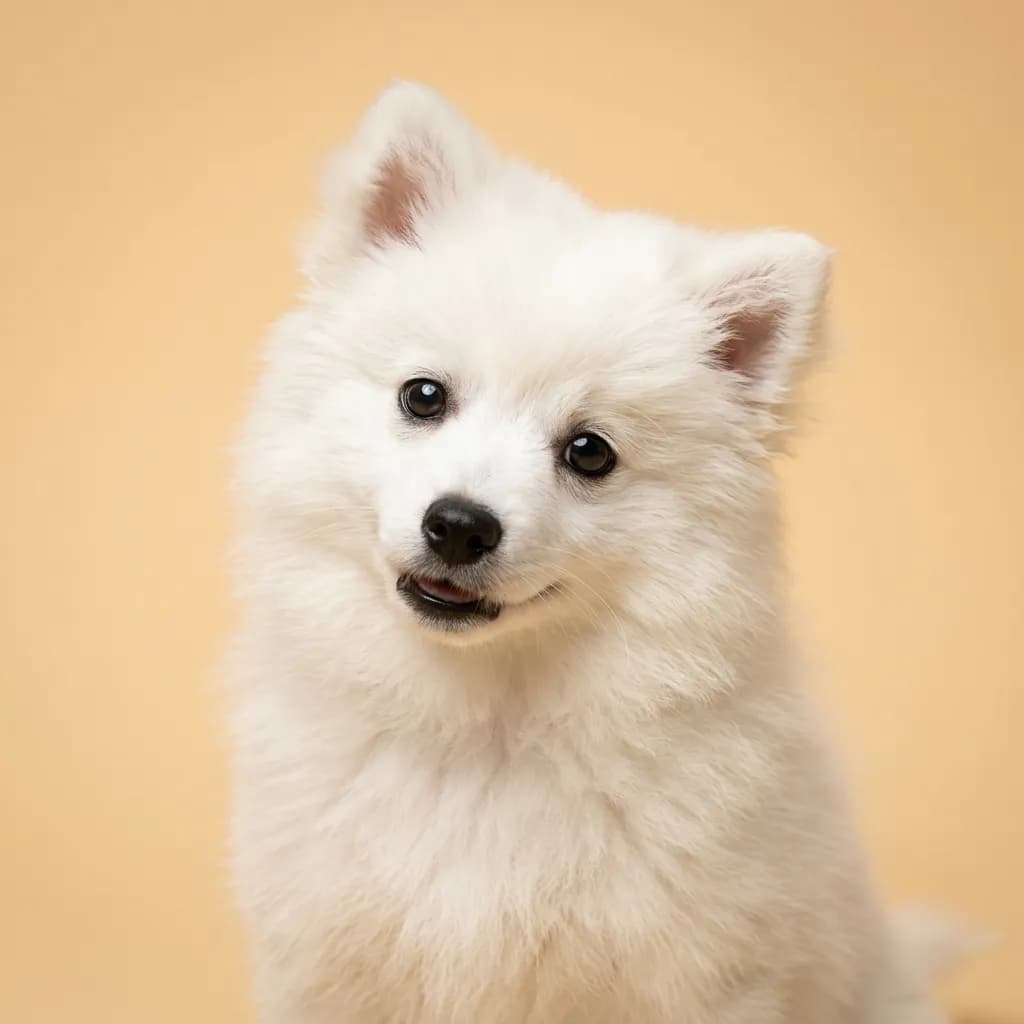
You don’t see these two compared often, but I get why you’re asking. Both are small, fluffy, and eager to please. on paper, they look like cousins. But spend a weekend with each and you’ll realize one wants to join your workout, the other wants to nap through it. The American Eskimo Dog is a spark plug in a cloud, bred to perform under spotlights and bark at intruders. They’re sharp, bold, and need jobs. whether that’s learning tricks or hiking beside you in the snow. They’ll bond with the whole family, thrive in a lively home, and yes, they’ll shed a little, but their thick coat is worth it if you live somewhere cold. The English Toy Spaniel? Total softie. This is the dog that was literally designed for royal laps, curled up beside Charles II. They’re calm, sweet, and happiest when they’re touching you. They don’t need much exercise. just a slow stroll and some chin scratches. But they don’t do well in heat, and their flat faces mean you’ve got to watch their breathing, especially in summer. If you’re active, have kids, and want a dog that can keep up, go Eskie. If you’re a retiree or live in a quiet apartment and want a velvety shadow who adores quiet evenings, the Toy Spaniel’s your match. Here’s the real talk: the Eskimo looks like a high-maintenance fluffball but is actually low-drama if you meet their energy needs. The Spaniel looks like an easy lapdog but comes with serious health risks and a shorter lifespan. 10 to 12 years is a gut punch when you’ve bonded. Choose not just the dog, but the kind of love you’re ready to give. and lose.
Trait-by-trait
Higher bar = more of that trait. Shedding, barking, drooling, grooming flipped for readability.Where they diverge
Choose the American Eskimo Dog if…
- Families
- Active people
- Cold climates
- You value good with strangers — American Eskimo Dog scores noticeably higher.
Choose the English Toy Spaniel if…
- Apartment living
- Retirees
- Singles and couples
- You value good with other dogs — English Toy Spaniel scores higher here.