American Eskimo Dog vs Newfoundland
Side-by-side comparison across all 14 AKC trait ratings, with a clear verdict on which breed fits which kind of household.
Not sure which breed fits your life?
Answer five questions about your home, your schedule, and your tolerance for shedding. We’ll match you to your top three breeds from over 200.
American Eskimo Dog vs Newfoundland
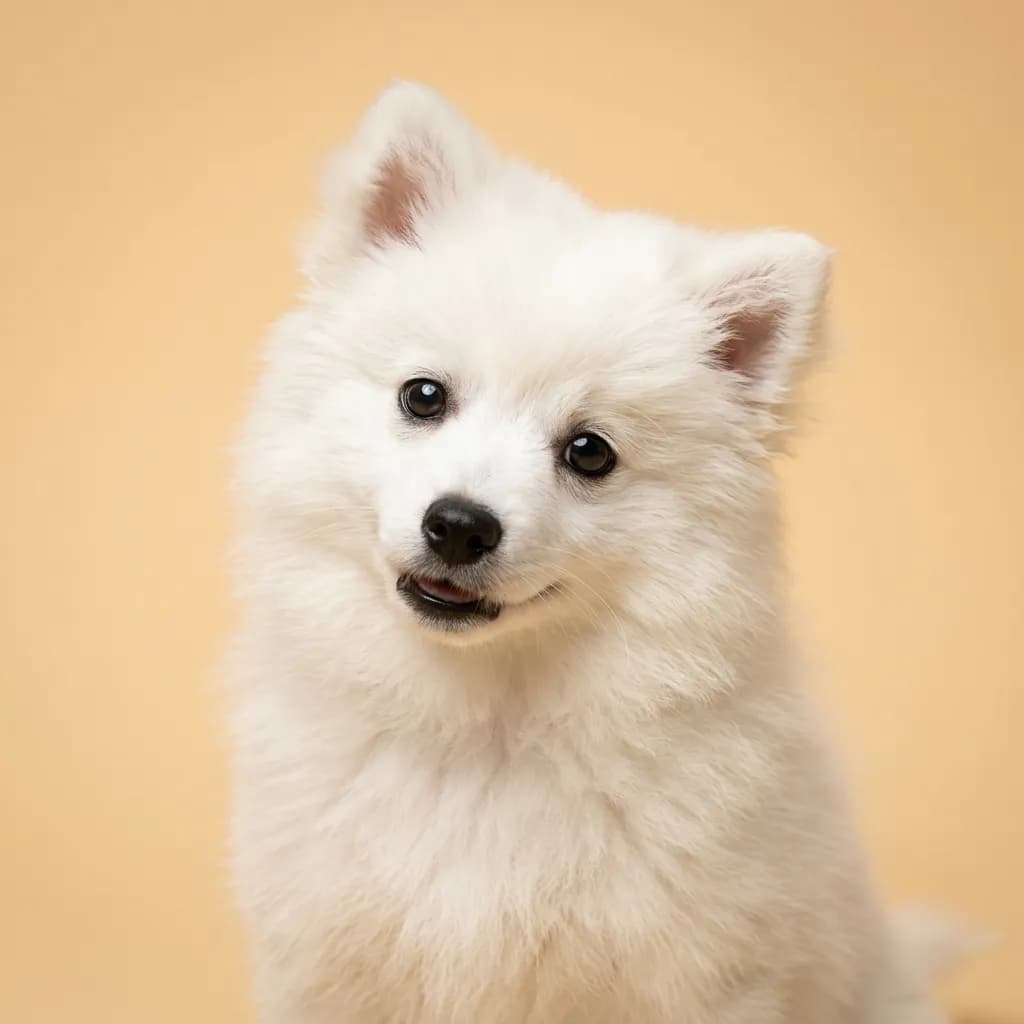
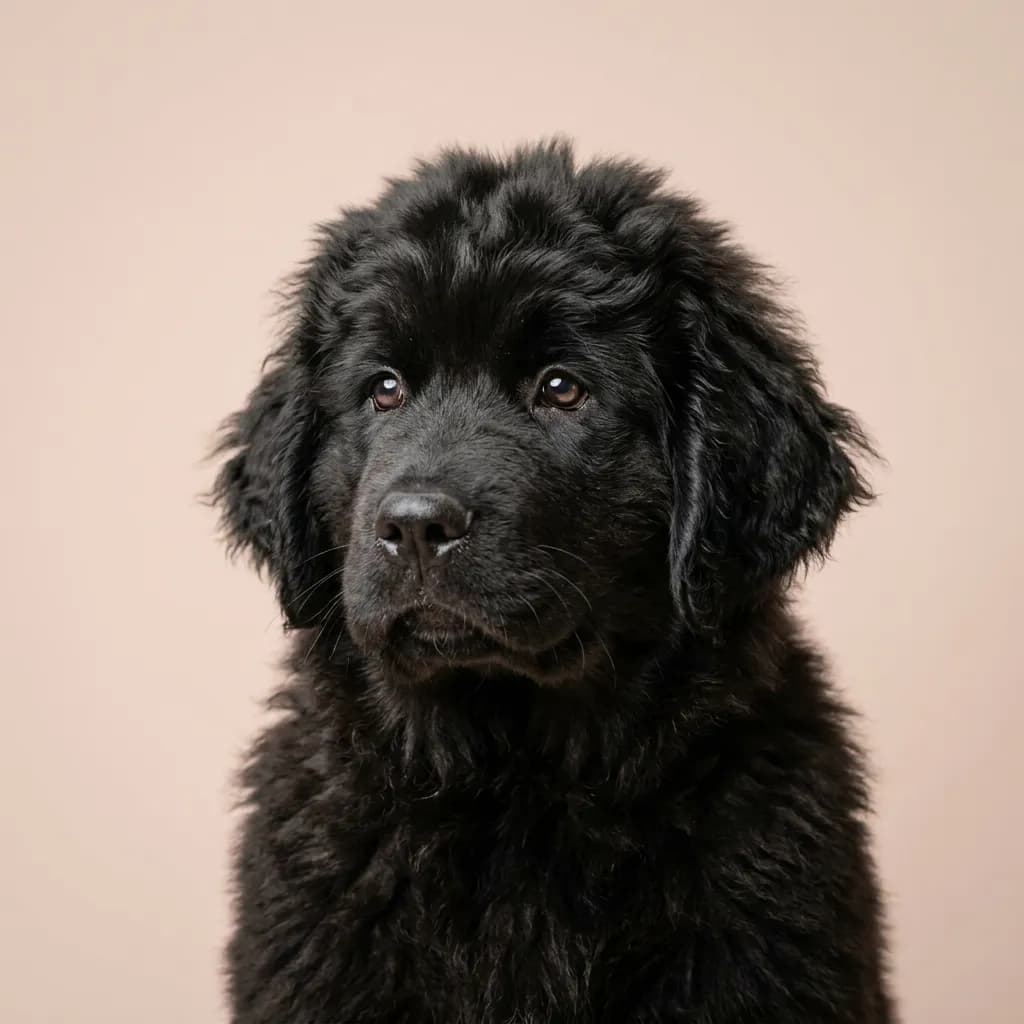
You don’t see people tossing a coin between a 12-pound fluffball and a 150-pound water rescue dog every day. But both the American Eskimo Dog and the Newfoundland show up side by side on family breed searches, and it’s not hard to see why. Both are fluffy, white or light-coated, and melt when kids walk into the room. They’re loyal, gentle, and look like they stepped out of a snowglobe. But that’s where the snowstorm ends. The American Eskimo is a spark plug. Bred to dazzle crowds in circuses, this little guy thrives on activity, tricks, and attention. He’ll learn 50 commands if you’ve got the time and energy. He’s portable, adaptable to city life, and doesn’t mind a small yard. or no yard. so long as you’re around. But don’t be fooled by the teddy bear face. He sheds year-round, barks at the mailman like it’s a mortal threat, and needs daily mental and physical motion. If you’re gone all day or hate vacuuming, skip him. The Newfoundland is the opposite kind of commitment. He’s not quick to learn tricks, but he doesn’t need to. He’s built for calm, steady presence. This dog will haul you out of water if needed and then dry off on your couch, drooling a little, shedding a lot, and taking up three-quarters of the sofa. He’s not built for heat, small spaces, or owners who flinch at dog hair in their coffee. But if you’ve got kids, a boat, or just want a silent, soulful companion who radiates peace, he’s unmatched. Here’s the truth beyond the data: the Eskimo wants to be your co-pilot. The Newfoundland wants to be your anchor. Pick based on whether your life needs a sidekick or a steady hand.
Trait-by-trait
Higher bar = more of that trait. Shedding, barking, drooling, grooming flipped for readability.Where they diverge
Choose the American Eskimo Dog if…
- Families
- Active people
- Cold climates
- You value barking level — American Eskimo Dog scores noticeably higher.
Choose the Newfoundland if…
- Families with children
- Water and outdoor enthusiasts
- Those wanting a gentle giant
- You value drooling level — Newfoundland scores higher here.