American Eskimo Dog vs Porcelaine
Side-by-side comparison across all 14 AKC trait ratings, with a clear verdict on which breed fits which kind of household.

Not sure which breed fits your life?
Answer five questions about your home, your schedule, and your tolerance for shedding. We’ll match you to your top three breeds from over 200.
American Eskimo Dog vs Porcelaine
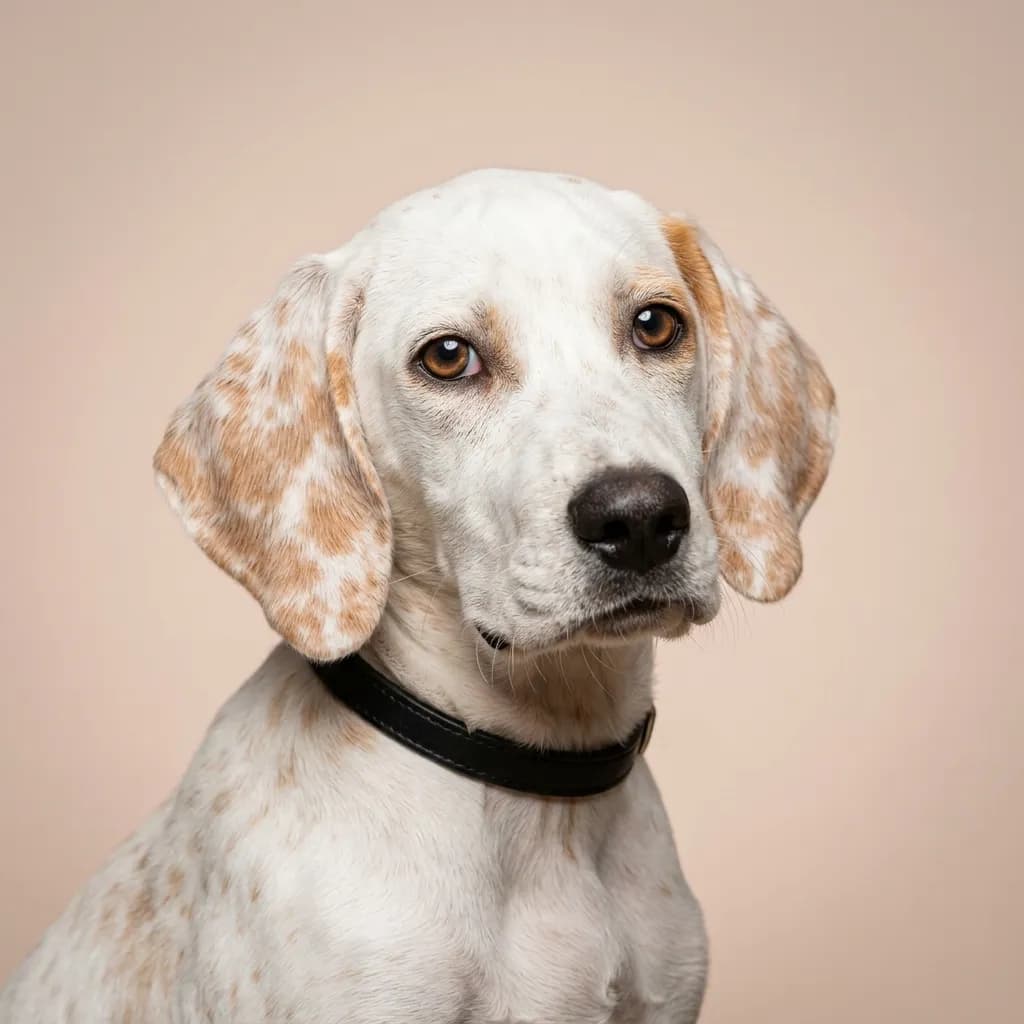
People rarely compare these two by accident. You’re probably torn between a compact, people-pleasing fluffball and a lean, athletic hunting machine that looks like it belongs on a forest patrol. The American Eskimo Dog and the Porcelaine couldn’t be more different in purpose, even if they share a white coat and alert expressions. The Eskie is your family’s cheerful roommate. At 9 to 35 pounds, it’s built for couch cuddles and dog parks, not deep woods. It thrives on attention, learns tricks fast, and will follow your kids around like a fluffy guardian. You’ll need to brush it weekly and accept its habit of barking at delivery people. It’s adaptable. great in suburbs or colder cities. but don’t expect it to settle in a hot apartment with a couch potato owner. The Porcelaine is another beast entirely. At 55 to 62 pounds, this French scenthound was built to run for miles tracking game through mountain forests. It’s independent, yes, but also highly trainable if you understand hound motivation. It’s quiet compared to the Eskie. less bark, more focus. but needs mental challenges and serious exercise. This isn’t a dog for beginners or city living. It needs space, purpose, and a handler who respects its drive. Here’s the real difference no chart captures: the Eskie wants to be part of your life. The Porcelaine wants you to join its life. One is a companion first. The other is a partner. but only if you’re ready to hunt, hike, or at least simulate that lifestyle. If you don’t have land or hunting interests, the Porcelaine’s brilliance will go underused, and you’ll end up with a frustrated, expensive dog. Choose the Eskie for joy and ease. Choose the Porcelaine only if you’re all in.
Trait-by-trait
Higher bar = more of that trait. Shedding, barking, drooling, grooming flipped for readability.Where they diverge
Choose the American Eskimo Dog if…
- Families
- Active people
- Cold climates
- You value coat grooming — American Eskimo Dog scores noticeably higher.
Choose the Porcelaine if…
- hunters
- active rural owners
- pack hound enthusiasts
- You value good with other dogs — Porcelaine scores higher here.