American Eskimo Dog vs Puli
Side-by-side comparison across all 14 AKC trait ratings, with a clear verdict on which breed fits which kind of household.
Not sure which breed fits your life?
Answer five questions about your home, your schedule, and your tolerance for shedding. We’ll match you to your top three breeds from over 200.
American Eskimo Dog vs Puli
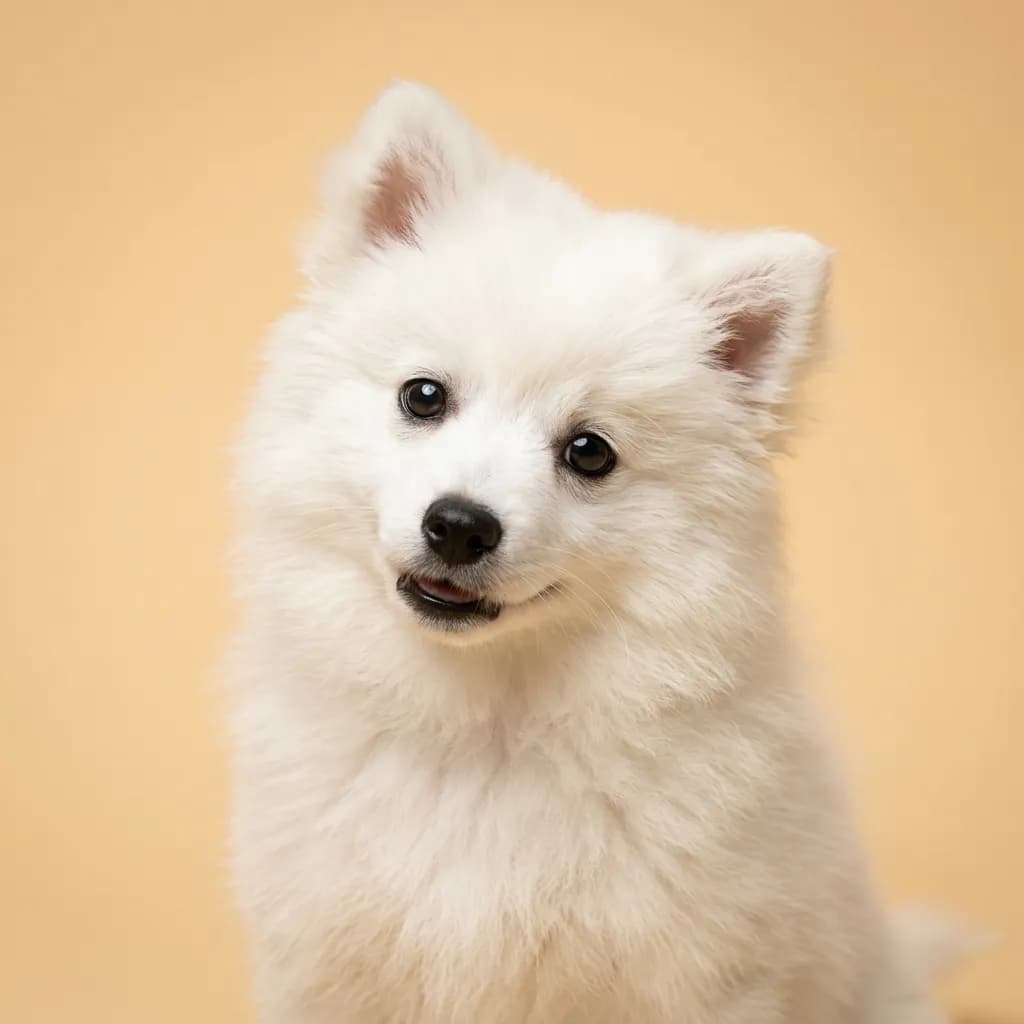
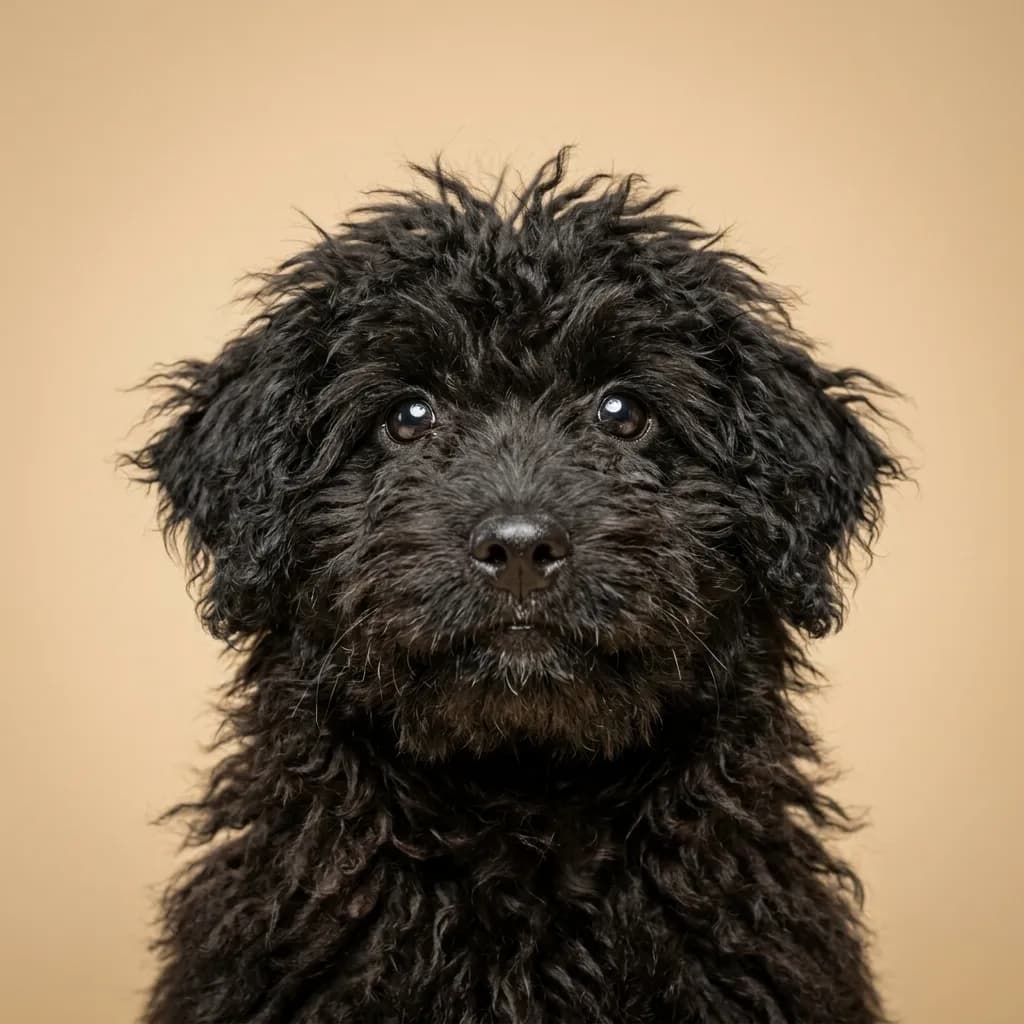
You’re probably comparing these two because they look like they escaped from a fairy tale. Both are fluffy, both are white, both are smart as hell. But that’s where the similarities end. The American Eskimo Dog is the cheerful class clown who’ll learn every trick just to hear you laugh, while the Puli is the intense philosopher in dreadlocks, quietly observing your life like he’s writing a thesis on it. The Eskie thrives on interaction. It’s a 13 to 15 year love bomb with boundless energy and a knack for dog sports. It’s great with kids, adapts to apartments or houses, and will follow you from room to room like a loyal shadow. But you’ll brush it weekly and watch for those little white clumps on the sofa. moderate shedding is part of the deal. It’s bred to perform and please, and it shows. The Puli? It’s not trying to impress you. It’s too busy being deeply, intensely loyal. It bonds closely with its family and can be wary of strangers, even kids if not socialized early. Its coat isn’t just high maintenance. it’s a lifestyle. Those cords take months to form and require meticulous care to avoid mold or matting. But it hardly sheds, making it a rare fit for some allergy sufferers. Here’s the real difference: the Eskie wants to be your best friend. The Puli wants to be your partner in a quiet revolution. Choose the Eskie if you want a joyful, family-friendly companion who’ll shine in agility or just on the couch. Pick the Puli only if you’re ready for a dog with a soul. and a grooming routine that feels like a part-time job. And don’t be fooled by the fluff. One is a performer. The other is a guardian. Know which relationship you’re signing up for.
Trait-by-trait
Higher bar = more of that trait. Shedding, barking, drooling, grooming flipped for readability.Where they diverge
Choose the American Eskimo Dog if…
- Families
- Active people
- Cold climates
- You value good with young children — American Eskimo Dog scores noticeably higher.
Choose the Puli if…
- Active families
- Experienced dog owners
- Those wanting a unique coat
- You value coat grooming — Puli scores higher here.