American Eskimo Dog vs Rottweiler
Side-by-side comparison across all 14 AKC trait ratings, with a clear verdict on which breed fits which kind of household.

Not sure which breed fits your life?
Answer five questions about your home, your schedule, and your tolerance for shedding. We’ll match you to your top three breeds from over 200.
American Eskimo Dog vs Rottweiler
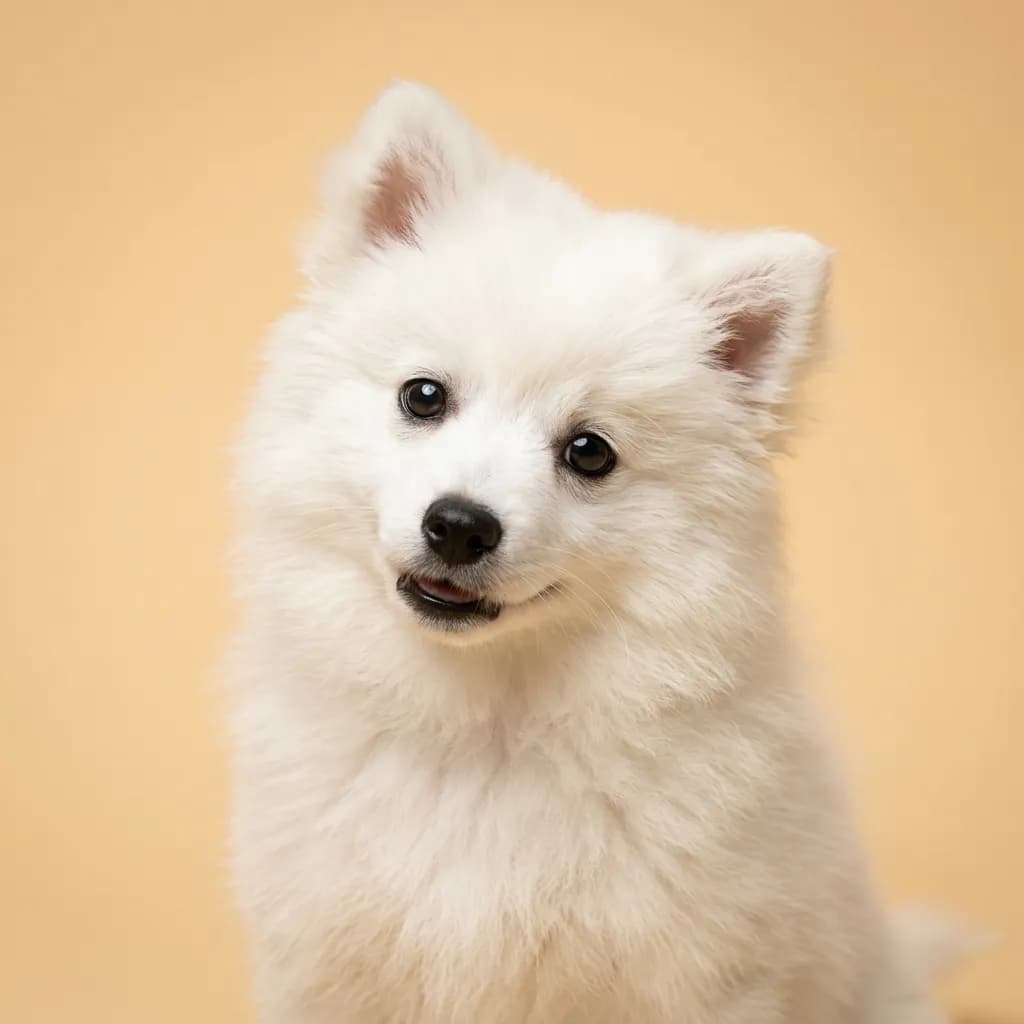
People compare American Eskimo Dogs and Rottweilers because both are loyal, alert, and can be protective. but that’s where the similarities end. One’s a sprightly white fluffball that could live in a studio apartment, the other a powerful, muscle-packed guardian who needs room to move and a job to do. Choosing between them isn't about preference alone. It’s about your life. The American Eskimo Dog is a family-friendly charmer, weighing as little as six pounds and living up to 15 years. They’re smart, playful, and thrive on interaction. whether it’s learning tricks or joining kids in the backyard. They’re adaptable, do well in cold weather, and while they need regular brushing, their maintenance is manageable. You’ll hear them bark at squirrels or strangers, but they’re more likely to dance than dominate. The Rottweiler? You’re committing to a decade-long partnership with a dog that weighs up to 135 pounds and carries the presence of a linebacker. They’re deeply affectionate with their people, incredibly trainable, and calm when properly exercised. But they need structure, consistent training, and early socialization. A poorly raised Rottweiler isn’t just problematic. it’s dangerous. Families wanting a lively, kid-friendly companion with lower space demands should lean toward the Eskie. Those with experience, space, and a need for a devoted protector will find the Rottweiler unmatched. Here’s the real talk: the American Eskimo thrives on joy. The Rottweiler thrives on purpose. One wants to play, the other wants to work. Pick based on which energy your life can truly support.
Trait-by-trait
Higher bar = more of that trait. Shedding, barking, drooling, grooming flipped for readability.Where they diverge
Choose the American Eskimo Dog if…
- Families
- Active people
- Cold climates
- You value good with young children — American Eskimo Dog scores noticeably higher.
Choose the Rottweiler if…
- Experienced dog owners
- Active families
- Protection and working dog roles
- You value drooling level — Rottweiler scores higher here.