American Eskimo Dog vs Russian Toy
Side-by-side comparison across all 14 AKC trait ratings, with a clear verdict on which breed fits which kind of household.
Not sure which breed fits your life?
Answer five questions about your home, your schedule, and your tolerance for shedding. We’ll match you to your top three breeds from over 200.
American Eskimo Dog vs Russian Toy
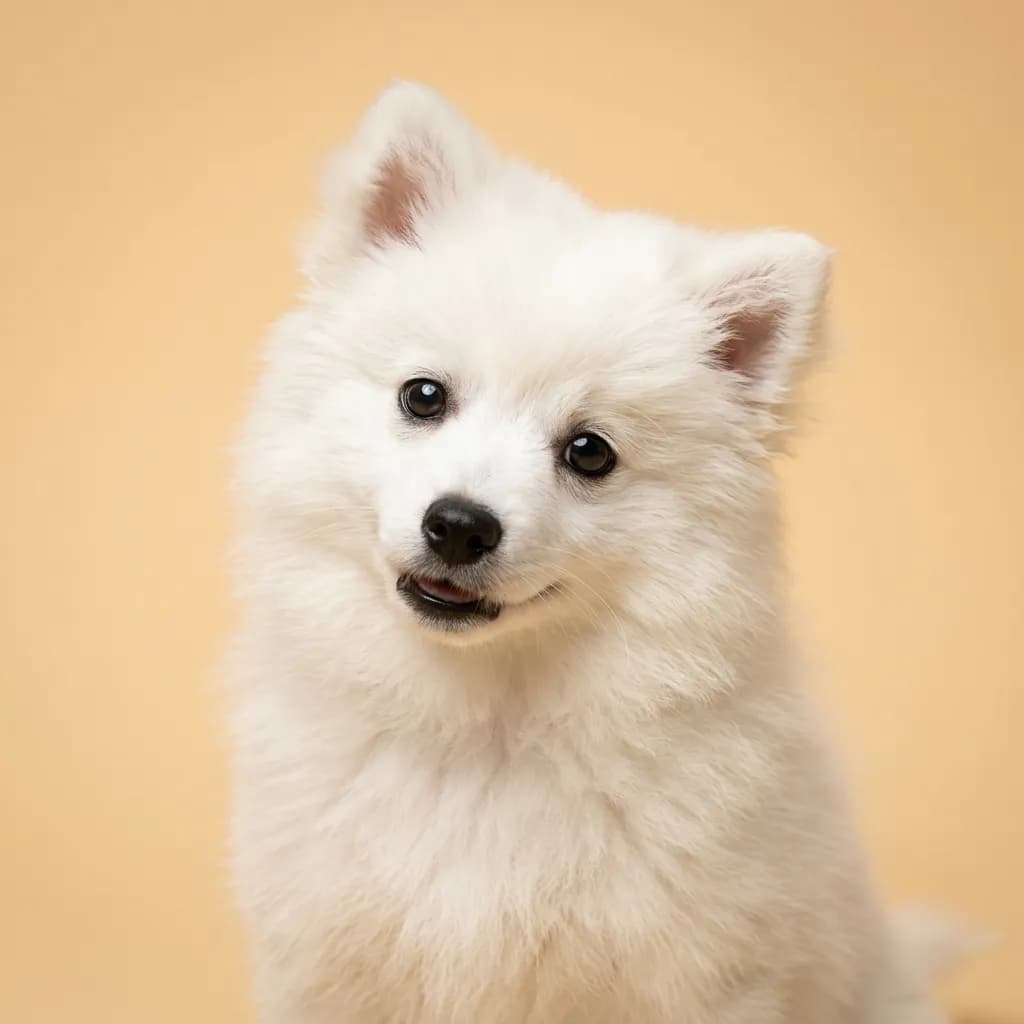
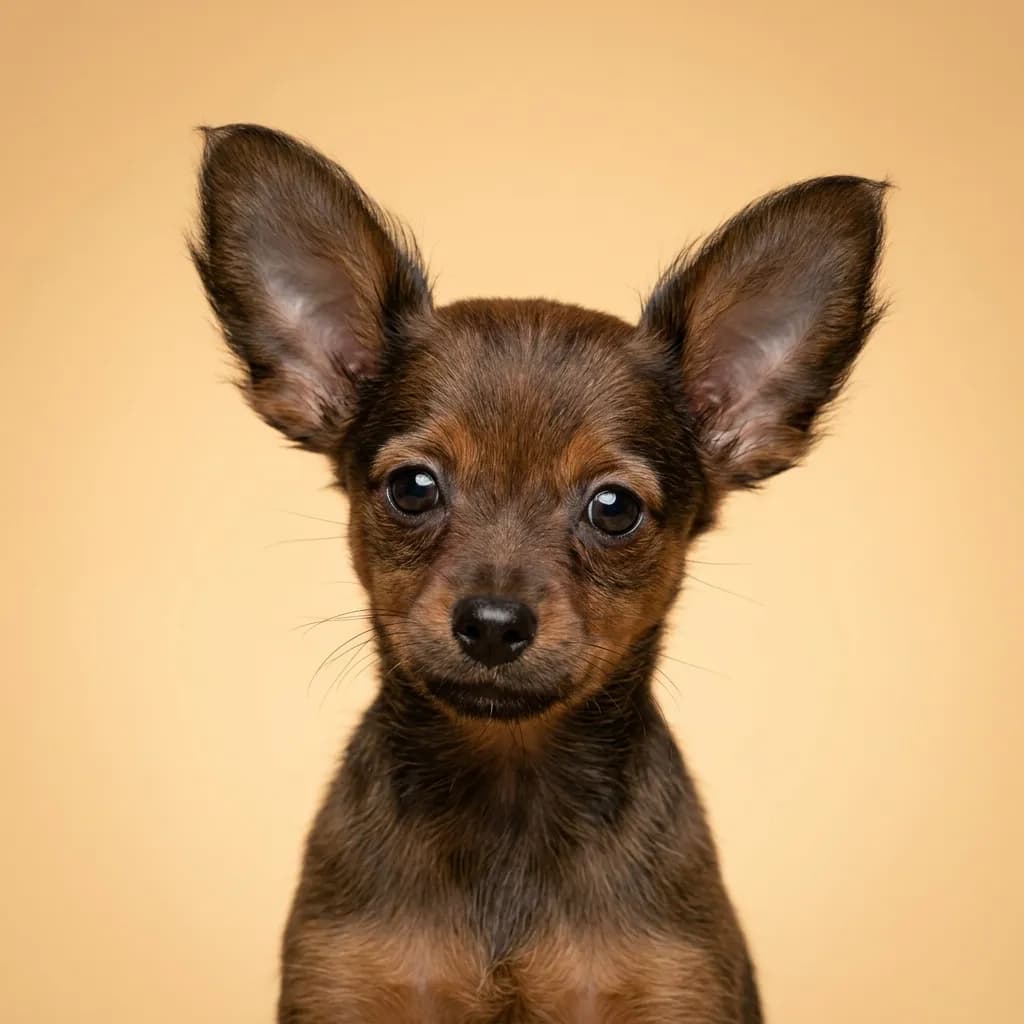
You don’t see American Eskimo Dogs and Russian Toys stacked up often, but if you’re browsing small, fluffy, big-eyed breeds that seem to wear permanent smiles, the comparison makes sense. Both are alert, affectionate, and smart as whips. But that’s where the similarity ends. The truth? These dogs live entirely different lives despite the comparable size. The American Eskimo Dog is a middleweight performer at heart. bred to dazzle under circus tents and bark at anything suspicious. You’ll see it prance across a backyard in Minnesota, pulling kids on sleds or acing an agility course. It thrives on interaction, needs daily mental and physical play, and will happily greet the mailman like it’s the event of the week. Families love them because they’re sturdy, patient, and bond deeply with kids. The Russian Toy, meanwhile, is more like a velvet-lined secret. Delicate as a porcelain figurine, it’s built for quiet apartments in Moscow or Manhattan. It’s fiercely loyal to one or two people and can shut down around chaos. Loud kids? Too much. Stairs? A hazard. But for a retired couple or a single professional home by 6 p.m., it’s pure devotion in a tiny, silky package. Here’s the real talk: the American Eskimo wants to be your teammate. The Russian Toy wants to be your heirloom. Pick the first if you want a dog who’ll join your weekend hike and still cuddle after. Pick the second if you want a silent shadow who lives for your return. but don’t expect it to play fetch. And one thing no breeder brochure tells you: the Russian Toy’s bark is sharper, more frequent, and harder to curb. It’s not just alert. it’s aristocratic disapproval in sound form.
Trait-by-trait
Higher bar = more of that trait. Shedding, barking, drooling, grooming flipped for readability.Where they diverge
Choose the American Eskimo Dog if…
- Families
- Active people
- Cold climates
- You value good with young children — American Eskimo Dog scores noticeably higher.
Choose the Russian Toy if…
- Apartment living
- Seniors
- Owners wanting a devoted companion
- You value playfulness — Russian Toy scores higher here.