American Eskimo Dog vs Russian Tsvetnaya Bolonka
Side-by-side comparison across all 14 AKC trait ratings, with a clear verdict on which breed fits which kind of household.
Not sure which breed fits your life?
Answer five questions about your home, your schedule, and your tolerance for shedding. We’ll match you to your top three breeds from over 200.
American Eskimo Dog vs Russian Tsvetnaya Bolonka
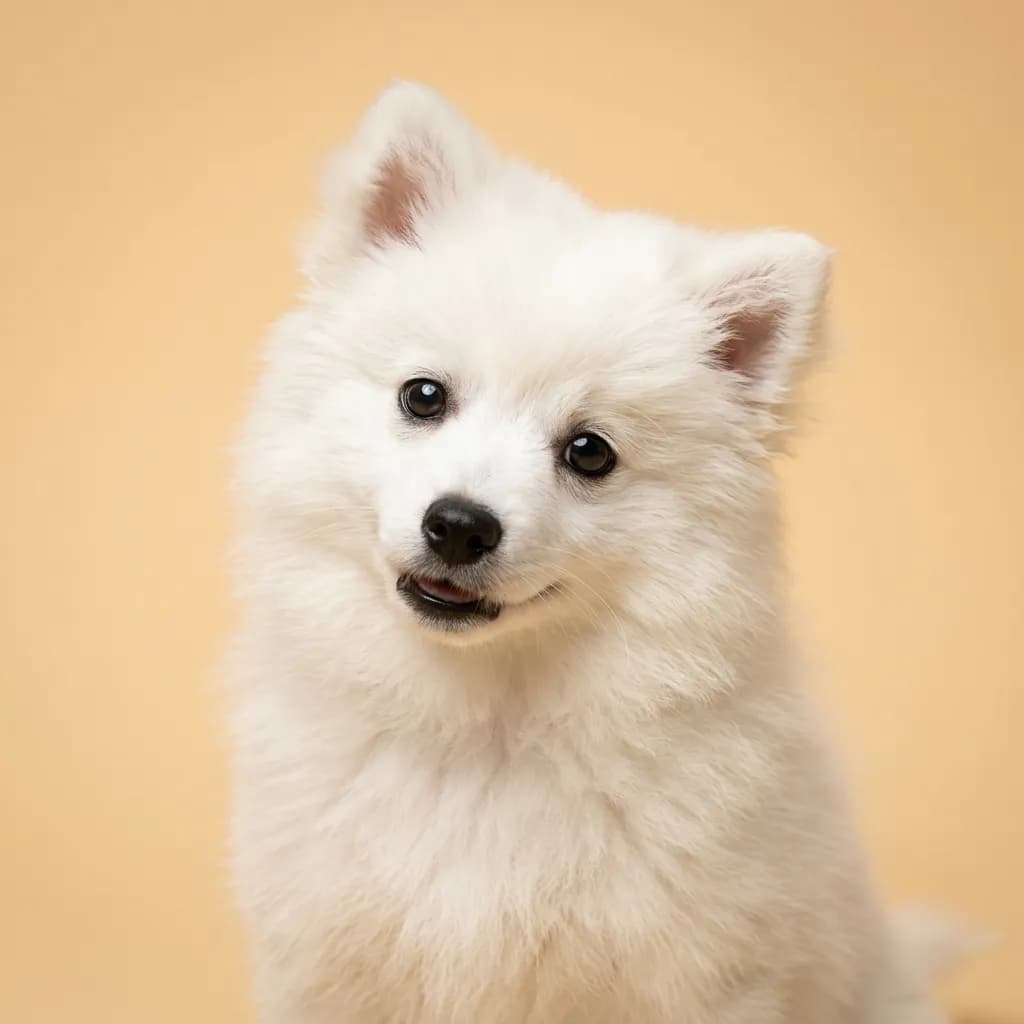
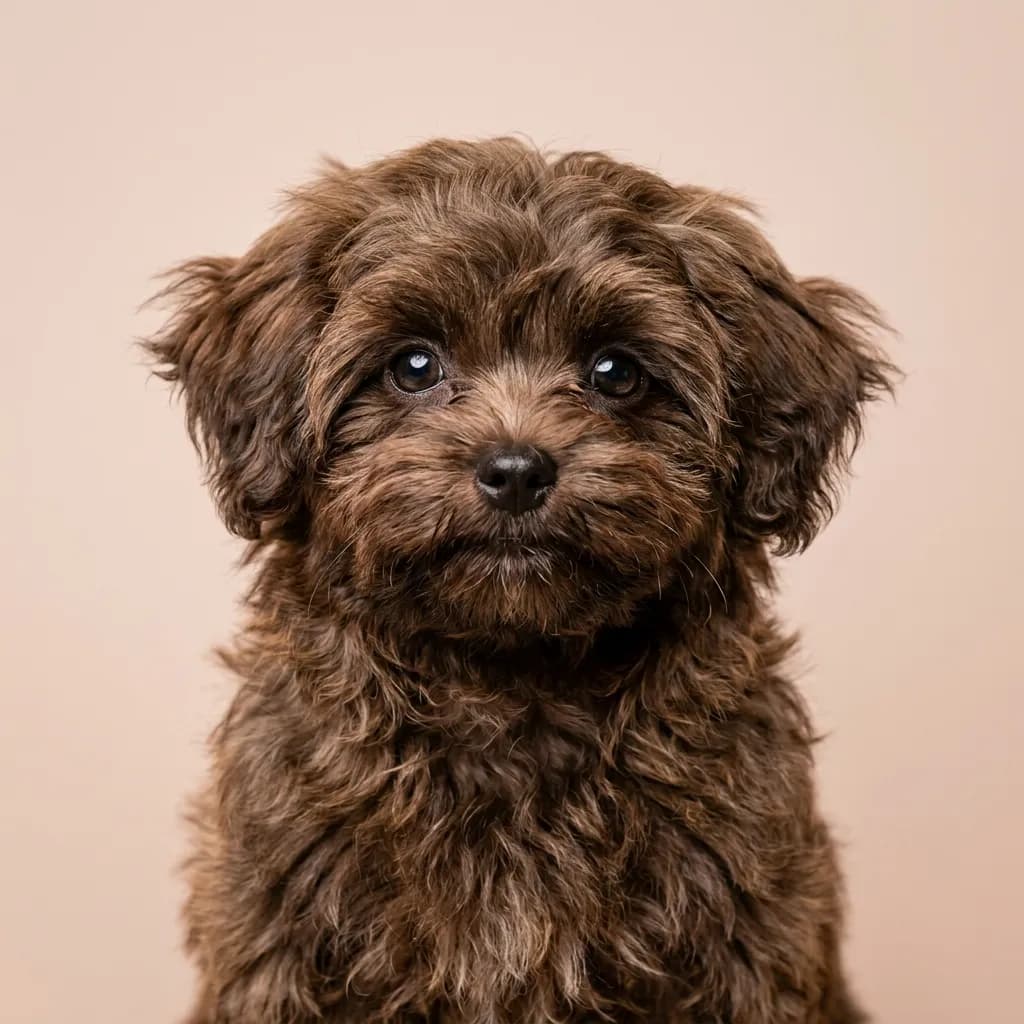
People usually end up comparing the American Eskimo Dog and the Russian Tsvetnaya Bolonka because both are small, fluffy, and look like they belong in a snowglobe. They’ve got that bright-eyed, alert expression and a coat that screams “pet me,” so it’s easy to assume they’re similar. But spend a week with each and you’ll realize they’re built for entirely different lives. The American Eskimo is the more robust of the two. energetic, loud when needed, and thriving on activity. At 35 pounds max, they’re stocky for their height and built for cold weather, which makes sense given their circus-performer roots and love of tricks and games. They bond deeply with families and are fantastic with kids, but they demand time. Grooming isn’t optional, and neither is daily mental and physical exercise. Skip it and you’ll get a bored dog with a bark. The Bolonka, under 11 pounds and with a silky, low-shedding coat, is a city dweller’s dream. Bred as a companion in Soviet apartments, they adapt to tiny spaces and irregular schedules better than almost any breed. They’re affectionate and clever, but more content to follow you from room to room than drag you on hikes. They do bark. sometimes a lot. but it’s usually to comment on life, not alert the neighborhood. Here’s the real difference: the Eskimo wants to be your teammate. The Bolonka wants to be your shadow. If you’re active, have kids, and love dog sports, go Eskimo. If you live in an apartment, work from home, or want a velcro dog that won’t shed on your couch, the Bolonka fits like a glove. Just know this. both look delicate, but the Bolonka is far more fragile. That tiny frame means no rough play, not even with well-meaning toddlers. They’re not toys. Treat them gently, and they’ll love you fiercely.
Trait-by-trait
Higher bar = more of that trait. Shedding, barking, drooling, grooming flipped for readability.Where they diverge
Choose the American Eskimo Dog if…
- Families
- Active people
- Cold climates
- You value good with young children — American Eskimo Dog scores noticeably higher.
Choose the Russian Tsvetnaya Bolonka if…
- Apartment living
- Seniors
- Families with gentle children
- You value playfulness — Russian Tsvetnaya Bolonka scores higher here.