Russian Tsvetnaya Bolonka
A little-known Soviet-era lapdog developed when importing foreign breeds was restricted — resourceful origins for a charming result. Affectionate, playful, and adaptable, they're genuinely good apartment dogs that don't require much exercise and thrive on human company. They can develop separation anxiety if left alone too often, so this is a breed for people who want a dog that's truly with them.
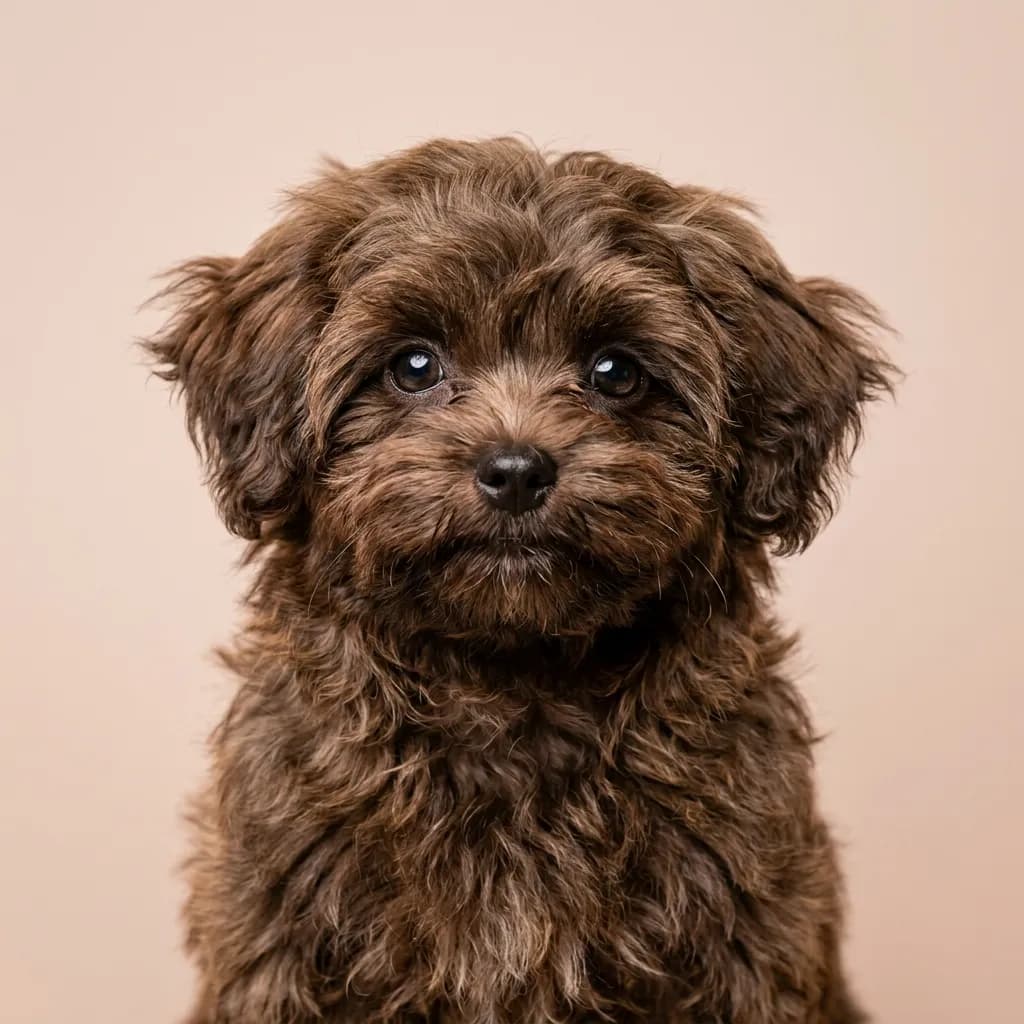
Free weekly training plan, specific to your Russian Tsvetnaya Bolonka’s age. Exactly what to focus on this week.
Get your free training planLiving with a Russian Tsvetnaya Bolonka
The Russian Tsvetnaya Bolonka isn’t just a pretty face with a hard-to-pronounce name. This little companion was bred in the Soviet Union specifically to be a lapdog for the elite, and that purpose still echoes in every wavy, hypoallergenic curl. Officially in the AKC’s Foundation Stock Service, this 4.5 to 11 pound breed stands under 10 inches tall but carries a presence far bigger than its size suggests.
Think of them as the charming, slightly dramatic friend who knows exactly how to get your attention, and keep it. Day to day, you’ll find them shadowing you from room to room, chirping at squirrels through the window, and offering a warm, velvety body the moment you sit down. They’re playful and inquisitive, not hyper, with an energy level that lands comfortably at 3 out of 5.
A couple of short walks and some indoor playtime will satisfy them. Don’t expect a hiking buddy, but do expect a dog who wants to be involved in everything you do. If you’re gone for long stretches, they won’t cope well, separation anxiety is real with this breed.
Grooming isn’t optional. It’s a commitment. Their low-shedding, 1/5 shedding coat is a dream for allergy sufferers, but it mats easily.
You’re looking at brushing every other day and professional grooming every 6 to 8 weeks, no exceptions. Skip it, and you’ll be cutting out painful tangles with scissors. Health-wise, they’re generally solid for a small breed, living 12 to 16 years, but keep an eye on patellar luxation, progressive retinal atrophy, and dental disease, start brushing those tiny teeth early.
Hip dysplasia can occur too, despite their size. They’re perfect for seniors, apartment dwellers, and families with older, gentle kids. Not ideal if you want a dog to train for agility or if you travel often.
And here’s the truth no one says: this isn’t a “beginner” dog just because it’s small. Their need for attention and grooming makes them better for owners who’ve got time, patience, and a soft spot for divas. They’re not low-maintenance, but if you want a velcro dog who’s equal parts clown and cuddler, they’re unmatched.
14 traits, at a glance.
Every breed on PuppyBase is rated across the 14 trait dimensions the American Kennel Club publishes — from trainability to drooling level. The higher the score, the better the fit for that trait.
What to expect day-to-day
Things to screen for
- Progressive retinal atrophy
- Patellar luxation
- Dental disease
- Heart disease
- Hip dysplasia
See a full price breakdown — first-year costs, lifetime estimate, breeder vs. adoption.
Full price guideSimilar breeds
Browse all 200+
Common questions
How long do Russian Tsvetnaya Bolonkas live?
Russian Tsvetnaya Bolonkas typically live between 12 and 16 years, which is a solid lifespan for a small dog breed.
How much does a Russian Tsvetnaya Bolonka puppy cost?
You can expect to pay between $1,500 and $4,000 for a Russian Tsvetnaya Bolonka puppy, with an average price around $2,500 due to their rarity and specialty breeding.
How much do Russian Tsvetnaya Bolonkas shed?
They shed very little, thanks to their long wavy coat and low shedding tendencies, making them a strong choice for people sensitive to dog hair.
What colors do Russian Tsvetnaya Bolonkas come in?
These dogs come in black, brown, gray, red, and wolf sable—solid or blended, all with a soft, colorful finish that stands out.
How big do Russian Tsvetnaya Bolonkas get?
They're small dogs, standing 9 to 10 inches tall and weighing between 4.5 and 11 pounds, about the size of a sturdy house cat.
Are Russian Tsvetnaya Bolonkas smart?
Yes, they're quite intelligent and respond well to training, picking up new commands quickly and thriving on mental interaction with their people.
Are Russian Tsvetnaya Bolonkas hypoallergenic?
Yes, they're considered hypoallerg游戏副本enic due to their low shedding and wavy coat, making them a solid option for many allergy sufferers.
Are Russian Tsvetnaya Bolonkas aggressive?
No, they're not aggressive by nature. They're playful and charming, though they can be alert and bark at strangers, which is more excitement than hostility.
What health problems are common in Russian Tsvetnaya Bolonkas?
Common issues include patellar luxation, progressive retinal atrophy, dental disease, hip dysplasia, less commonly, heart disease—so regular vet checks are important.
Do Russian Tsvetnaya Bolonkas bark a lot?
Yes, they tend to bark frequently, especially when excited or when someone approaches, so early training helps manage their vocal tendencies.
Are Russian Tsvetnaya Bolonkas easy to train?
They're highly trainable, picking up commands quickly and responding well to positive reinforcement, especially when training includes plenty of interaction.
Are Russian Tsvetnaya Bolonkas good family dogs?
They can be good family dogs, especially with gentle older children, but they're better suited to calm households that understand small dog sensitivities.
Are Russian Tsvetnaya Bolonkas good with cats?
They usually get along with cats, especially when raised together, though their playful curiosity might initially surprise a more reserved feline.
Can Russian Tsvetnaya Bolonkas live in apartments?
Absolutely, they're ideal for apartment living because they don't need much space or exercise and adapt well to indoor life as long as they're with their people.
Are Russian Tsvetnaya Bolonkas good first dogs?
Yes, they're a solid choice for first-time owners who want a trainable, affectionate companion, as long as you're ready for regular grooming and companionship demands.
Do Russian Tsvetnaya Bolonkas need a lot of grooming?
Yes, their long wavy coat requires brushing several times a week to prevent tangles and professional grooming every few months to keep it in top condition.
Not sure which breed fits your life?
Answer five questions about your home, your schedule, and your tolerance for shedding. We’ll match you to your top three breeds from over 200.