American Eskimo Dog vs Sealyham Terrier
Side-by-side comparison across all 14 AKC trait ratings, with a clear verdict on which breed fits which kind of household.
Not sure which breed fits your life?
Answer five questions about your home, your schedule, and your tolerance for shedding. We’ll match you to your top three breeds from over 200.
American Eskimo Dog vs Sealyham Terrier
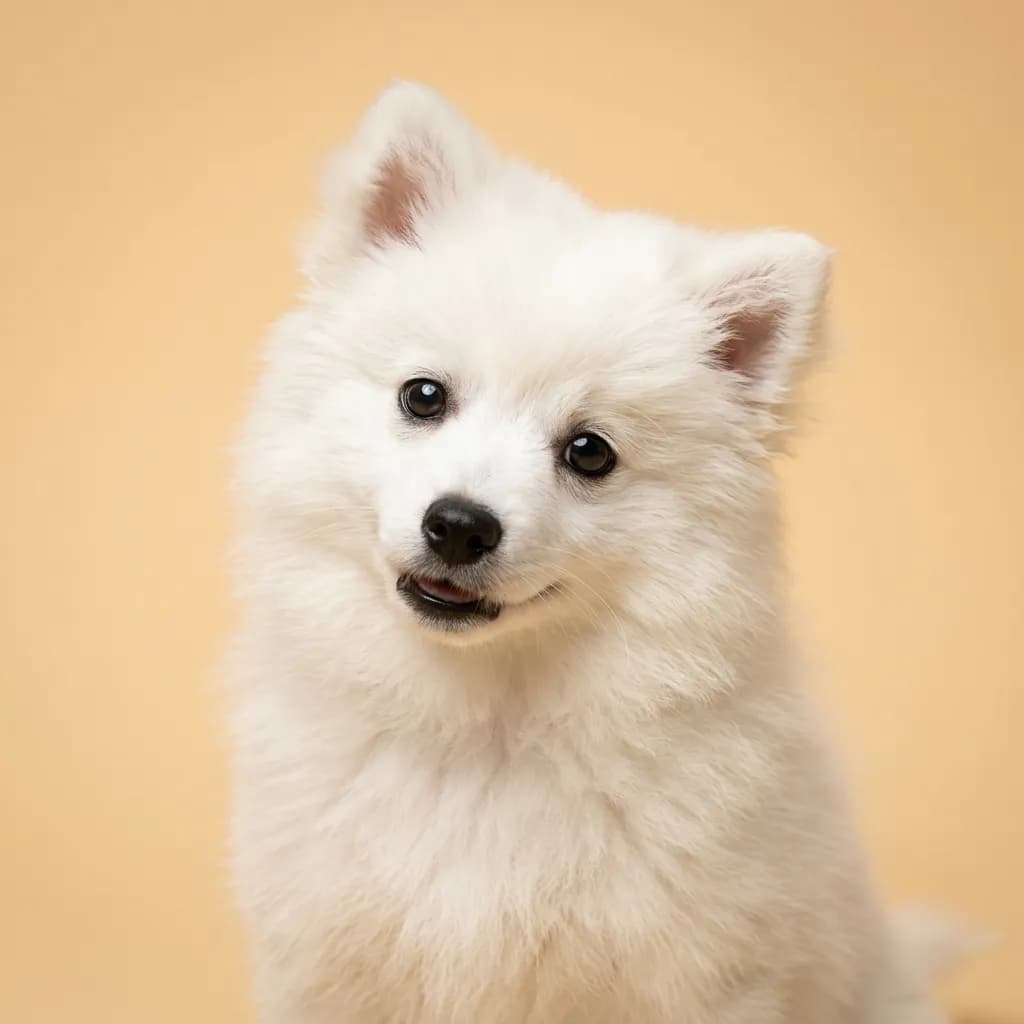
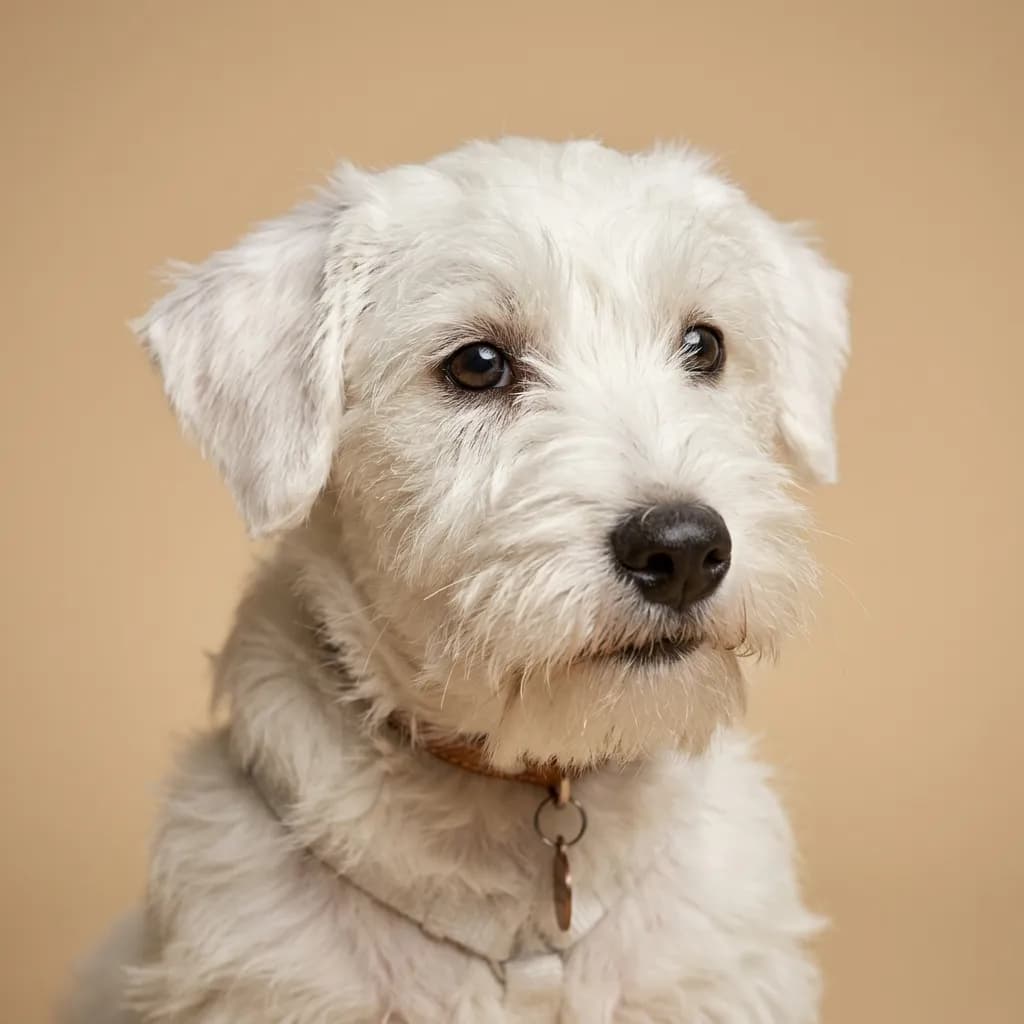
People don’t usually pit the American Eskimo Dog against the Sealyham Terrier, but when they do, it’s usually because they’re looking for a small-to-medium, white, fluffy dog with personality to spare. Both are spirited, loyal, and pack a surprising amount of dog into a compact frame. But that’s where the similarities ice over. The American Eskimo is the extroverted class clown with a circus soul. Bred to perform, they thrive on attention, movement, and interaction. They’ll learn tricks in a heartbeat, keep the kids endlessly entertained, and bark at the mail carrier like it’s their job. which, historically, it kind of was. You’ll need time for daily walks, training games, and brushing that thick double coat, especially if you live where it’s warm. They’re not lazy lap dogs, even if they look the part. If you’re active and home often, they’re golden. If you’re gone all day or can’t handle shedding, think again. The Sealyham, on the other hand, is the dry-witted Welshman who’s affectionate on his terms. He’s game for a walk but just as happy snoozing on the couch with you. Don’t be fooled by the calm demeanor. he’s still a terrier with a nose for trouble and a bark that punches above his weight. He’s better for adults or homes with older kids who respect his boundaries. And while he needs grooming, it’s not shedding. it’s hand-stripping or clipping to keep that weatherproof coat tidy. Here’s the real talk: the Eskimo wants to be your shadow. The Sealyham wants to be your equal. Pick based on whether you want a co-star or a companion.
Trait-by-trait
Higher bar = more of that trait. Shedding, barking, drooling, grooming flipped for readability.Where they diverge
Choose the American Eskimo Dog if…
- Families
- Active people
- Cold climates
- You value good with young children — American Eskimo Dog scores noticeably higher.
Choose the Sealyham Terrier if…
- Apartment living
- Seniors
- Those wanting a less active terrier
- You value watchdog / protective — Sealyham Terrier scores higher here.