American Eskimo Dog vs Silky Terrier
Side-by-side comparison across all 14 AKC trait ratings, with a clear verdict on which breed fits which kind of household.
Not sure which breed fits your life?
Answer five questions about your home, your schedule, and your tolerance for shedding. We’ll match you to your top three breeds from over 200.
American Eskimo Dog vs Silky Terrier
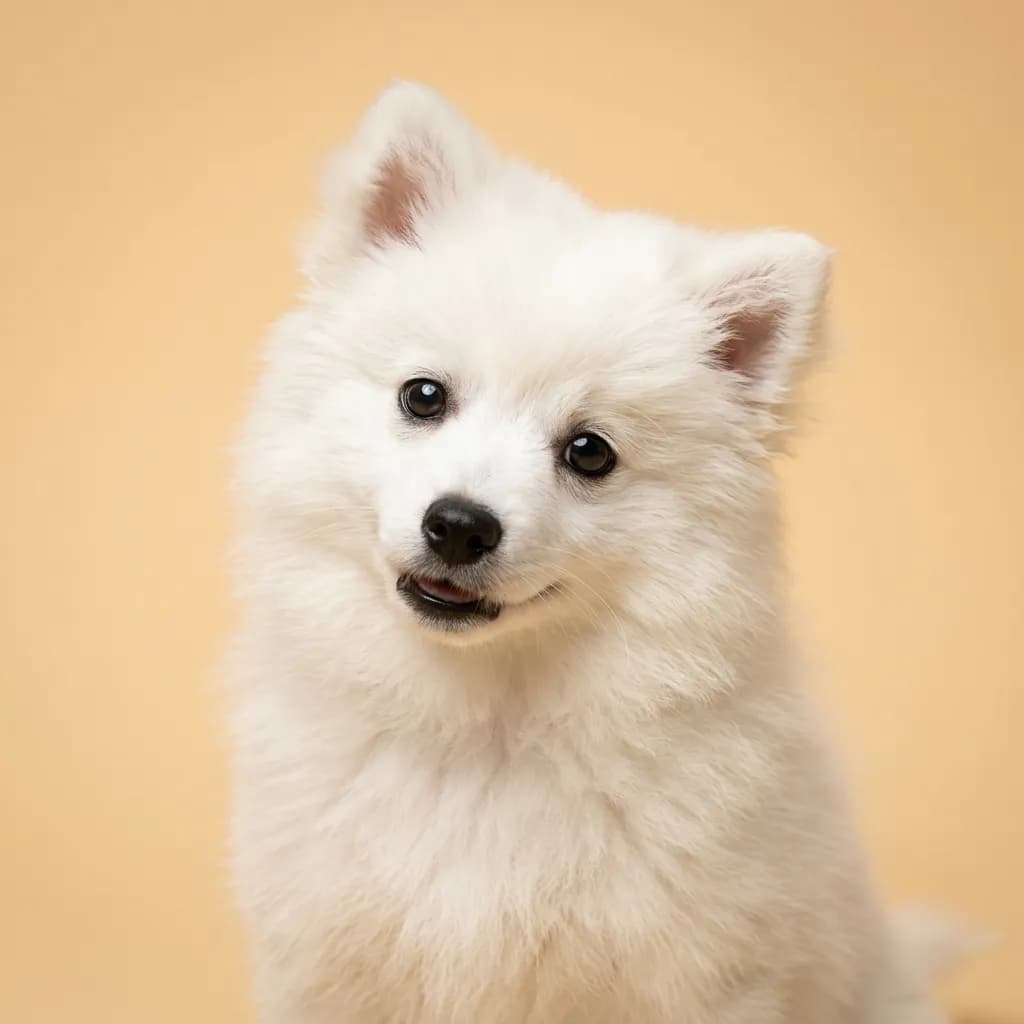
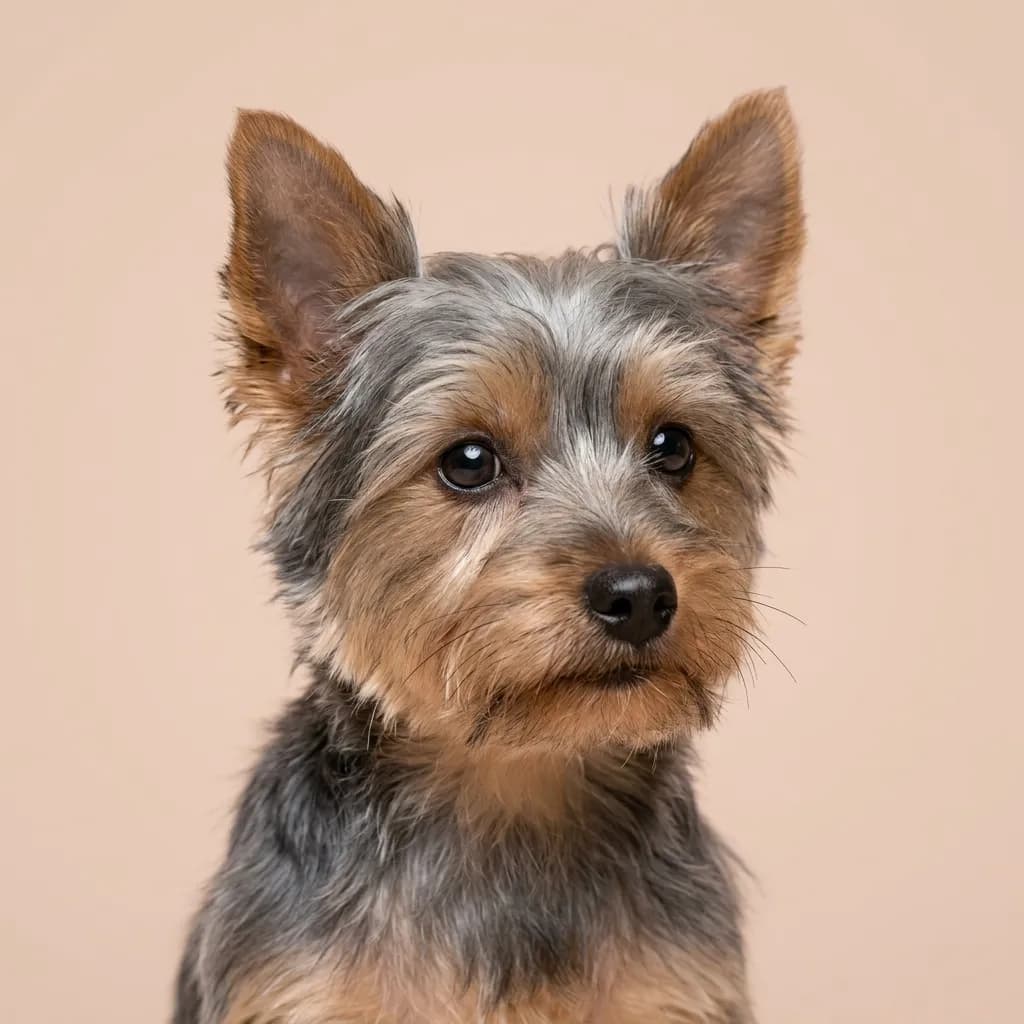
You’re probably comparing these two because they’re small, fluffy, and look like they belong in a tote bag. But beyond the coat and size overlap, they’re built for different lives. The American Eskimo Dog is the cheerful snowball from the Midwest, bred to dazzle under circus tents and bark at anything that moves. The Silky Terrier is the feisty little shadow from Australia, originally tasked with hunting rats but who ended up excelling at napping on your lap. after a proper patrol of the backyard. Here’s where it matters: energy and attitude. The Eskie is a full-throttle companion. They’re brilliant at dog sports, adore kids, and thrive in cold climates, but they need daily mental and physical work. Skip a walk or skip training, and you’ll get counter surfing or nuisance barking. Their thick white coat? Gorgeous, but it’s a twice-weekly brushing job minimum, more during shedding season. The Silky is sleeker, literally and figuratively. Less fluff, less shedding, but still high on affection. They’re alert to a fault. great for apartment living because they’re small, but not ideal if you hate barking at mail carriers. They bond deeply with one or two people and can be wary with kids or other pets, especially tiny ones they might view as prey. Families or active folks in cooler areas? Go Eskie. Singles or couples in cities who want a loyal, low-shedding companion with terrier spark? Silky’s your match. Here’s the truth the charts won’t tell you: the Eskie wants to be part of your whole life. The Silky wants to be your only focus. Pick based on who you really are. not who you wish you were.
Trait-by-trait
Higher bar = more of that trait. Shedding, barking, drooling, grooming flipped for readability.Where they diverge
Choose the American Eskimo Dog if…
- Families
- Active people
- Cold climates
- You value good with young children — American Eskimo Dog scores noticeably higher.
Choose the Silky Terrier if…
- Apartment living
- Active owners despite small size
- Those wanting a long-coated but manageable breed
- You value watchdog / protective — Silky Terrier scores higher here.