American Eskimo Dog vs Spanish Mastiff
Side-by-side comparison across all 14 AKC trait ratings, with a clear verdict on which breed fits which kind of household.
Not sure which breed fits your life?
Answer five questions about your home, your schedule, and your tolerance for shedding. We’ll match you to your top three breeds from over 200.
American Eskimo Dog vs Spanish Mastiff
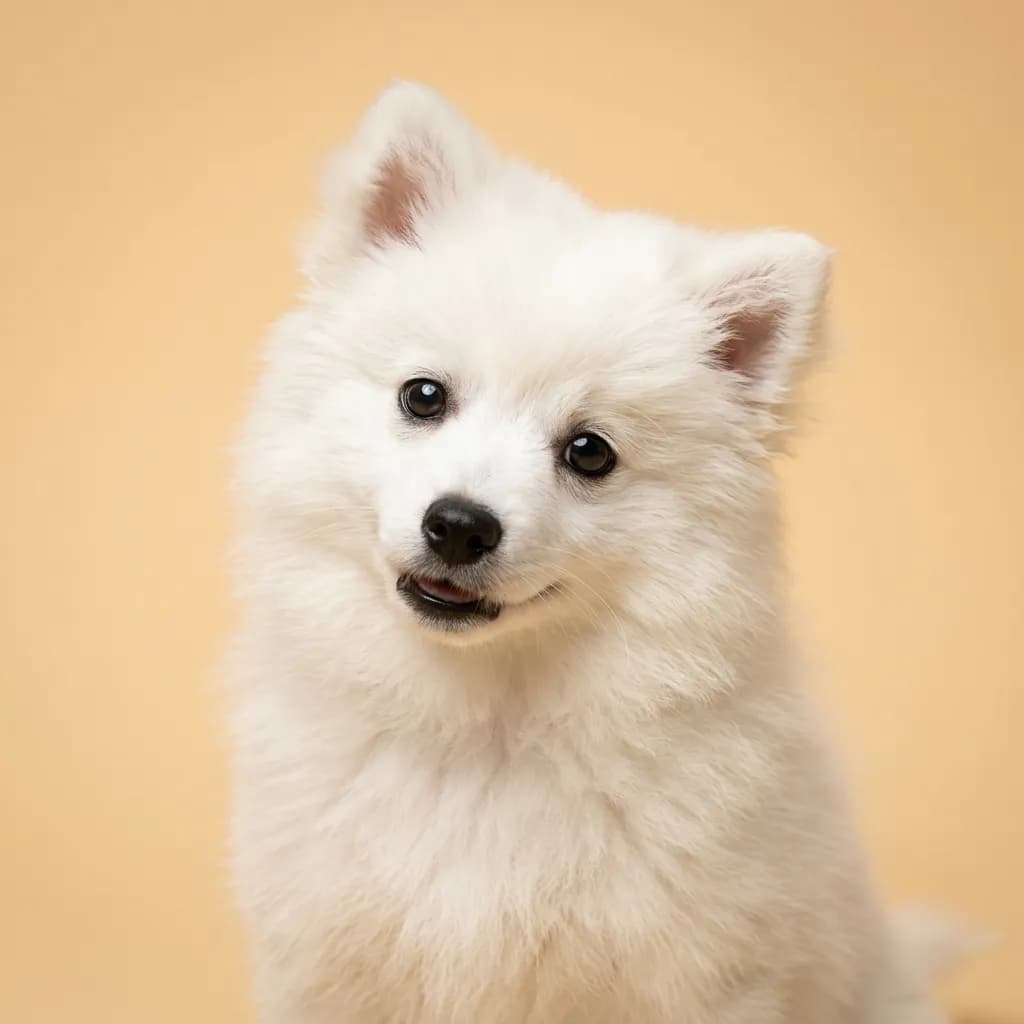
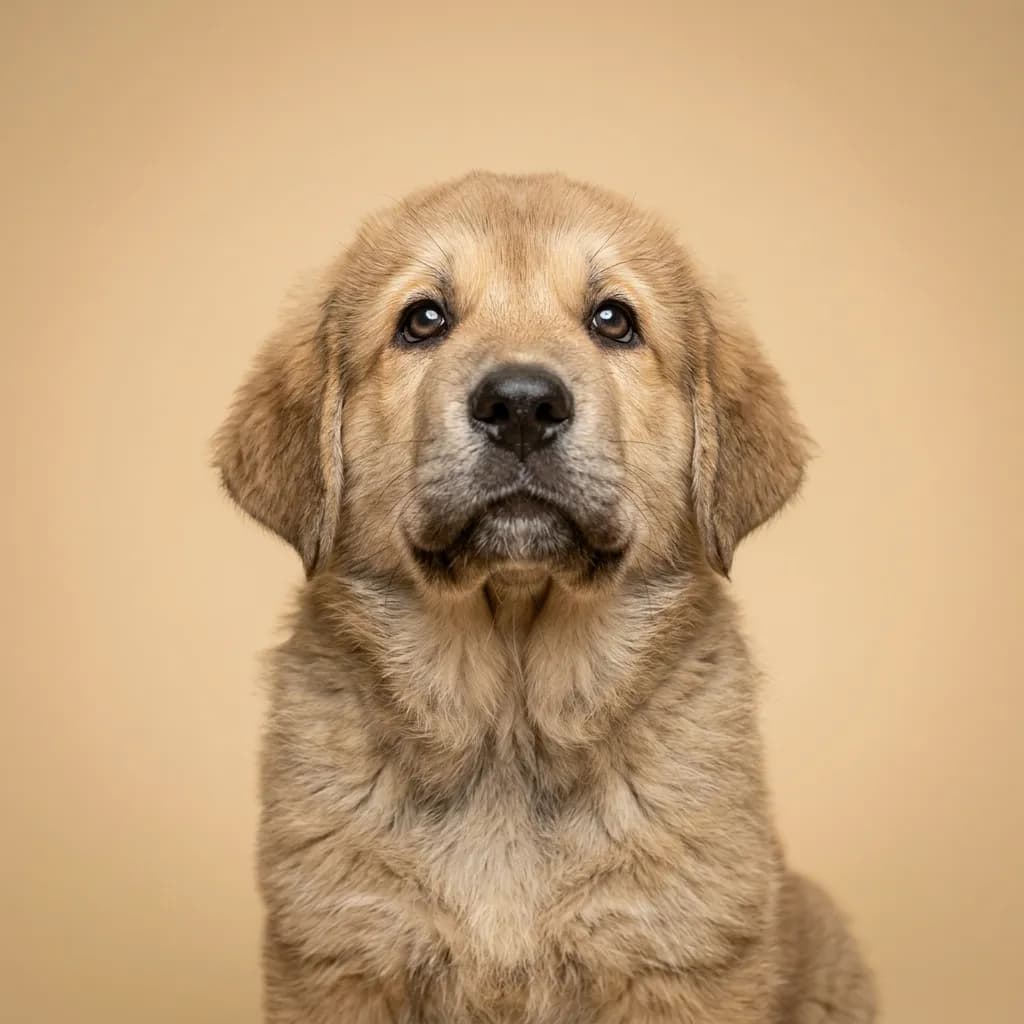
People rarely compare these two unless they’re deep in the “what dog actually fits my life” rabbit hole. One’s a fluffy white firecracker that could live in a studio apartment. The other is a mountain of muscle that needs its own ZIP code. But both are loyal, both are smart in their own way, and both have that “guardian” instinct. just on wildly different scales. The American Eskimo Dog is the dog you take to dog parks, agility classes, or your sister’s birthday party. It’s alert, it’s goofy, it bonds hard with kids, and it’ll learn a trick in ten minutes. You’ll spend time brushing it twice a week and watching it bark at squirrels, but it adapts whether you live in Minnesota or Maine. It’s not built for heat, and it won’t sit still all day. this is a dog that wants to do. The Spanish Mastiff? This is not a dog you buy on impulse. It’s bred to walk hundreds of miles with sheep, face down wolves, and stand its ground. Calm, imposing, and deeply loyal to its family, it’s not the backyard barker. But it’s massive. 150 pounds is normal. and that means space, food, and a plan for bloat. It won’t thrive in a city, with inexperienced owners, or anyone who can’t handle the logistics of a dog that needs a big yard, a strong fence, and a confident handler. Here’s the real talk: the American Eskimo wants to be your best friend. The Spanish Mastiff sees itself as your property’s sovereign ruler. One fits in your life. The other reshapes your life around it. Pick the Eskie if you want energy and charm. Pick the Mastiff only if you’re ready for a responsibility that borders on stewardship.
Trait-by-trait
Higher bar = more of that trait. Shedding, barking, drooling, grooming flipped for readability.Where they diverge
Choose the American Eskimo Dog if…
- Families
- Active people
- Cold climates
- You value good with young children — American Eskimo Dog scores noticeably higher.
Choose the Spanish Mastiff if…
- Experienced large-breed owners
- Farm or rural settings
- Livestock guardian needs
- You value drooling level — Spanish Mastiff scores higher here.