American Eskimo Dog vs Sussex Spaniel
Side-by-side comparison across all 14 AKC trait ratings, with a clear verdict on which breed fits which kind of household.
Not sure which breed fits your life?
Answer five questions about your home, your schedule, and your tolerance for shedding. We’ll match you to your top three breeds from over 200.
American Eskimo Dog vs Sussex Spaniel
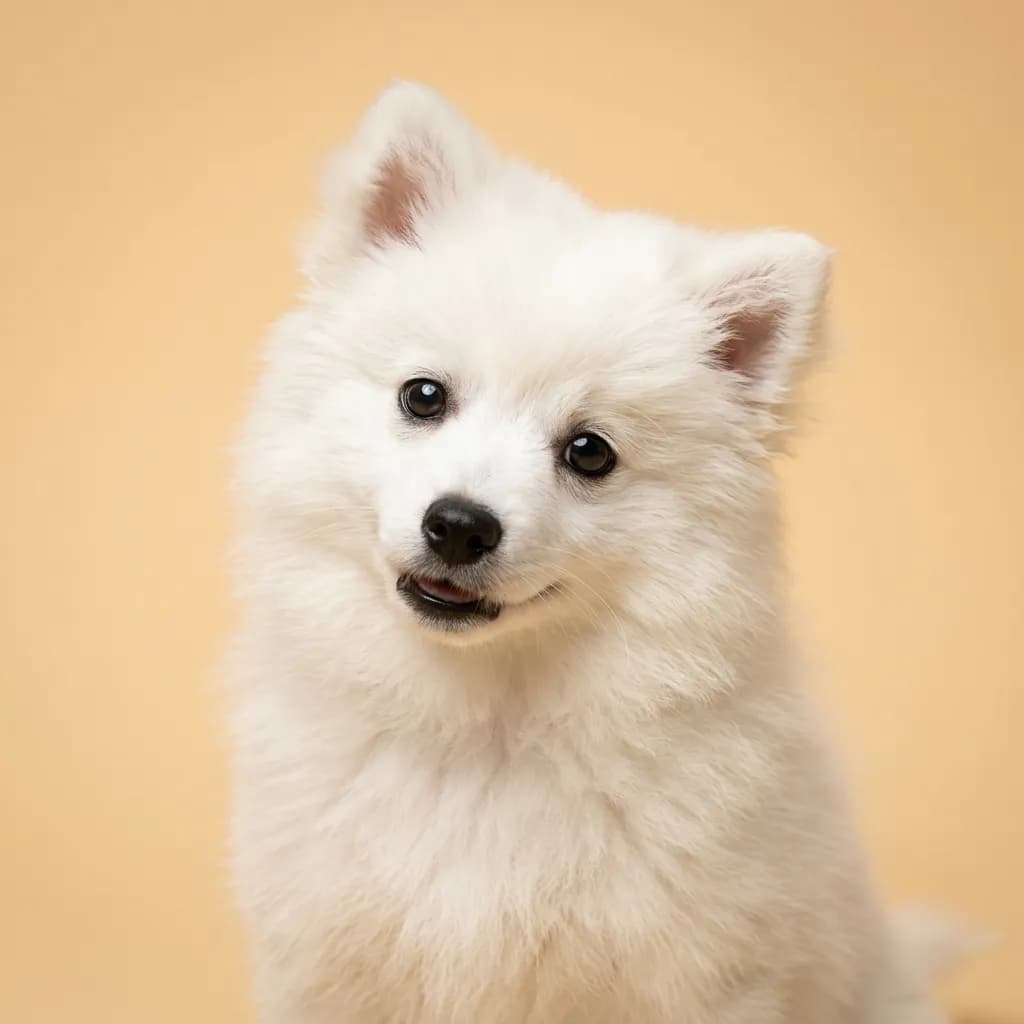
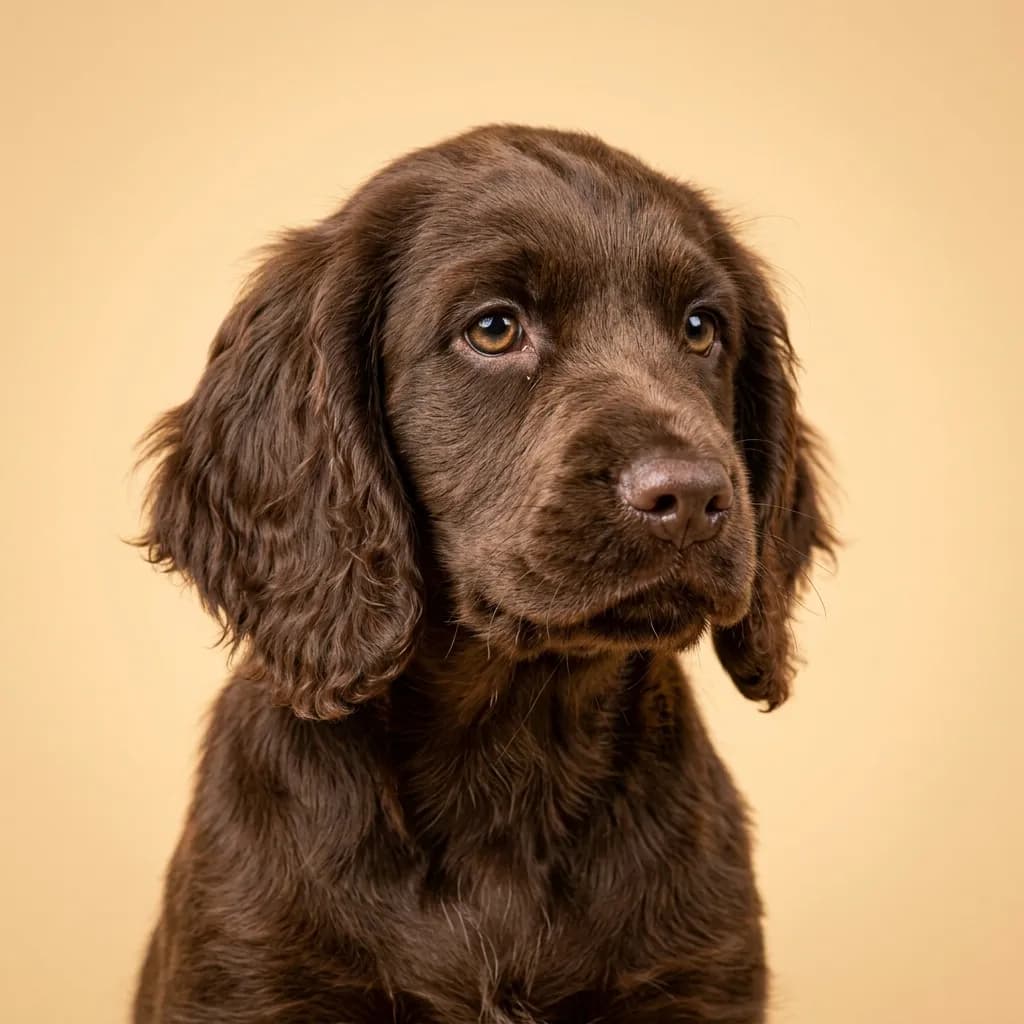
You’re not going to see these two side by side at the dog park every day, but when people compare the American Eskimo Dog and the Sussex Spaniel, it’s usually because they want a loyal, medium-to-small family dog with a little personality. and they don’t realize just how different their rhythms are. One’s a spark plug, the other a steady heartbeat. The American Eskimo Dog is that bright-eyed, feisty little comedian who’ll learn tricks in half an hour and remind you it’s walk time. exactly on schedule. They’re affectionate to a fault, great with kids, and surprisingly tough in cold weather. But they need activity, mental engagement, and someone who doesn’t mind brushing out their thick white coat weekly. If you’re into agility or just love a dog that’s always on, this is your guy. The Sussex Spaniel? Total opposite energy. He’s the dog that wags his whole body when you come home, but at half speed. Bred to plod through wet brambles in England, he’s built low and solid, with a golden liver coat and ears that collect mud. and infections. like trophies. He’s calm, deeply affectionate, and patient, but slower to warm to kids and less eager to perform. He’s not lazy, but he’s not racing you to the next trail marker either. Here’s the real insight: the Eskimo thrives on interaction and routine, while the Sussex just wants to be near you. even if he’s napping. If your life moves quickly, go Eskimo. If you want a dog that matches a slower, quieter heartbeat, the Sussex might just be the rare, steady companion you didn’t know you needed.
Trait-by-trait
Higher bar = more of that trait. Shedding, barking, drooling, grooming flipped for readability.Where they diverge
Choose the American Eskimo Dog if…
- Families
- Active people
- Cold climates
- You value good with young children — American Eskimo Dog scores noticeably higher.
Choose the Sussex Spaniel if…
- Moderately active owners
- Hunters in dense cover
- Families with children
- You value drooling level — Sussex Spaniel scores higher here.