American Foxhound vs Keeshond
Side-by-side comparison across all 14 AKC trait ratings, with a clear verdict on which breed fits which kind of household.

Not sure which breed fits your life?
Answer five questions about your home, your schedule, and your tolerance for shedding. We’ll match you to your top three breeds from over 200.
American Foxhound vs Keeshond
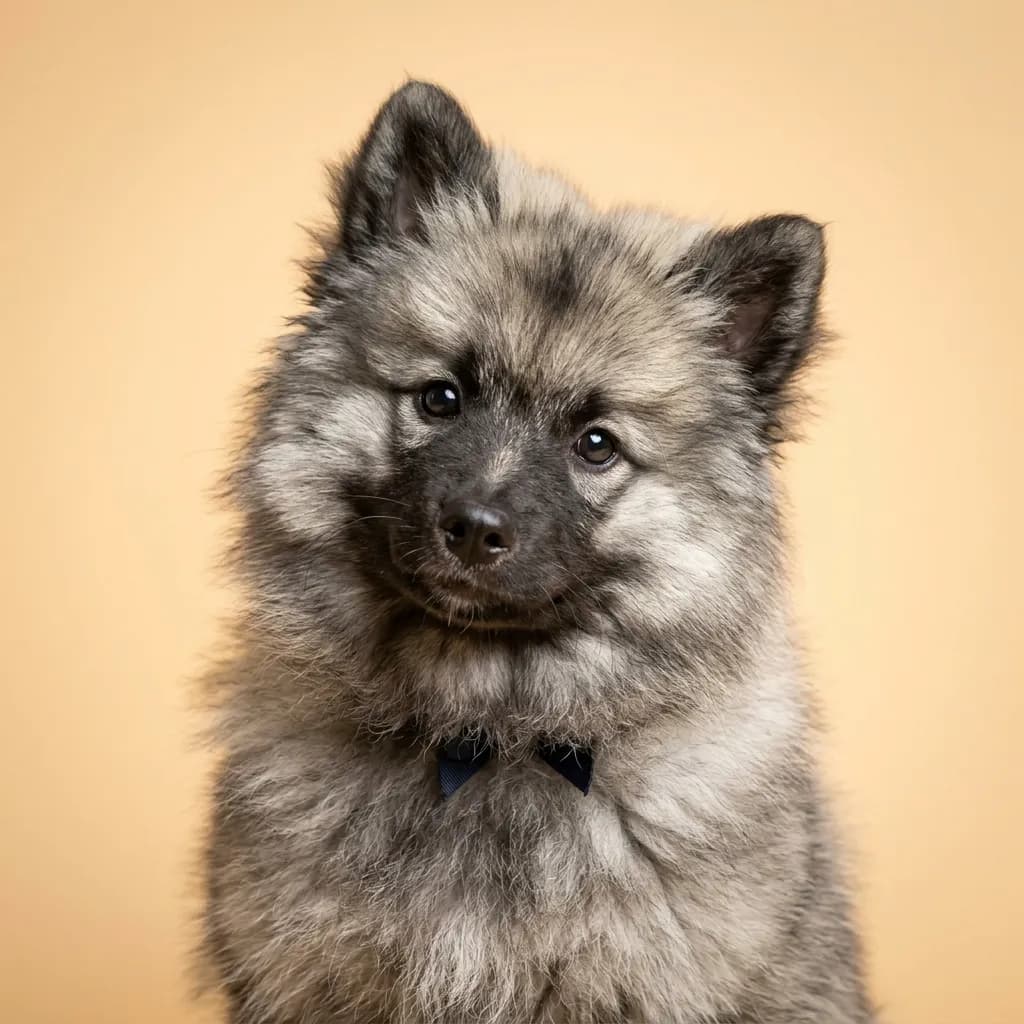
You’re not really comparing these two because they look alike. You’re comparing them because someone told you both are friendly, medium-to-large dogs that get along with kids. But that’s where the overlap ends. Think of it like choosing between a marathon runner and a cozy book club host. they serve entirely different roles in a home. The American Foxhound was built for open fields and fox chases at full gallop. These dogs live to run, and they’ll vocalize about it. loudly. Their baying isn’t occasional; it’s part of their language. If you live in an apartment or value quiet evenings, this isn’t your dog. They’re sweet and even-tempered, but they’re not overly clingy. They’ll love you from a slight distance, probably while sniffing something miles away. They do best with active owners who have space and ideally, another dog to keep them company. Training is a challenge because their nose often overrules their ears. The Keeshond, on the other hand, is the furry, smiling companion who wants to be in the middle of everything. Bred to guard barges, they’re alert, expressive, and deeply bonded to their people. They thrive on routine, affection, and mental engagement. They’re easier to train, more adaptable to city life, and they actually enjoy being close. But don’t be fooled by the plush coat. they shed year-round and need regular grooming, especially in warm climates where they can overheat. Here’s the real difference no chart captures: the Foxhound will follow a scent and forget you exist. The Keeshond will look you in the eye and “talk” you through dinner prep. Choose the Foxhound if you want an independent athlete with old-school charm. Choose the Keeshond if you want a furry therapist who happens to bark at the mailman.
Trait-by-trait
Higher bar = more of that trait. Shedding, barking, drooling, grooming flipped for readability.Where they diverge
Choose the American Foxhound if…
- Active people
- Rural homes
- Hunters
- You value barking level — American Foxhound scores noticeably higher.
Choose the Keeshond if…
- Families with children
- Active owners
- Cold climates
- You value affectionate w/ family — Keeshond scores higher here.