American Hairless Terrier vs Norwegian Lundehund
Side-by-side comparison across all 14 AKC trait ratings, with a clear verdict on which breed fits which kind of household.
Not sure which breed fits your life?
Answer five questions about your home, your schedule, and your tolerance for shedding. We’ll match you to your top three breeds from over 200.
American Hairless Terrier vs Norwegian Lundehund
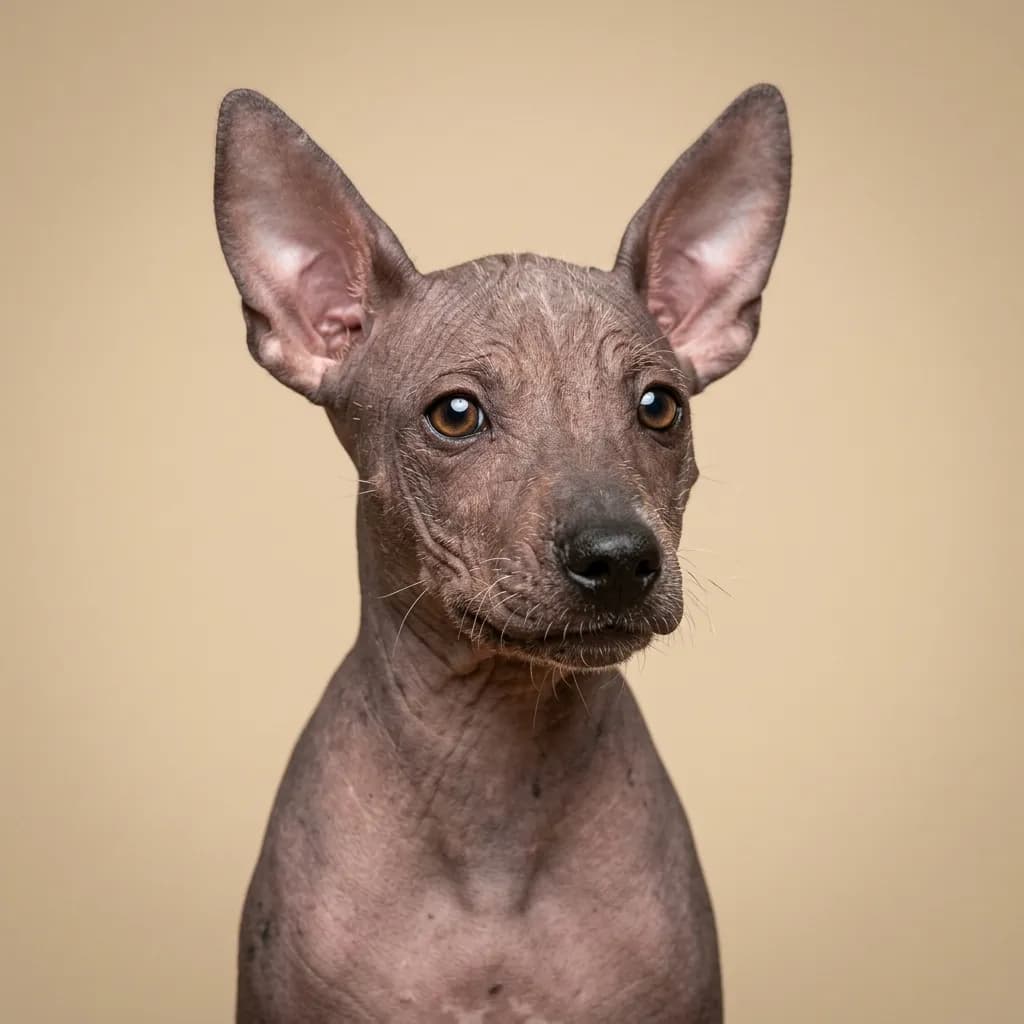
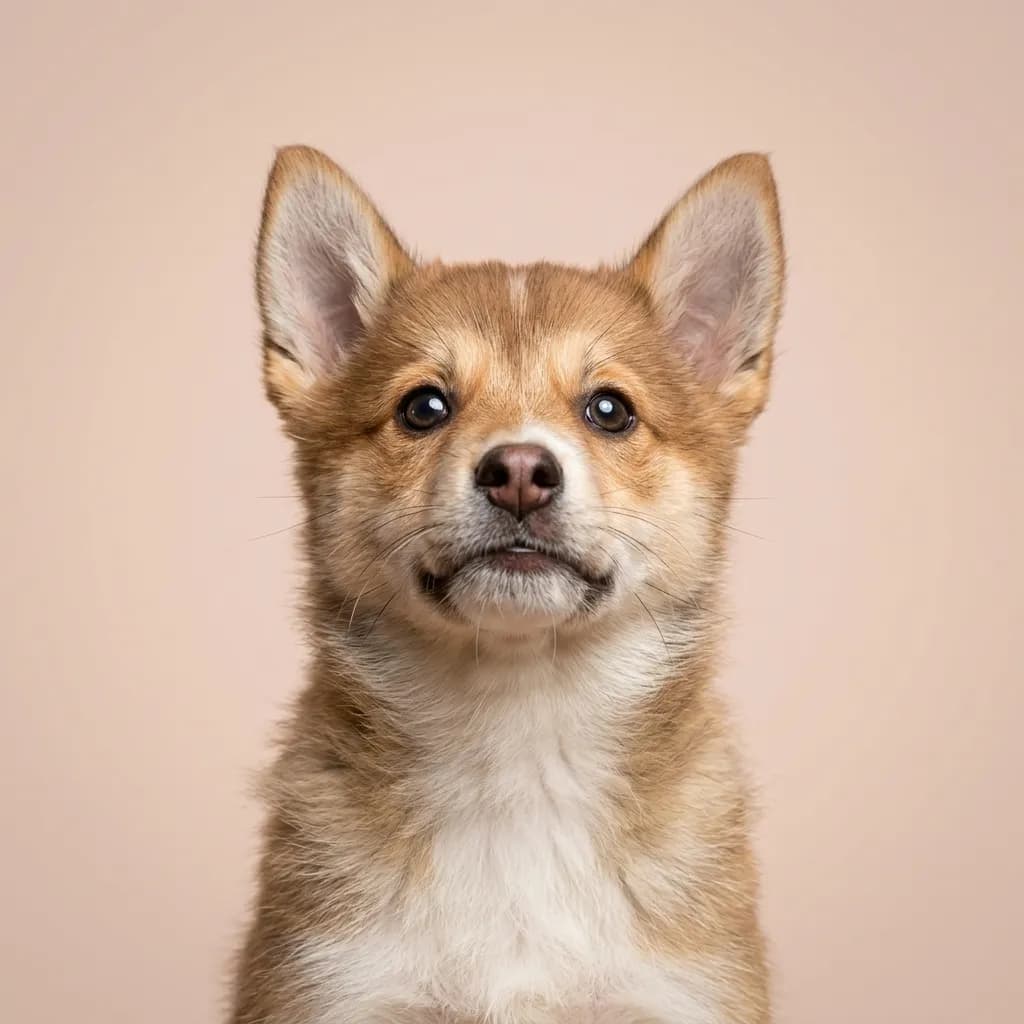
You’re probably comparing these two because they’re both rare, medium-small dogs with a quirky edge and zero common sense about personal space. One’s a naked little goofball from Louisiana bayous, the other’s a six-toed, double-jointed arctic explorer from a nearly extinct bloodline. But that’s where the similarities end. The American Hairless Terrier is the dog you didn’t know you needed if you’re allergic but still want a lap warmer with opinions. It’s smart, eager to please, and will learn tricks faster than you can film them. It thrives in apartments, adores kids, and wants to be involved in every decision you make. But leave it in the sun too long and you’ll need doggy sunscreen. yes, really. It’s low-shedding, yes, but its skin needs care like a high-maintenance houseplant. The Norwegian Lundehund? This dog is a walking evolutionary accident. Six toes, ears that fold shut, and the ability to bend its head backward to touch its spine. It was built to wriggle into cliffside crevices to catch seabirds, and it still acts like it’s dodging avalanches. It’s not stubborn so much as deeply independent. Training is possible but feels like negotiation. It’s not ideal for families with young kids or anyone who wants a predictable companion. And its gut is fragile. Lundehund Syndrome means diet management is lifelong, not optional. Pick the Hairless Terrier if you want a loyal, adaptable, affectionate sidekick who won’t shed on your couch. Pick the Lundehund only if you’re an experienced owner ready for a project dog with a fragile digestive system and a personality like a feral scholar. Here’s the real talk: the Lundehund isn’t just rare because it’s old. It’s rare because most people can’t handle the upkeep. It’s not a pet. It’s a conservation effort with fur.
Trait-by-trait
Higher bar = more of that trait. Shedding, barking, drooling, grooming flipped for readability.Where they diverge
Choose the American Hairless Terrier if…
- Allergy sufferers
- Apartment dwellers
- Active people
- You value affectionate w/ family — American Hairless Terrier scores noticeably higher.
Choose the Norwegian Lundehund if…
- Experienced dog owners
- Those interested in rare breeds
- Active families
- You value shedding level — Norwegian Lundehund scores higher here.