American Hairless Terrier vs Papillon
Side-by-side comparison across all 14 AKC trait ratings, with a clear verdict on which breed fits which kind of household.
Not sure which breed fits your life?
Answer five questions about your home, your schedule, and your tolerance for shedding. We’ll match you to your top three breeds from over 200.
American Hairless Terrier vs Papillon
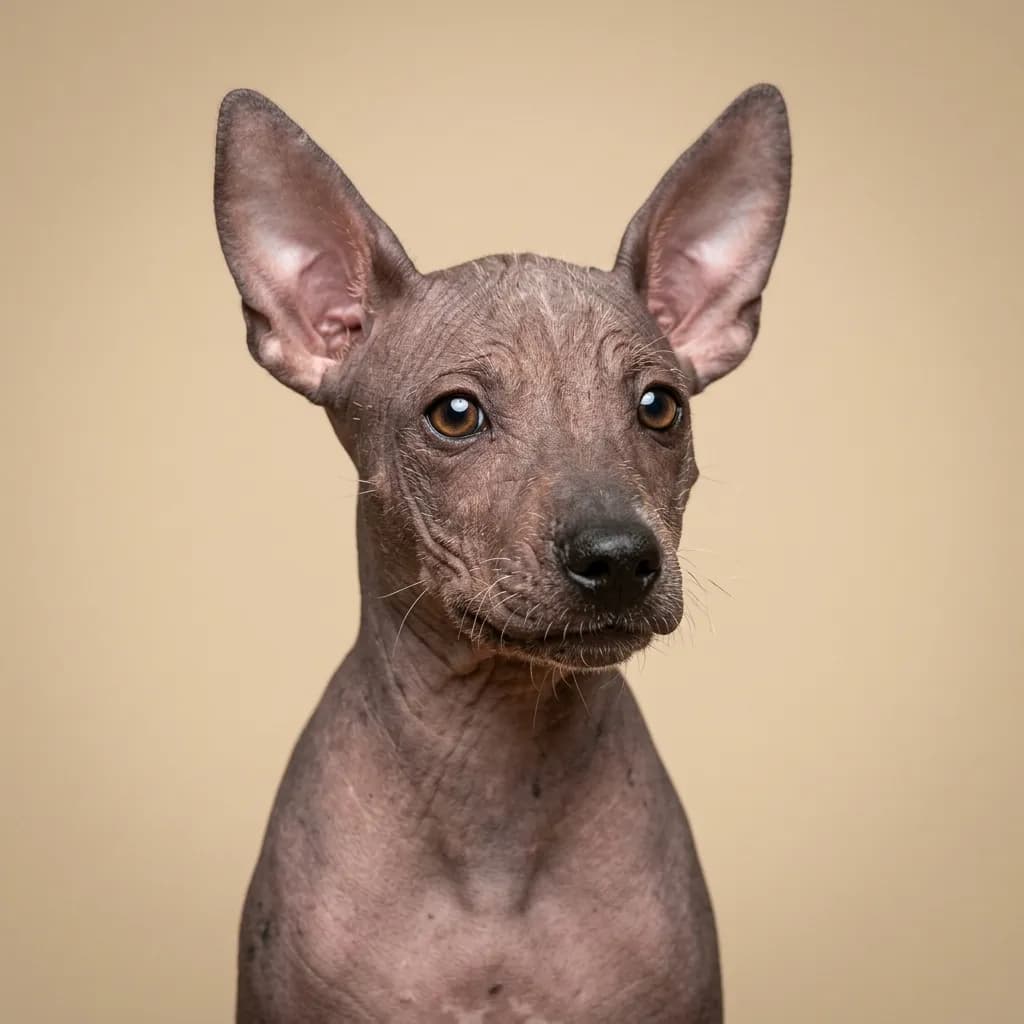
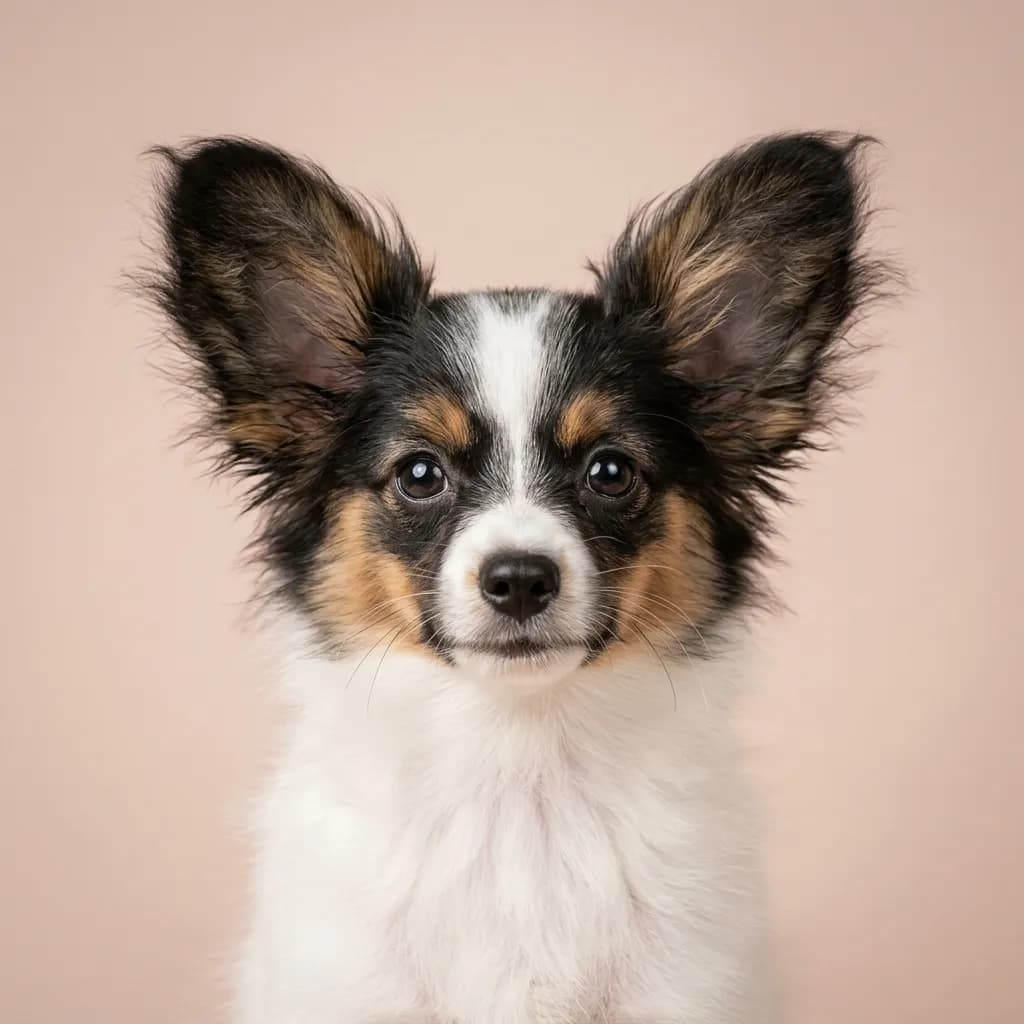
People compare the American Hairless Terrier and Papillon because they’re both small, sprightly, and thrive in apartments or busy homes. They’re smart, affectionate, and don’t shed much. on paper, they seem like interchangeable pocket-sized pals. But living with one versus the other? That’s where things get real. The American Hairless Terrier is like that quirky, sun-sensitive friend who’s always down for a walk but needs sunscreen. They’re easy to train, gentle with kids, and don’t shed at all. huge if allergies are a concern. Their skin means you’ll need to watch the sun and maybe layer them in winter, but they adapt to almost any home. They’re curious, not hyper, and happy to learn tricks or nap on your lap. Think of them as low-maintenance in personality, even if their skin needs a little extra care. Then there’s the Papillon. a tiny firecracker with butterfly ears and a brain that never powers down. They’re just as trainable but way more alert, which means they bark. A lot. They notice every leaf that falls outside and will tell you about it. This is a dog that needs jobs, puzzles, agility courses. mental work or they’ll invent their own (usually involving your slippers). They’re sweet with older kids but can be fragile, so toddlers might be too rough. Here’s the real difference: the Hairless Terrier fits into your life. The Papillon wants to lead it. If you want a calm-ish, allergy-friendly companion who won’t wreck your peace, go American Hairless. If you want a dazzling, high-energy partner in crime who lives for challenges and attention, the Papillon’s your spark. One’s a quiet yes, the other’s a joyful, yappy hell yes. Pick based on your energy, not just your space.
Trait-by-trait
Higher bar = more of that trait. Shedding, barking, drooling, grooming flipped for readability.Where they diverge
Choose the American Hairless Terrier if…
- Allergy sufferers
- Apartment dwellers
- Active people
Choose the Papillon if…
- Apartment living
- Active owners
- Families with older children
- You value shedding level — Papillon scores higher here.