American Leopard Hound vs Irish Setter
Side-by-side comparison across all 14 AKC trait ratings, with a clear verdict on which breed fits which kind of household.

Not sure which breed fits your life?
Answer five questions about your home, your schedule, and your tolerance for shedding. We’ll match you to your top three breeds from over 200.
American Leopard Hound vs Irish Setter
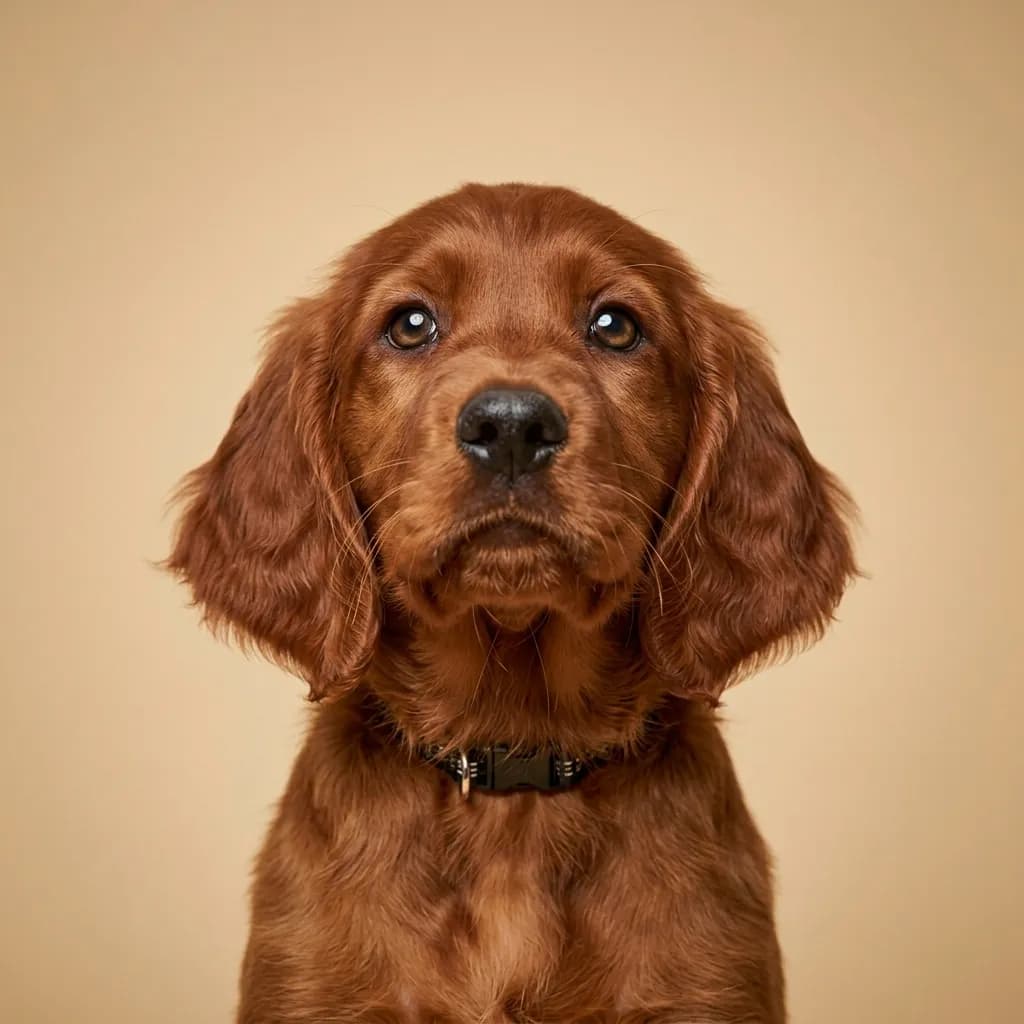
People compare the American Leopard Hound and the Irish Setter because they’re both lean, athletic, red-coated dogs built for covering ground and thriving outdoors. At a glance, they might even look like distant cousins. same size range, similar energy. but their souls belong to different kinds of wilderness. The Leopard Hound is a working genius of the backwoods. He’s bred to track and tree game solo, which means he’s independent, resourceful, and won’t always wait for permission. You’ll love his loyalty and how he plays gently with kids, but don’t expect him to settle in a city apartment. He needs space, purpose, and a job. otherwise he’ll find his own, like chasing squirrels through your neighbor’s yard. Training works, but it’s a negotiation, not a command. The Irish Setter? He’s the enthusiastic partner who wants to do everything with you. Bird or not, he’ll point it, chase it, and bring it back with a grin. He’s more eager to please, thrives in dog sports, and melts into your lap like a committed companion. His coat takes work. brushing isn’t optional. but he adapts better to suburban life if exercised hard and often. Here’s the real difference: the Leopard Hound respects you as a leader, but thinks for himself. The Irish Setter wants to be your shadow. Pick the Leopard Hound if you hunt, live rurally, and value instinct over obedience. Choose the Setter if you want a joyful, trainable partner for adventures and family life. just be ready for that coat and his endless need to move. One truth the breeders won’t shout: both can be escape artists, but the Leopard Hound will vanish silently. The Setter will bark goodbye as he bounds off after a rabbit. Know which dog you’re prepared to chase.
Trait-by-trait
Higher bar = more of that trait. Shedding, barking, drooling, grooming flipped for readability.Where they diverge
Choose the American Leopard Hound if…
- hunters
- active rural families
- experienced hound owners
Choose the Irish Setter if…
- Active families
- Hunters
- Outdoors enthusiasts
- You value good with other dogs — Irish Setter scores higher here.