American Leopard Hound vs Keeshond
Side-by-side comparison across all 14 AKC trait ratings, with a clear verdict on which breed fits which kind of household.

Not sure which breed fits your life?
Answer five questions about your home, your schedule, and your tolerance for shedding. We’ll match you to your top three breeds from over 200.
American Leopard Hound vs Keeshond
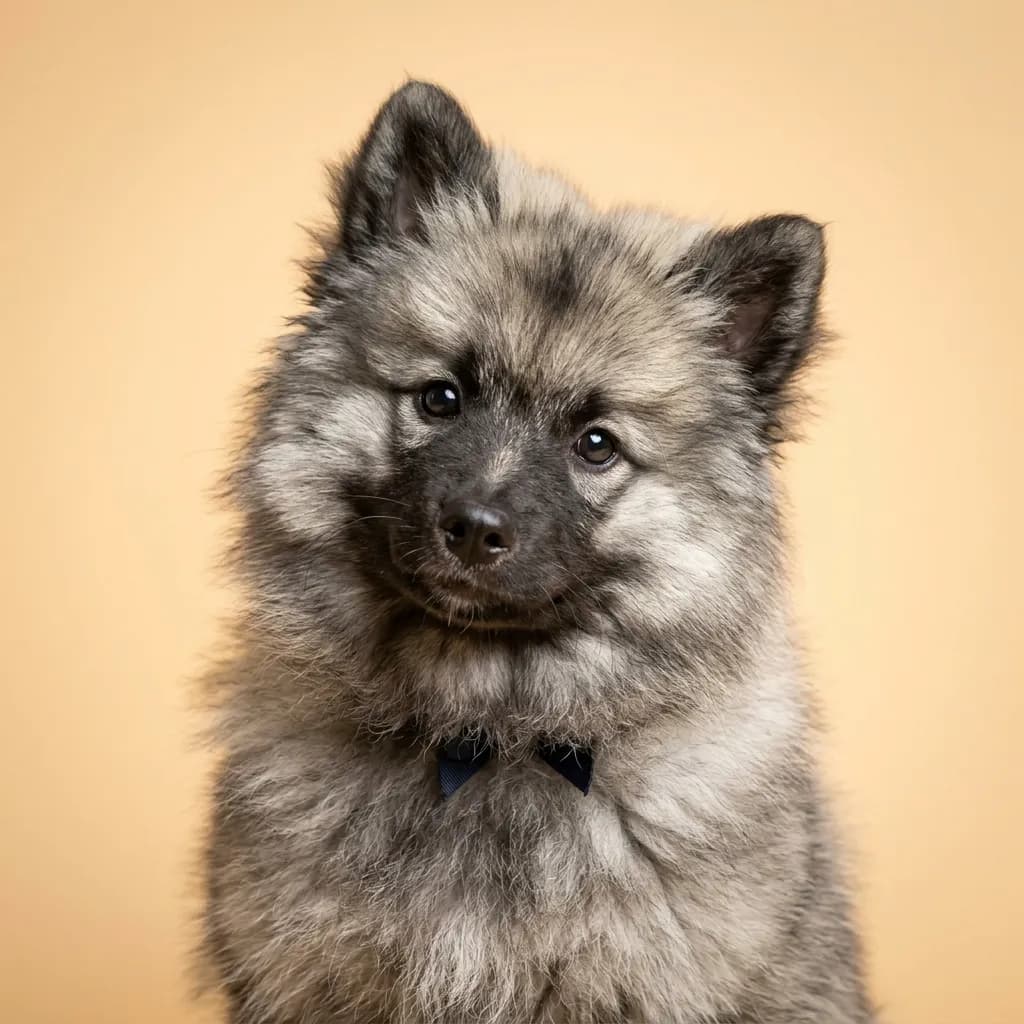
People compare the American Leopard Hound and Keeshond because both are mid-sized, friendly dogs with striking looks and loyal hearts. But that’s where the similarity ends. Think of it like choosing between a pickup truck and a cozy SUV. both get you places, but the journey is wildly different. The American Leopard Hound is built for wide-open spaces and big work. Bred to tree squirrels and track game across rough American terrain, this hound lives to move. You’ll need acres, not a yard, and an owner who hikes, hunts, or at least logs serious trail miles. They’re smart but independent. trainability is decent, but they’ll weigh your command against the scent of a raccoon and often pick the raccoon. They’re great with kids, yes, but not for city living or anyone who can’t handle high energy and moderate shedding. Their bark is occasional, but when it sounds, it means business. The Keeshond, in contrast, thrives in tighter quarters and craves closeness. That plush gray-and-white coat and smiling face made them the watchdog of Dutch barges, where they bonded tightly with families and barked at every unfamiliar creak. They’re eager to please, highly trainable, and adapt well to apartments or suburbs. just don’t leave them outside in Phoenix. They shed year-round and bark at delivery guys, squirrels, and passing clouds, so noise sensitivity matters. They’re affection machines, wrapping themselves around your family like a furry security blanket. Here’s the real insight: The Leopard Hound needs a job, the Keeshond needs a role. One will roam woods all day, the other will follow you from room to room, just to be near. Pick the Hound if your life is motion and land. Pick the Keeshond if your home is your haven.
Trait-by-trait
Higher bar = more of that trait. Shedding, barking, drooling, grooming flipped for readability.Where they diverge
Choose the American Leopard Hound if…
- hunters
- active rural families
- experienced hound owners
Choose the Keeshond if…
- Families with children
- Active owners
- Cold climates
- You value good with other dogs — Keeshond scores higher here.