American Leopard Hound vs Newfoundland
Side-by-side comparison across all 14 AKC trait ratings, with a clear verdict on which breed fits which kind of household.
Not sure which breed fits your life?
Answer five questions about your home, your schedule, and your tolerance for shedding. We’ll match you to your top three breeds from over 200.
American Leopard Hound vs Newfoundland
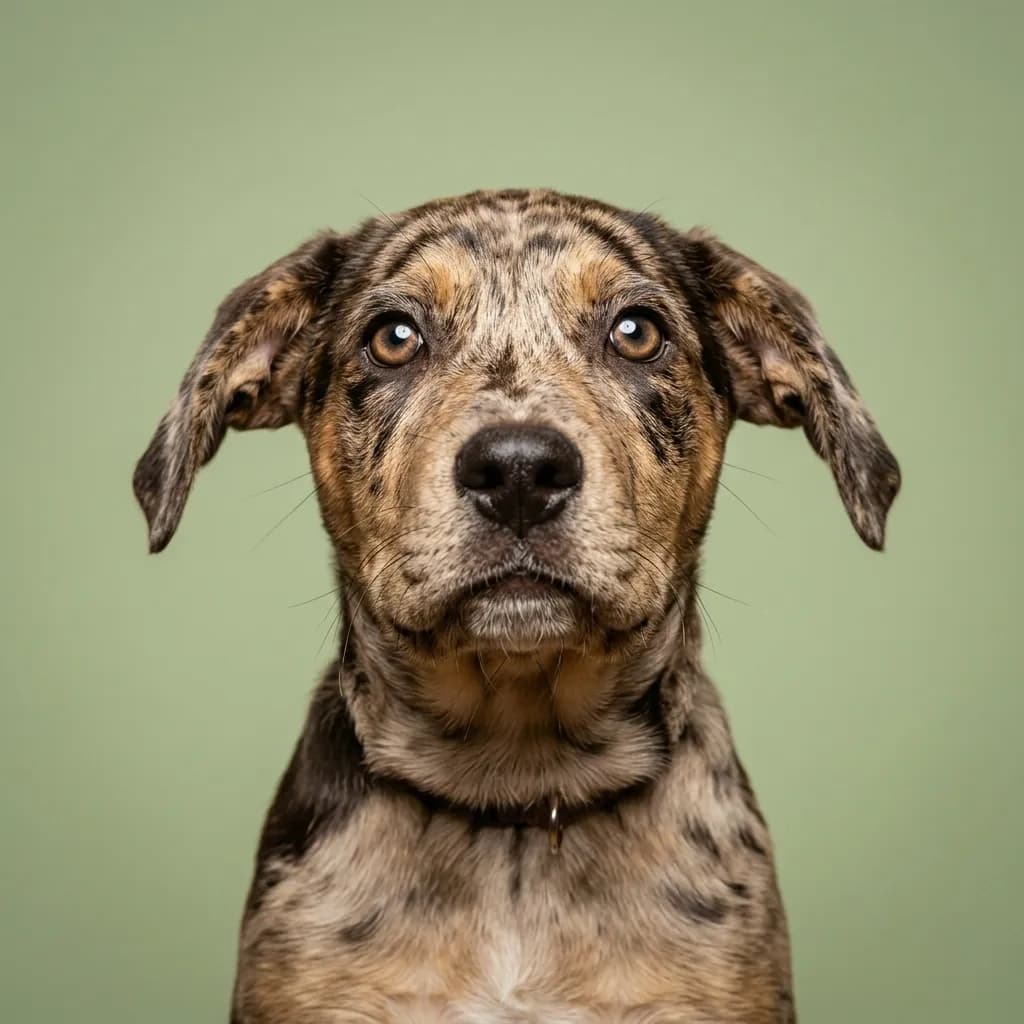
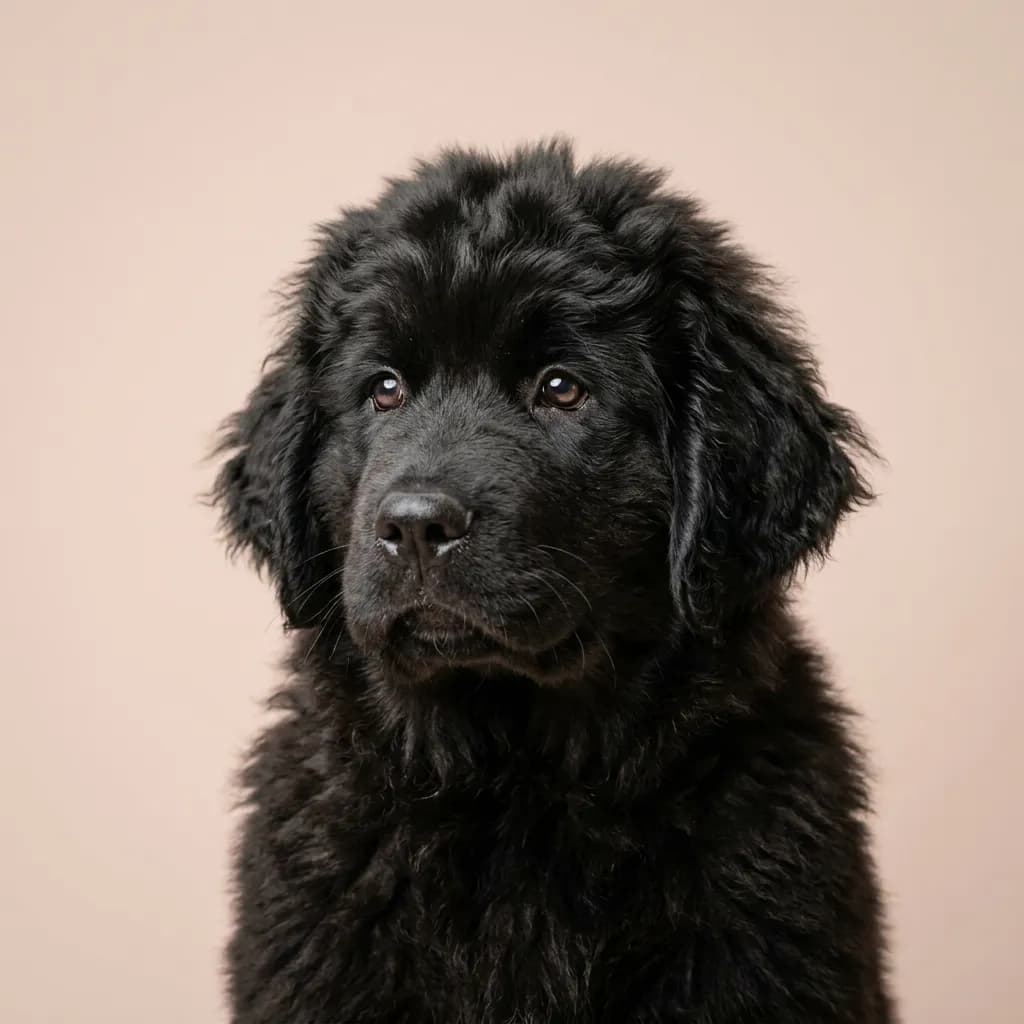
You’re not really comparing these two unless you’re torn between a dog that works the land and one that conquers hearts. People lump them together because both are big, American-adjacent, and good with kids. But that’s where the story splits. The American Leopard Hound is all wiry muscle and restless curiosity. Think of a dog that wakes up ready to cover 20 miles of woodland, ears pricked at every squirrel scream. They were born to tree raccoons in the Appalachians, so if you’ve got a farm or acres of woods and love hunting or trail running, they’ll be your shadow. But they need a job, or they’ll invent one. like howling at 2 a.m. or digging under fences. They’re great with kids but can knock over toddlers by accident during zoomies. The Newfoundland is the opposite kind of energy. They move like a slow, furry glacier. calm, steady, and endlessly patient. These dogs were pulling nets and rescuing sailors from icy water. They’ll let kids climb on them like furniture and paddle through lakes to fetch a stick without complaint. But they drool on your laptop, shed like a snowstorm in spring, and need serious space. Here’s the real talk: the Leopard Hound thrives on freedom, the Newfie thrives on connection. Pick the hound if you need a partner in adventure and can handle some chaos. Pick the Newfoundland if you want a gentle, living teddy bear who happens to weigh as much as a linebacker. And one thing no one mentions: the Newfoundland’s quietness is eerie after other dogs. They don’t bark much, but when they do, it sounds like a bear showing up at your back door.
Trait-by-trait
Higher bar = more of that trait. Shedding, barking, drooling, grooming flipped for readability.Where they diverge
Choose the American Leopard Hound if…
- hunters
- active rural families
- experienced hound owners
- You value barking level — American Leopard Hound scores noticeably higher.
Choose the Newfoundland if…
- Families with children
- Water and outdoor enthusiasts
- Those wanting a gentle giant
- You value drooling level — Newfoundland scores higher here.