American Leopard Hound vs Norwegian Buhund
Side-by-side comparison across all 14 AKC trait ratings, with a clear verdict on which breed fits which kind of household.
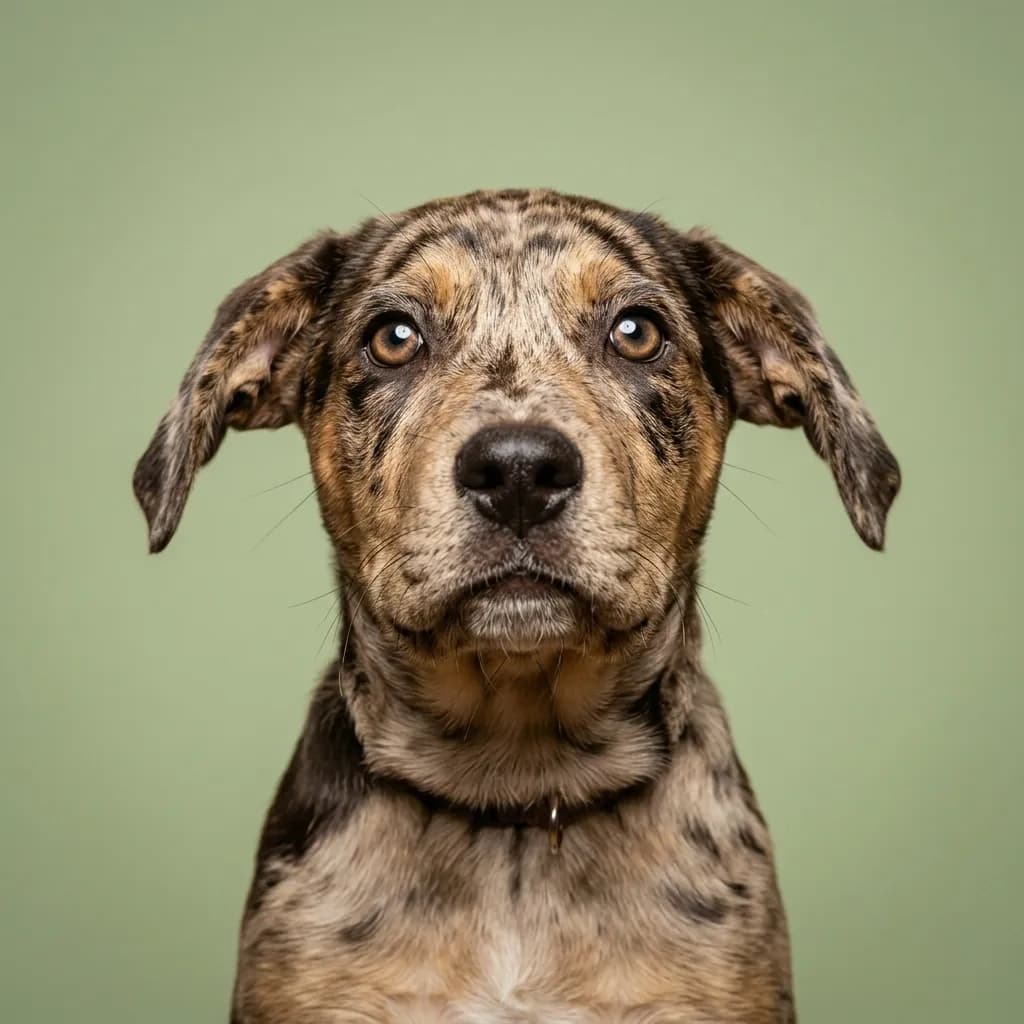
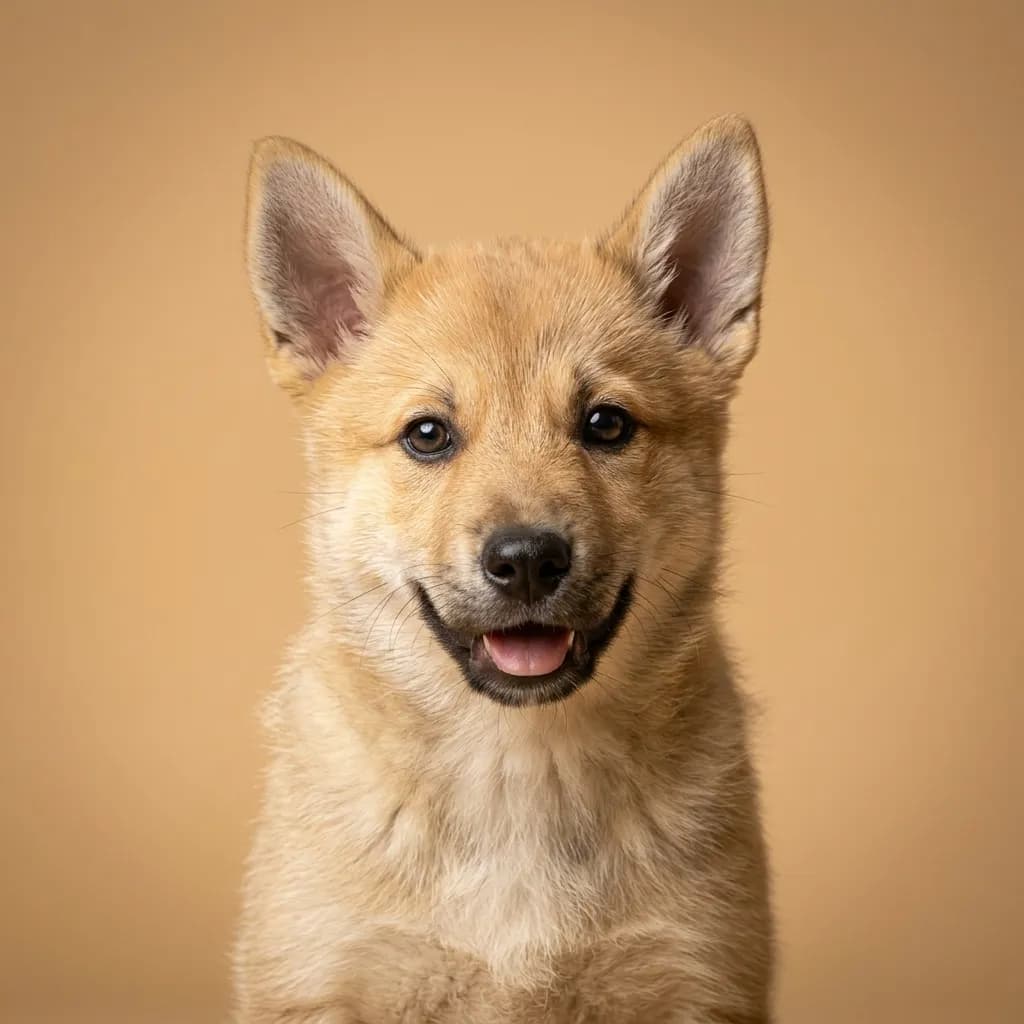
Not sure which breed fits your life?
Answer five questions about your home, your schedule, and your tolerance for shedding. We’ll match you to your top three breeds from over 200.
American Leopard Hound vs Norwegian Buhund
You’re probably comparing these two because they’re both medium-sized, energetic dogs with a nose for adventure and a look that stands out in a crowd. But beyond that, they’re built for entirely different worlds. The American Leopard Hound is a working hunter’s dream, bred to tree squirrels and track game across rough Southern terrain. This dog needs space, purpose, and an owner who doesn’t mind a little chaos at dawn. It’s deeply loyal and great with kids, but it’s not the type to settle into apartment life or quiet suburban streets. If you’ve got 10 acres and a pack of coonhounds in your bloodline, it’ll thrive. The Norwegian Buhund, on the other hand, is a cheerful farm guardian from the Arctic Circle. compact, alert, and built for cold weather. It’s more adaptable than the Leopard Hound, happy in a house with a yard as long as you’re game for daily hikes and mental challenges. Buhunds bond tightly with their people and love being in the middle of everything, but they bark. A lot. They’re not guard dogs, but they’ll alert you to a falling leaf. If you’re into dog sports or live where it snows six months a year, this one’s magic. Here’s the thing the breed summaries won’t tell you: the Leopard Hound can be stubborn in a way that feels personal, like it’s making its own rules. The Buhund isn’t stubborn. it’s negotiating. It wants to know why you’re asking, and it remembers if you lie. Choose the Hound if you want a partner in the wild. Choose the Buhund if you want a clever shadow who just happens to be covered in fur.
Trait-by-trait
Higher bar = more of that trait. Shedding, barking, drooling, grooming flipped for readability.Where they diverge
Choose the American Leopard Hound if…
- hunters
- active rural families
- experienced hound owners
- You value good with young children — American Leopard Hound scores noticeably higher.
Choose the Norwegian Buhund if…
- Active families
- Cold climate dwellers
- Dog sport enthusiasts
- You value affectionate w/ family — Norwegian Buhund scores higher here.