American Leopard Hound vs Puli
Side-by-side comparison across all 14 AKC trait ratings, with a clear verdict on which breed fits which kind of household.
Not sure which breed fits your life?
Answer five questions about your home, your schedule, and your tolerance for shedding. We’ll match you to your top three breeds from over 200.
American Leopard Hound vs Puli
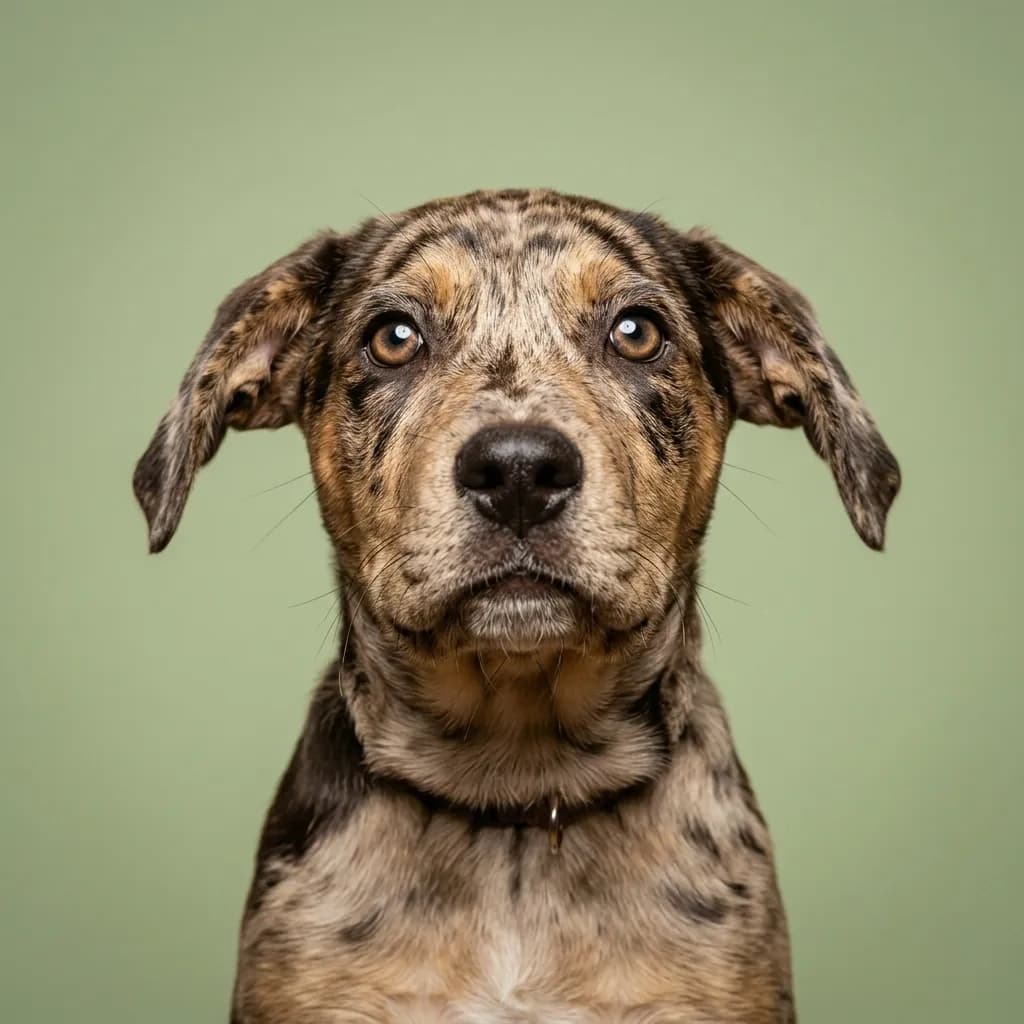
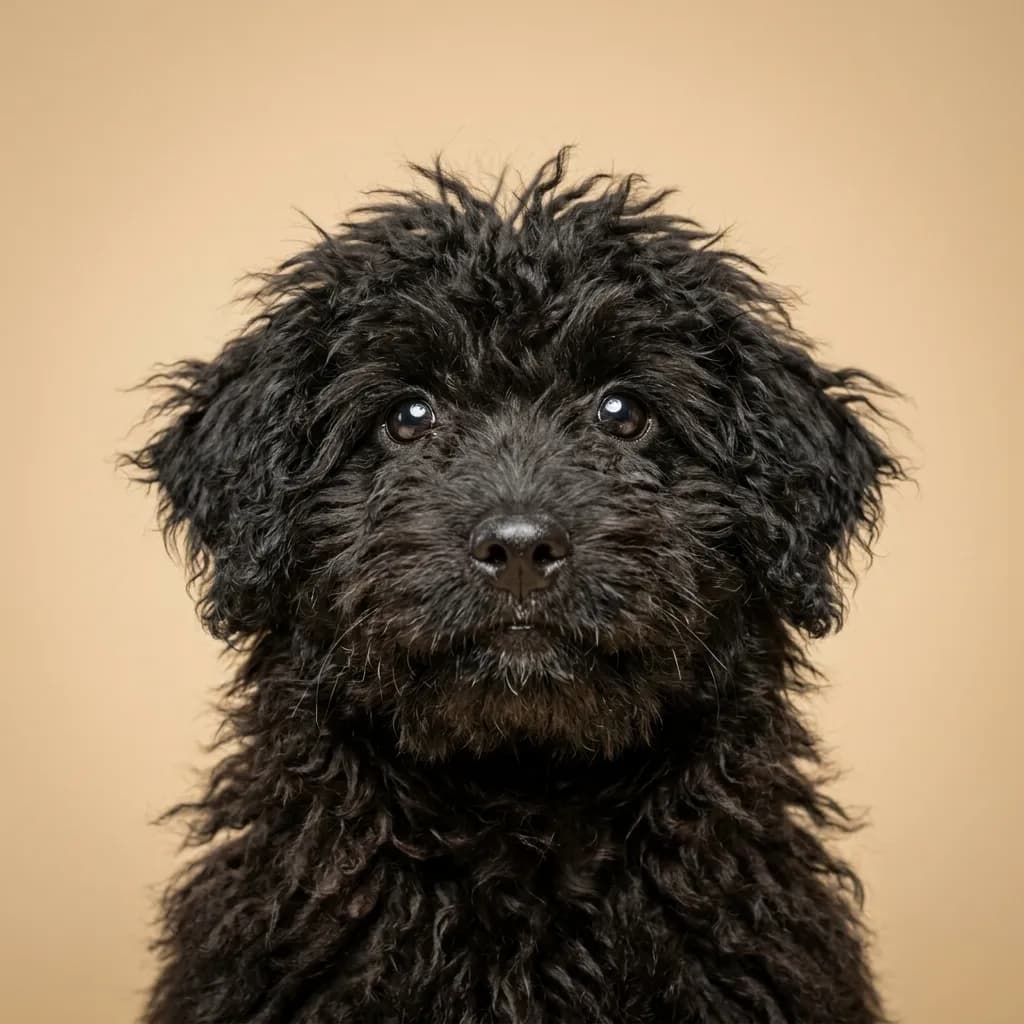
You don’t see American Leopard Hounds and Pulis side by side at dog parks. these breeds come from different worlds, different jobs, different rhythms of life. But people compare them when they’re looking for a rare, high-energy dog with a strong mind and a deep need for purpose. Both are intelligent, both loyal, and both demand more than the average pet owner can give. That’s where the similarity ends. The American Leopard Hound is built for wilderness. If you’re hunting squirrel or boar across 50 acres of rough terrain, this dog will work all day without tiring. It’s sociable with people, great with kids, but its prey drive is no joke. it won’t respect your neighbor’s rabbit. You need space, activity, and experience with hounds. It sheds, barks when working, and needs early training to avoid stubborn streaks. The Puli, meanwhile, looks like a mop that came to life. and that coat is no gimmick. It’s a herding dog with a genius-level work ethic and trainability to match. Pulis bond fiercely with their families and thrive on mental challenges. But they’re not cuddly clowns. They’re alert, sensitive, and can be wary of strangers and kids if not socialized early. That coat? It’s low-shedding but needs constant upkeep. forget skipping grooming. Here’s the real talk: the Leopard Hound wants a job in open space. The Puli wants to be your shadow in a structured home. Pick the Hound if your life happens outdoors and you need a partner, not a lapdog. Pick the Puli if you love training, have time for grooming, and want a deeply bonded, agile companion. One works the woods. The other works you. Know which relationship you’re ready for.
Trait-by-trait
Higher bar = more of that trait. Shedding, barking, drooling, grooming flipped for readability.Where they diverge
Choose the American Leopard Hound if…
- hunters
- active rural families
- experienced hound owners
- You value good with young children — American Leopard Hound scores noticeably higher.
Choose the Puli if…
- Active families
- Experienced dog owners
- Those wanting a unique coat
- You value coat grooming — Puli scores higher here.