Anatolian Shepherd Dog vs Plott Hound
Side-by-side comparison across all 14 AKC trait ratings, with a clear verdict on which breed fits which kind of household.
Not sure which breed fits your life?
Answer five questions about your home, your schedule, and your tolerance for shedding. We’ll match you to your top three breeds from over 200.
Anatolian Shepherd Dog vs Plott Hound
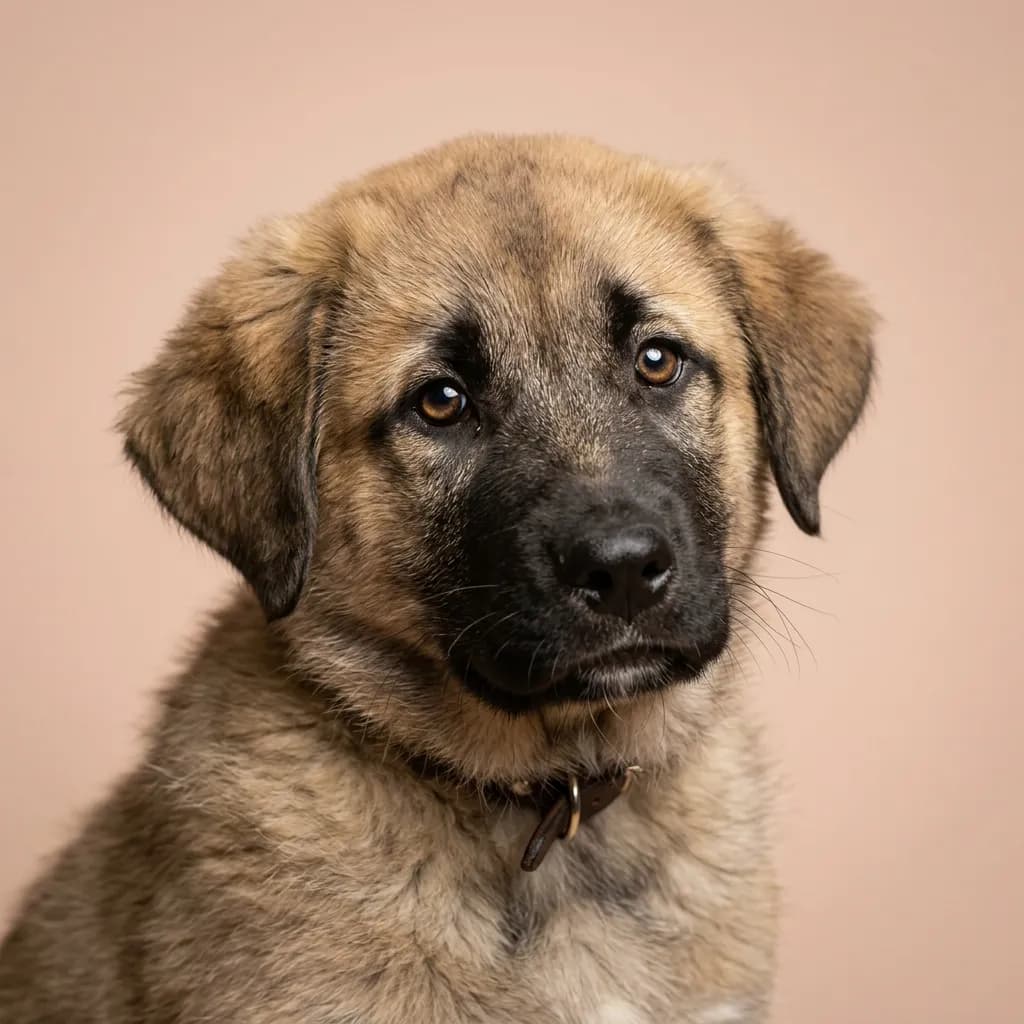
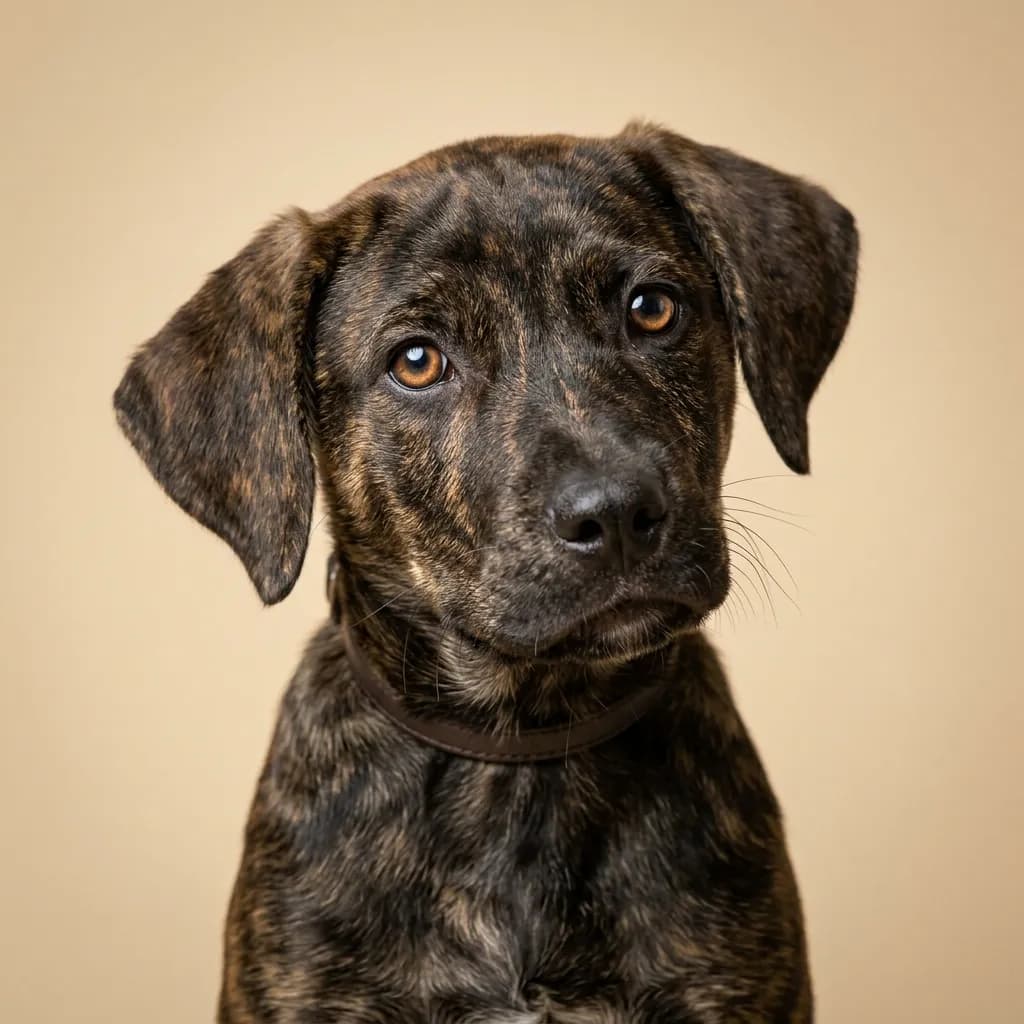
You don’t see people comparing an Anatolian Shepherd and a Plott Hound at dog parks. because neither of these breeds is really for dog parks. But if you’re standing on a mountainside with 20 acres and a job that needs doing, suddenly the choice between them starts making sense. Both were bred to handle serious work in rugged terrain. Both are fearless. But that’s where the similarities end. The Anatolian is a fortress on four legs. Built to guard flocks from wolves in the Turkish highlands, this dog is aloof, deeply independent, and wired to make its own decisions. You don’t train an Anatolian so much as negotiate with it. It’s not looking for a hug; it’s scanning the tree line. If you want a dog that bonds by presence, not cuddles, and you’ve got space and livestock, this one’s for you. But if you live in a townhouse or want a dog that obeys like a soldier, walk away. The Plott Hound, on the other hand, is all drive and devotion. Bred to trail and tree bears in the Appalachians, it’s got stamina, a nose like GPS, and a voice that carries for miles. Unlike many hounds, it’s surprisingly trainable and thrives on partnership. It wants to be with you, hunting, hiking, or just moving. It’s affectionate. real affection, not tolerance. Here’s the thing most overlook: both are tough, but for opposite reasons. The Anatolian tests your patience with its stubbornness. The Plott tests your energy. Pick the Anatolian if you need a guardian more than a companion. Pick the Plott if you want a loyal, vocal partner who’ll run all day and then curl up at your feet. One protects the property. The other wants to be part of your mission.
Trait-by-trait
Higher bar = more of that trait. Shedding, barking, drooling, grooming flipped for readability.Where they diverge
Choose the Anatolian Shepherd Dog if…
- Experienced owners
- Rural properties
- Livestock guardians
- You value shedding level — Anatolian Shepherd Dog scores noticeably higher.
Choose the Plott Hound if…
- Hunters
- Active outdoor owners
- Rural settings
- You value affectionate w/ family — Plott Hound scores higher here.