Anatolian Shepherd Dog
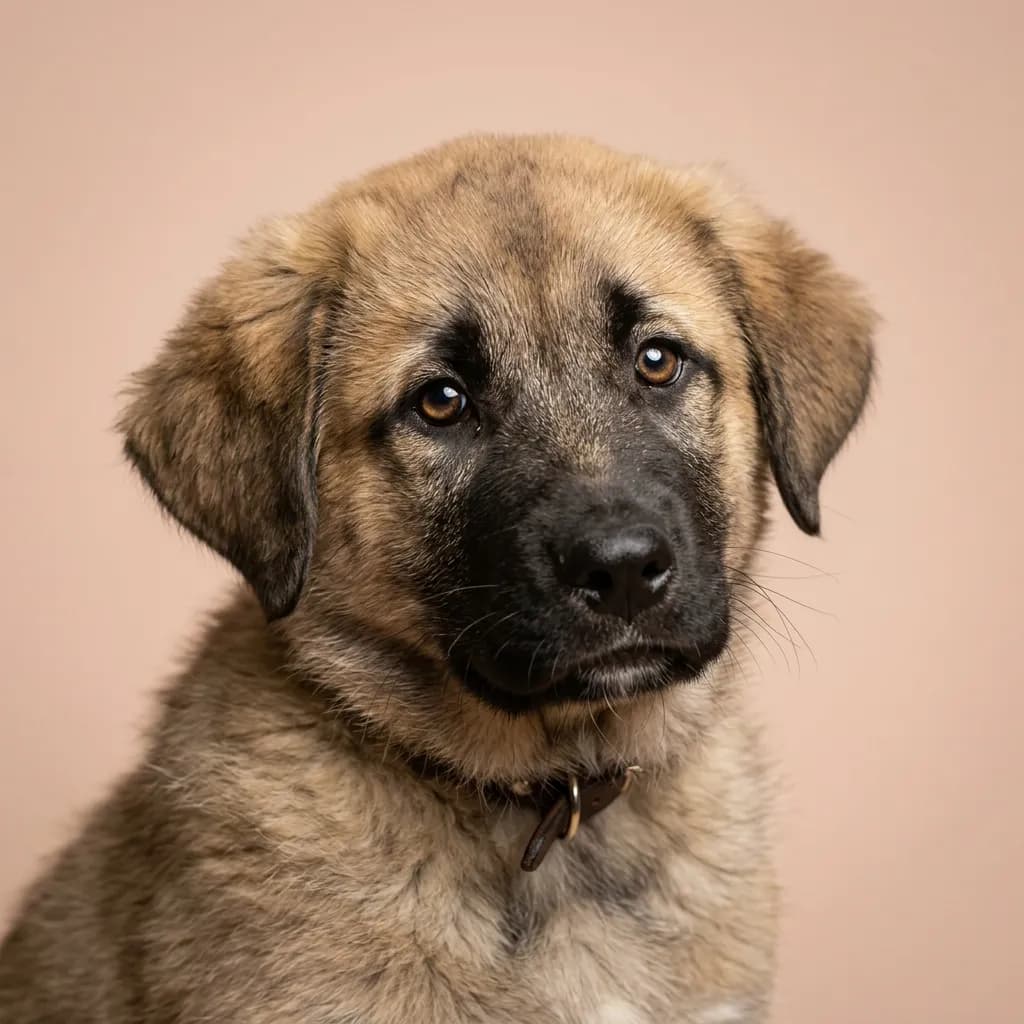
One of the oldest livestock guardians alive, and it operates on ancient instincts: scan, assess, protect. Anatolians are calm indoors but imposing outdoors, and they do not default to friendliness with strangers. A working dog first — exceptional on rural properties with livestock, genuinely challenging in suburban settings.
Free weekly training plan, specific to your Anatolian Shepherd Dog’s age. Exactly what to focus on this week.
Get your free training planLiving with a Anatolian Shepherd Dog
The Anatolian Shepherd Dog comes from the rugged highlands of Turkey, where they spent centuries guarding flocks against wolves and bears. They weren’t bred to please people; they were bred to make life-or-death decisions alone, on the open range. That history runs deep in their DNA.
This isn’t a breed that thrives on obedience drills or dog park playdates. It’s a thinking dog, independent to a fault, and fiercely loyal on its own terms. If you want a shadow who lives for ball fetch and belly rubs, look elsewhere.
Anatolian Shepherd Dogs are not high-energy in the typical sense, they won’t bounce off the walls or demand two-hour runs. But they do need purpose and space. A rural property with a secure perimeter is ideal.
They’re vigilant, calm by nature, and will patrol their territory with quiet intensity. Expect moderate barking, mostly alert-based, not nuisance, but they won’t yip at every squirrel. Training is a challenge.
They’re smart but stubborn, scoring low on trainability because they prefer to assess a command before complying. Early socialization is non-negotiable; without it, their natural wariness can tip into reactivity. Grooming is straightforward.
Their short to medium double coat sheds seasonally, about two to three times a year, with moderate year-round shedding. Weekly brushing usually suffices, but you’ll want to gear up for the twice-yearly blowouts. Health-wise, they’re generally robust but can be prone to hip and elbow dysplasia, entropion, and a lesser-known issue: sensitivity to anesthesia.
Always inform your vet, you’ll need lighter protocols and close monitoring during any procedure. These dogs aren’t for first-time owners or city dwellers. They need experienced hands who understand canine body language and know how to lead without force.
They’re not overly affectionate, don’t expect a cuddle bug on the couch, and their reserve around strangers means they won’t suit households with frequent guests. Here’s the thing most people miss: an Anatolian without a job, even a symbolic one, becomes quietly destructive. Not in a chew-up-the-couch way, but in a bored, watchful way.
They need responsibility, a gate to guard, a yard to patrol. Give them that, and you’ve got a steadfast, noble guardian. Get it wrong, and you’ll spend years managing a 130-pound problem solver who thinks he’s in charge.
14 traits, at a glance.
Every breed on PuppyBase is rated across the 14 trait dimensions the American Kennel Club publishes — from trainability to drooling level. The higher the score, the better the fit for that trait.
What to expect day-to-day
Things to screen for
- Anesthesia sensitivity
- Elbow dysplasia
- Entropion (eyelid condition)
- Hip dysplasia
- Hypothyroidism
See a full price breakdown — first-year costs, lifetime estimate, breeder vs. adoption.
Full price guideSimilar breeds
Browse all 200+
Common questions
How long do Anatolian Shepherd Dogs live?
Anatolian Shepherd Dogs typically live between 11 and 13 years with proper care.
How much does a Anatolian Shepherd Dog puppy cost?
Anatolian Shepherd Dog puppies usually cost between $1,000 and $3,000, with an average price around $1,800 depending on breeder reputation and lineage.
How much do Anatolian Shepherd Dogs shed?
They shed moderately year-round, with heavier seasonal shedding that requires regular brushing to manage.
What colors do Anatolian Shepherd Dogs come in?
Anatolian Shepherd Dogs come in fawn, white, brindle, pinto, and white and biscuit color combinations.
How big do Anatolian Shepherd Dogs get?
They are large dogs, standing 27 to 29 inches tall and weighing between 80 and 150 pounds.
Are Anatolian Shepherd Dogs smart?
Yes, they are intelligent but highly independent thinkers, which can make them stubborn during training.
Are Anatolian Shepherd Dogs hypoallergenic?
No, Anatolian Shepherd Dogs are not hypoallergenic and do shed, making them unsuitable for allergy sufferers.
Are Anatolian Shepherd Dogs aggressive?
They are not inherently aggressive, but they are deeply protective and reserved with strangers, which can appear intimidating without proper socialization.
What health problems are common in Anatolian Shepherd Dogs?
Common health issues include hip and elbow dysplasia, entropion, hypothyroidism, and sensitivity to anesthesia.
Do Anatolian Shepherd Dogs bark a lot?
They bark moderately, usually only to alert their family of potential threats or unusual activity.
Are Anatolian Shepherd Dogs easy to train?
No, they are not easy to train due to their independent nature and low eagerness to please; consistent, experienced handling is required.
Are Anatolian Shepherd Dogs good family dogs?
They can be loyal to their family but are best suited for homes with older children and experienced dog owners who understand guardian breeds.
Are Anatolian Shepherd Dogs good with cats?
They can coexist with cats if raised together, but their strong prey drive and livestock-guarding instincts may lead to chasing or dominance issues.
Are Anatolian Shepherd Dogs good guard dogs?
Yes, they are exceptional guard dogs, bred for centuries to protect livestock from predators and naturally alert, watchful, and fearless.
Can Anatolian Shepherd Dogs live in apartments?
No, they are not suited for apartment living and require a large, secure yard and rural or spacious environment to thrive.
Are Anatolian Shepherd Dogs good first dogs?
No, they are not recommended for first-time owners due to their size, independence, guarding instincts, and training challenges.
Not sure which breed fits your life?
Answer five questions about your home, your schedule, and your tolerance for shedding. We’ll match you to your top three breeds from over 200.