Appenzeller Sennenhund vs Basenji
Side-by-side comparison across all 14 AKC trait ratings, with a clear verdict on which breed fits which kind of household.
Not sure which breed fits your life?
Answer five questions about your home, your schedule, and your tolerance for shedding. We’ll match you to your top three breeds from over 200.
Appenzeller Sennenhund vs Basenji
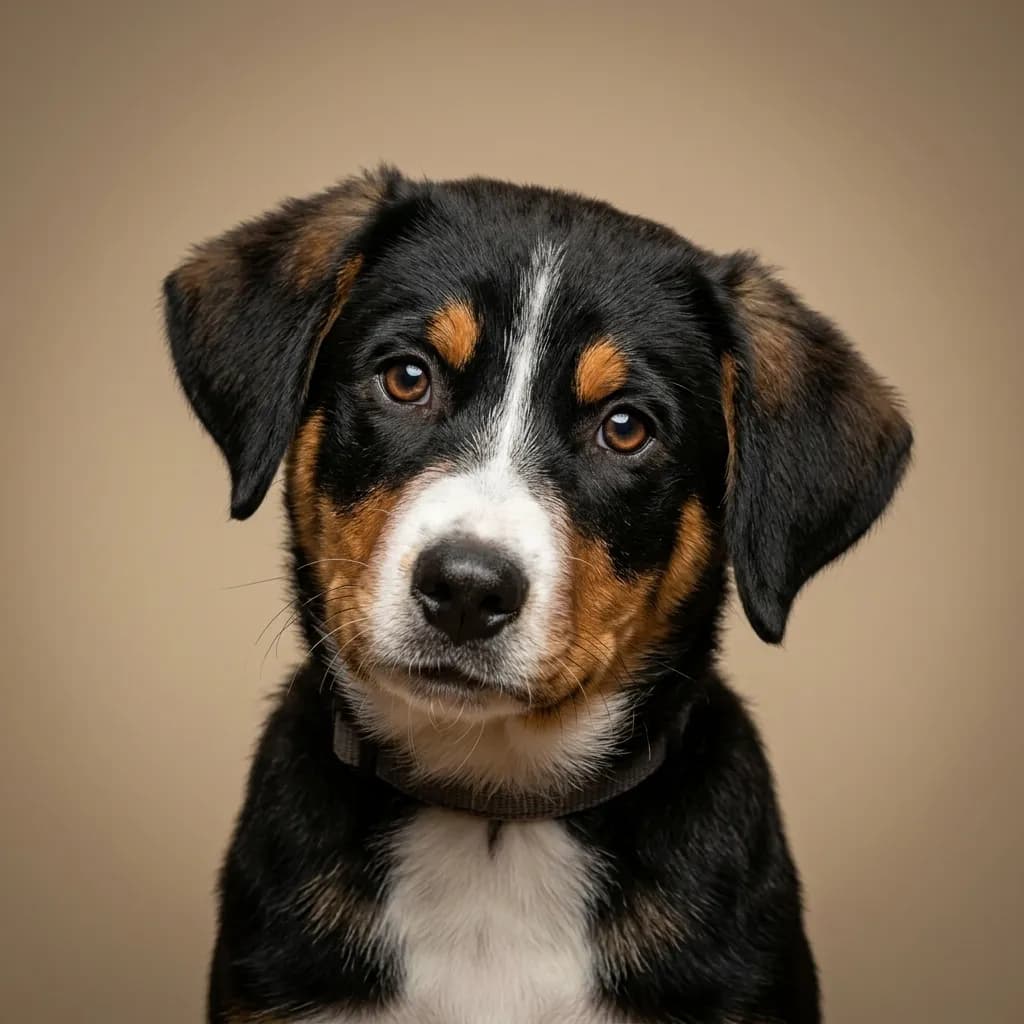
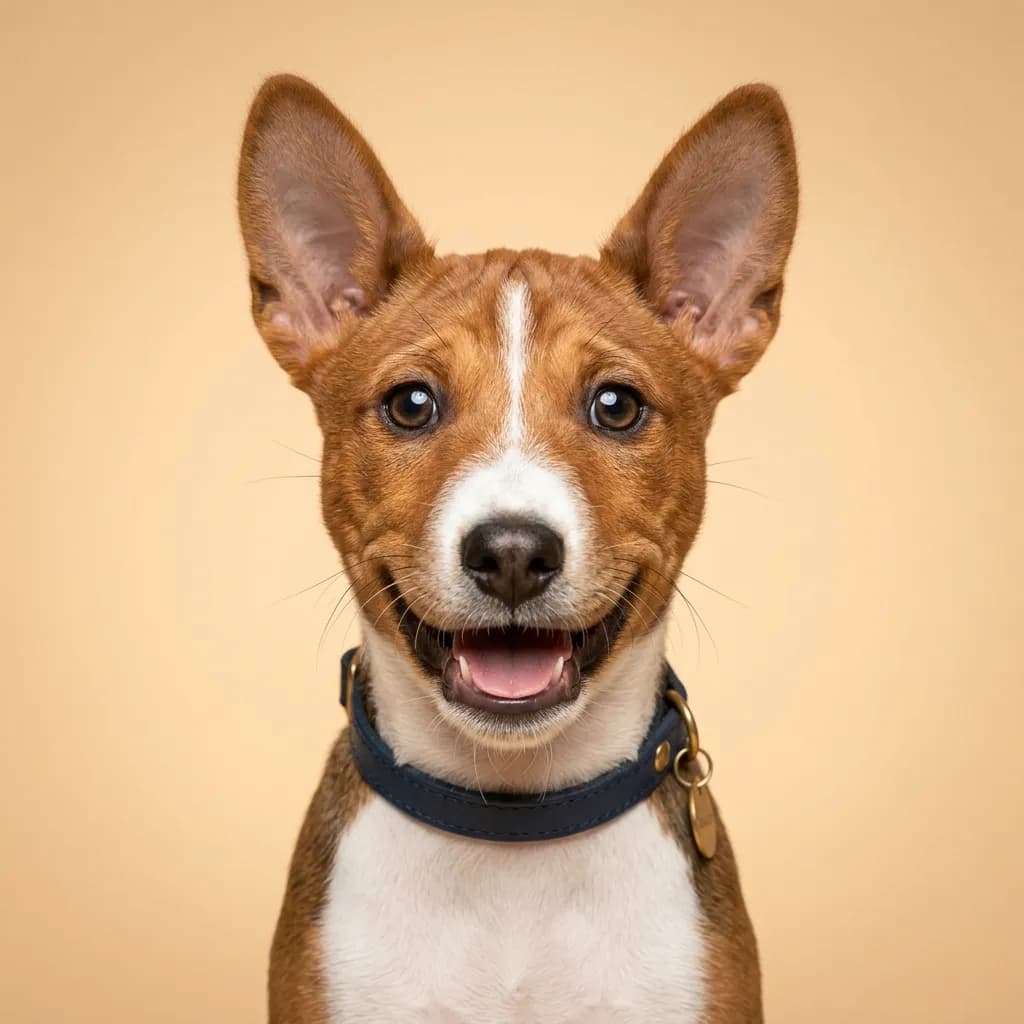
People don’t usually pit a Swiss mountain dog against a sleek African hunter, but here’s why these two get compared: both are rare, energetic, and demand experience. They’re not for the faint of heart or the first-time owner. But that’s where the similarities end. The Appenzeller Sennenhund is the farmhand with a sense of humor. built to work cattle in the Alps, he’s sturdy at 60 pounds, loves a job, and will bark at anything that moves. He’s affectionate with his people but doesn’t suffer fools. You’ll need space, activity, and thick skin for his stubborn streak. He thrives in rural homes where he can hike, herd, or compete in dog sports. Don’t even think about apartments. The Basenji, meanwhile, is the silent cat-dog from the Congo. He’s half the size, fastidiously clean, and famously doesn’t bark. instead, he yodels. Independent to a fault, he’s smart but not eager to please. Training is a negotiation, not a command. He’s better in apartments if you’re active, but you’ll never trust him off-leash. Small pets? Forget it. He’ll view them as prey. Here’s the real talk: the Appenzeller wants to work with you, even if that means herding your kids around the yard. The Basenji? He’s more like a roommate who occasionally deigns to acknowledge you. Both need mental stimulation, but the Basenji’s aloofness can feel like rejection if you’re craving a velcro dog. Pick the Appenzeller if you live on land, love structure, and want a loyal, lively partner. Go for the Basenji if you’re okay with a dog who loves you in his own way. and on his own terms. Just don’t expect either to follow commands just because you asked nicely.
Trait-by-trait
Higher bar = more of that trait. Shedding, barking, drooling, grooming flipped for readability.Where they diverge
Choose the Appenzeller Sennenhund if…
- active families
- experienced owners
- rural and farm settings
- You value barking level — Appenzeller Sennenhund scores noticeably higher.
Choose the Basenji if…
- Apartments
- Experienced owners
- Allergy sufferers
- You value energy level — Basenji scores higher here.