Appenzeller Sennenhund vs Brittany
Side-by-side comparison across all 14 AKC trait ratings, with a clear verdict on which breed fits which kind of household.
Not sure which breed fits your life?
Answer five questions about your home, your schedule, and your tolerance for shedding. We’ll match you to your top three breeds from over 200.
Appenzeller Sennenhund vs Brittany
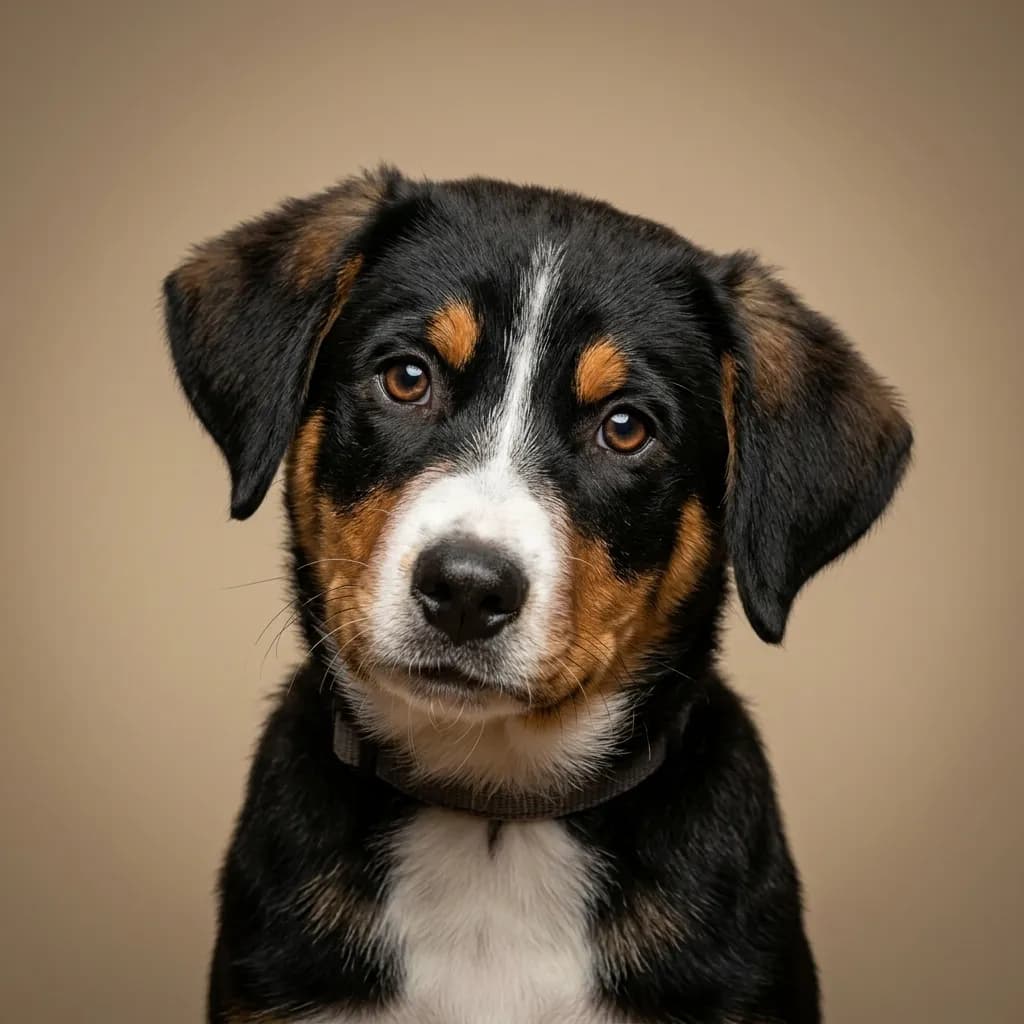
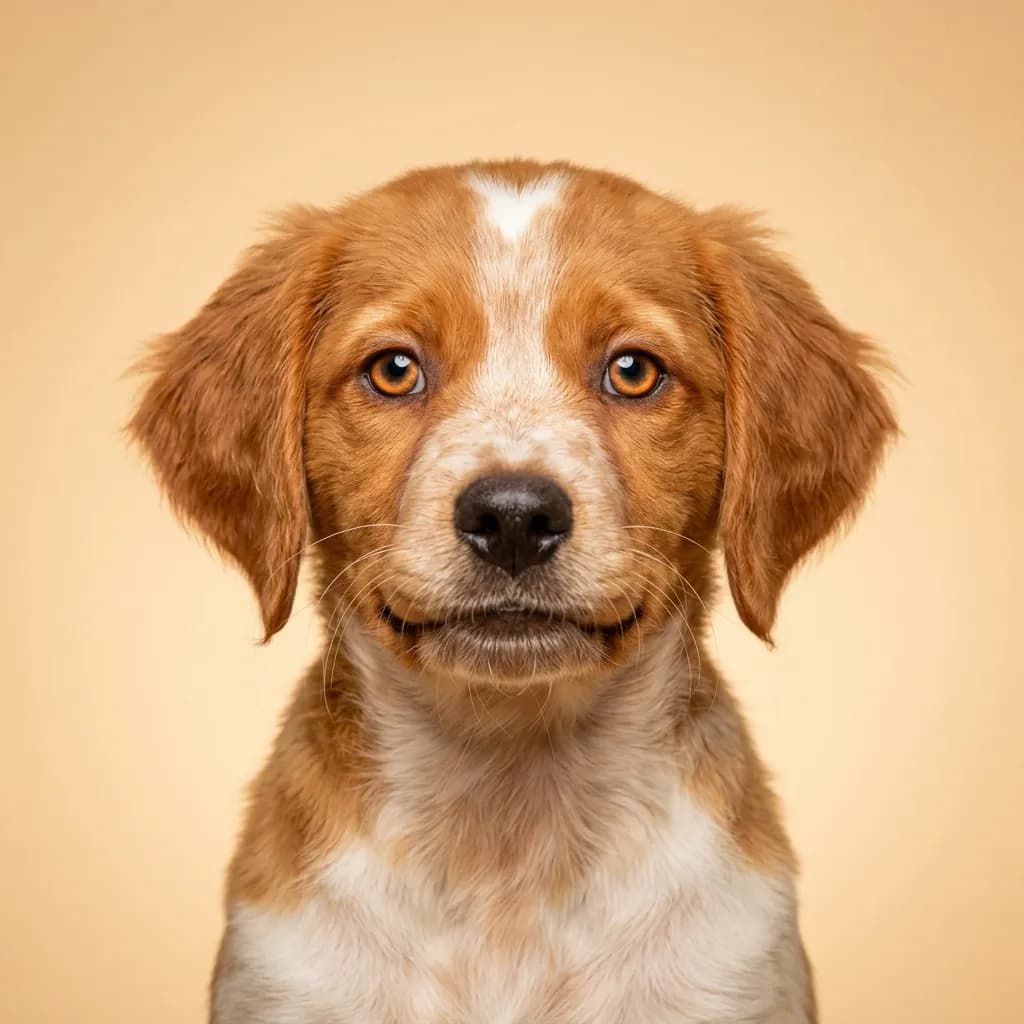
You don’t see Appenzeller Sennenhunds and Brittanys lined up at dog parks, but if you’re an active person weighing a high-drive, rugged companion, their paths cross in that sweet spot where energy and trainability matter most. Both are medium-sized, lively, and thrive on involvement. But that’s where the similarity buckles under the weight of very different souls. The Appenzeller is a mountain dog with a job to prove. Bred to herd cattle in the Swiss Alps and pull carts through steep pastures, it’s intense, watchful, and thrives on structure. You’ll need experience. this isn’t a dog that forgives inconsistency. It bonds deeply, barks at change, and needs a job, whether that’s agility, farm work, or advanced obedience. It’s affectionate with its people but not a lap dog; its love shows in focus, not cuddles. If you live rurally and live hard, the Appenzeller will match you step for step. The Brittany, though, is pure motion with a spring in its step and a wag in its chest. It was born to quarter fields and point birds, but its enthusiasm spills into every part of life. It’s easier to train, more naturally sociable with kids, and while it demands hours of exercise, it’s more forgiving of a suburban yard than the Appenzeller. That 5/5 energy means it will run all day, but it also means downtime is earned, not assumed. Here’s the real difference: the Appenzeller wants to lead with you. The Brittany wants to fly beside you. Pick the Appenzeller if you want a loyal, sharp partner who respects competence. Pick the Brittany if you want a joy-driven athlete who turns every walk into a hunt. And be honest. neither will survive a desk job and a condo.
Trait-by-trait
Higher bar = more of that trait. Shedding, barking, drooling, grooming flipped for readability.Where they diverge
Choose the Appenzeller Sennenhund if…
- active families
- experienced owners
- rural and farm settings
- You value affectionate w/ family — Appenzeller Sennenhund scores noticeably higher.
Choose the Brittany if…
- Active families
- Hunters
- Runners and hikers
- You value trainability — Brittany scores higher here.