Appenzeller Sennenhund vs Chinook
Side-by-side comparison across all 14 AKC trait ratings, with a clear verdict on which breed fits which kind of household.
Not sure which breed fits your life?
Answer five questions about your home, your schedule, and your tolerance for shedding. We’ll match you to your top three breeds from over 200.
Appenzeller Sennenhund vs Chinook
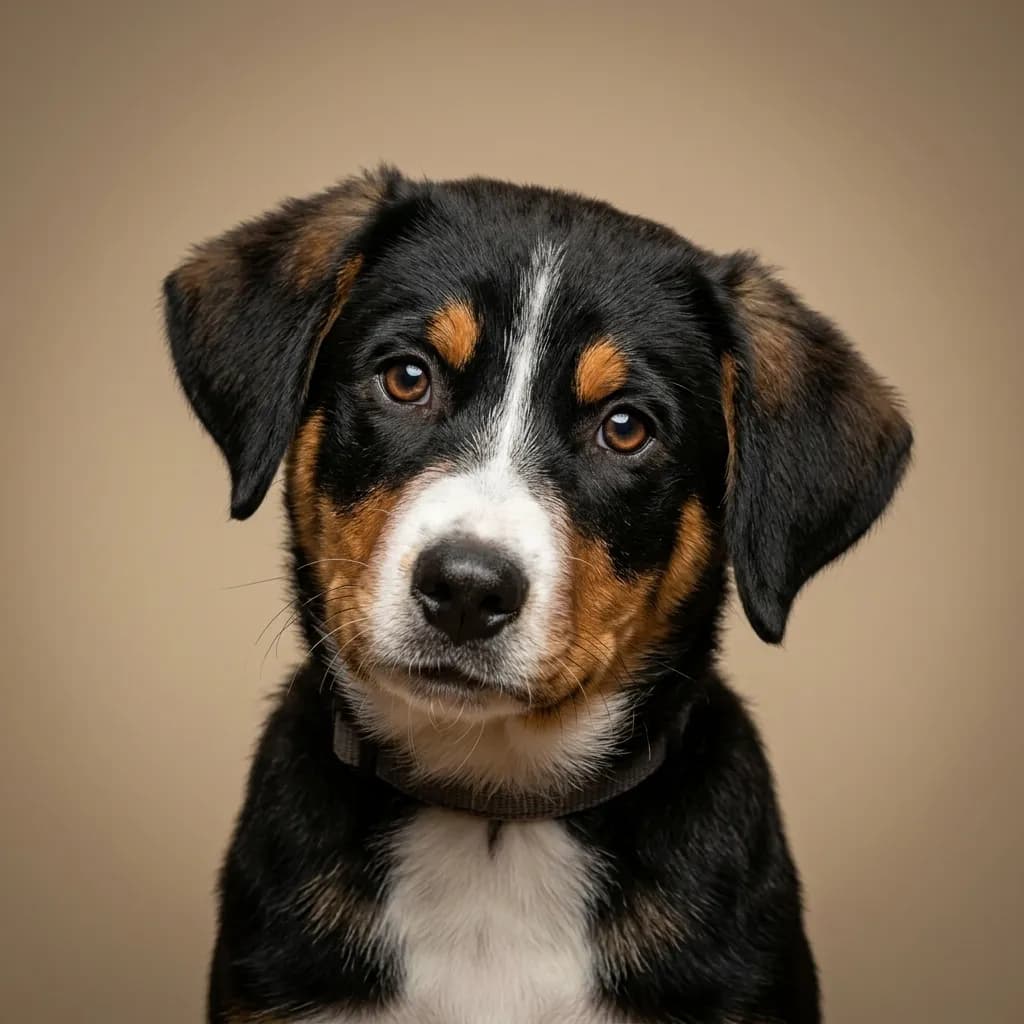
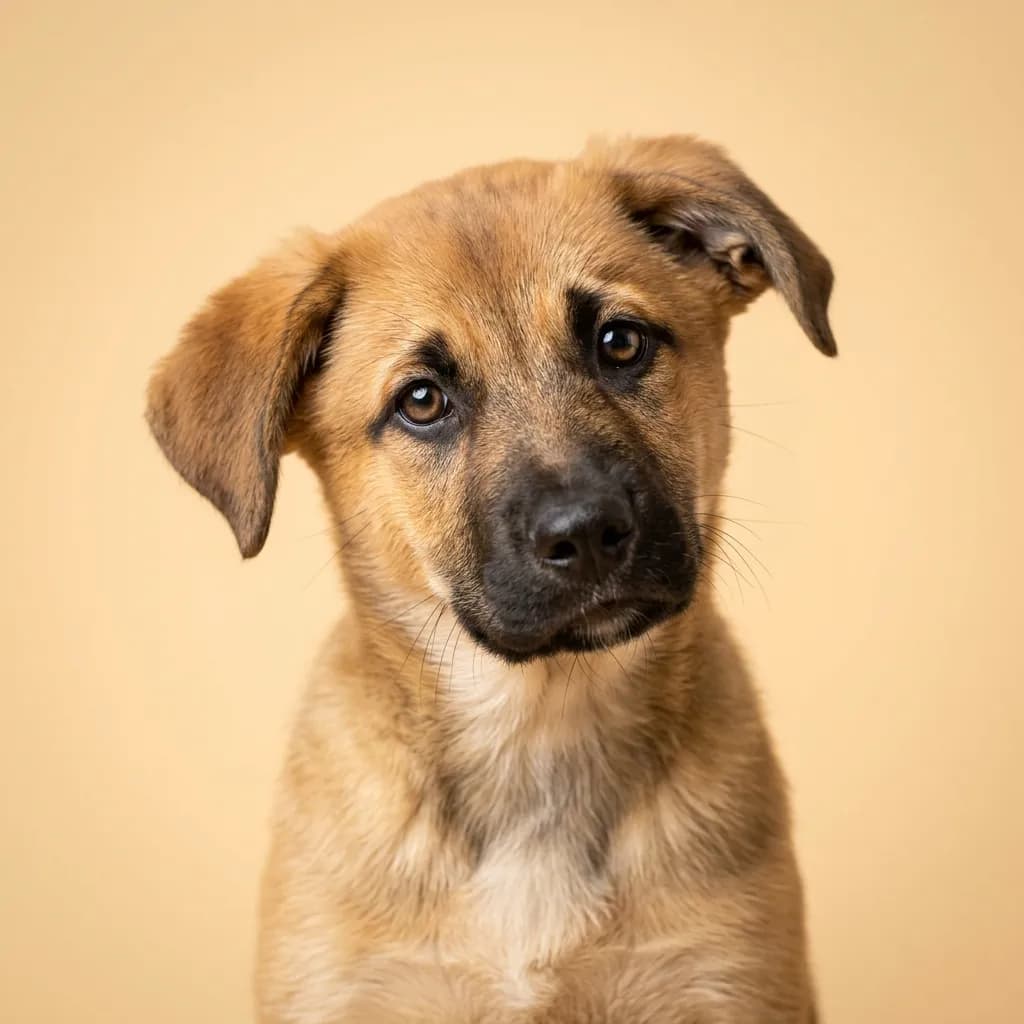
People compare Appenzeller Sennenhunds and Chinooks because both are mid- to large-sized, energetic dogs with a working edge and a love for cold weather. They look like they could be cousins at a glance. tri-colored, sturdy, built for action. But that’s where the similarity ends. The Appenzeller is the alpine multitasker. Think of it as the Swiss Army knife of herding dogs. lively, intense, always scanning the horizon. It was bred to move cattle and pull carts over rugged terrain, so it thrives on variety. It’s affectionate with its people but doesn’t suffer fools; it needs an owner who’s as mentally sharp as it is. You’ll hear it bark. often. That’s not neurosis, it’s vigilance. This dog wants a job and it wants it now. It’s not the best fit if your idea of activity is walking to the mailbox. The Chinook, in contrast, is the gentle giant with a diesel engine. Bred for sled work in New Hampshire, it’s deeply people-oriented, especially with kids. Where the Appenzeller questions your decisions, the Chinook will patiently wait for the next one. It’s more adaptable to different routines and less reactive, but don’t mistake calm for lazy. It still needs miles, especially in winter. And yes, it barks. maybe even more. but usually with a reason. Here’s the real insight: The Appenzeller bonds deeply but on its terms. The Chinook will love everyone in the house equally, and that matters if you have a family where no one is the “one and only” dog person. Choose the Appenzeller if you want a partner in adventure who’s always three steps ahead. Choose the Chinook if you want a loyal, steady companion who’ll pull you through winter. and through life.
Trait-by-trait
Higher bar = more of that trait. Shedding, barking, drooling, grooming flipped for readability.Where they diverge
Choose the Appenzeller Sennenhund if…
- active families
- experienced owners
- rural and farm settings
- You value mental stimulation needs — Appenzeller Sennenhund scores noticeably higher.
Choose the Chinook if…
- Active families
- Cold climates
- Those wanting a sled dog
- You value good with young children — Chinook scores higher here.