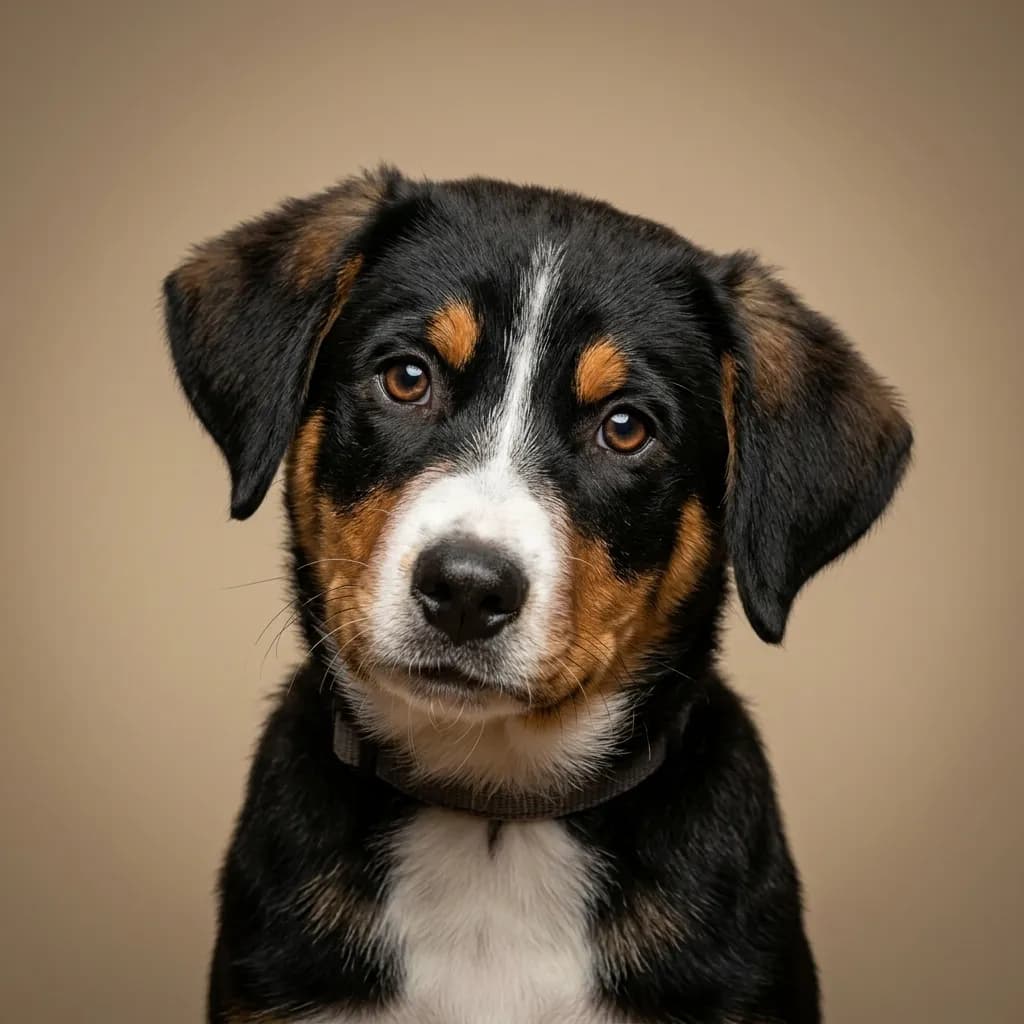
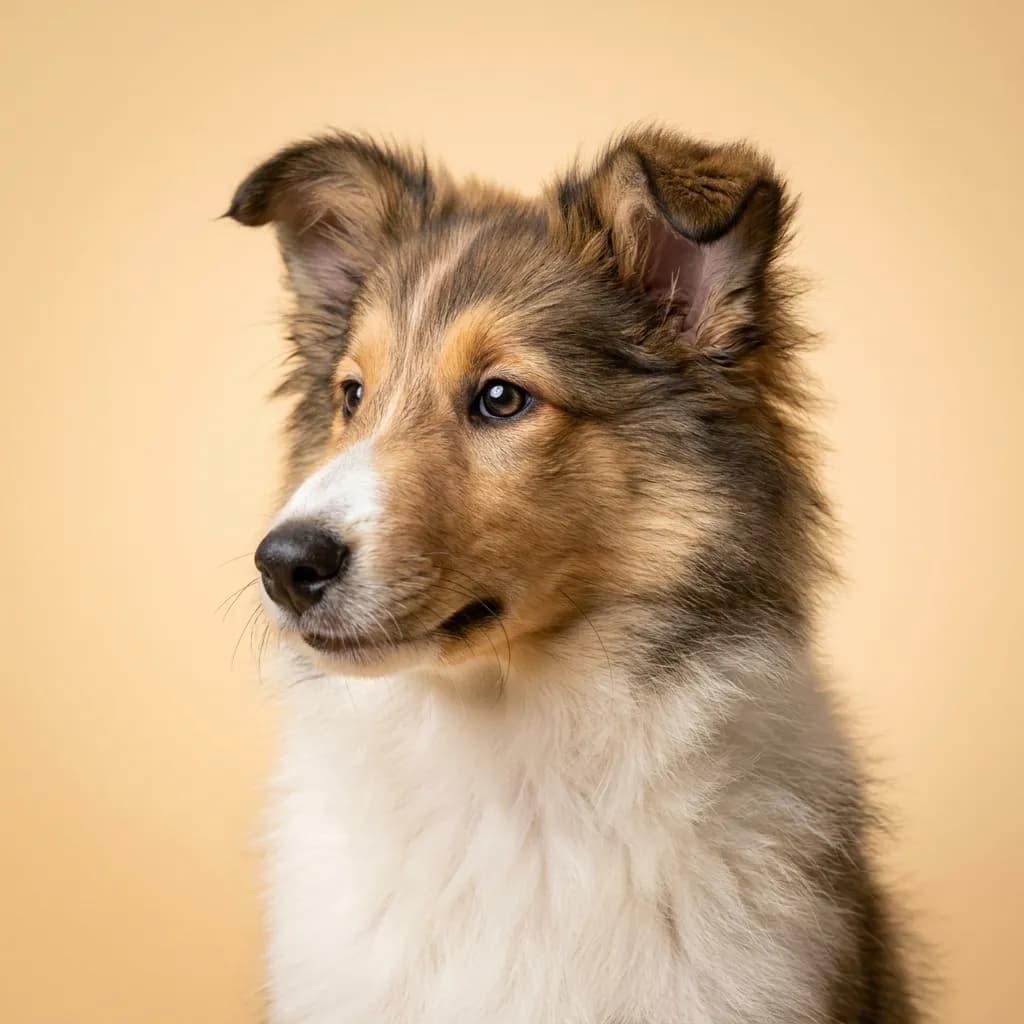
Appenzeller Sennenhund vs Collie
Side-by-side comparison across all 14 AKC trait ratings, with a clear verdict on which breed fits which kind of household.
Not sure which breed fits your life?
Answer five questions about your home, your schedule, and your tolerance for shedding. We’ll match you to your top three breeds from over 200.
Appenzeller Sennenhund vs Collie
People toss Appenzellers and Collies into the same conversation because both are medium-to-large herding dogs with a work ethic and a coat that means business. But that’s where the easy comparison ends. These dogs live different lives, even if their energy scores look similar on paper. The Appenzeller is the Swiss mountain athlete. compact, intense, built for steep terrain and big tasks. You’ll need to keep up. This isn’t a dog that’ll settle into a suburban backyard and smile; it wants purpose. Think obstacle courses, advanced obedience, or actual livestock work. They’re not as polished as Collies in the training ring, but they’re sharper, more independent. If you’ve got experience and an active rural life, they’ll glue themselves to you with fierce loyalty. But if you’re a first-time owner or live in a condo, you’ll lose this battle. The Collie, meanwhile, is the graceful diplomat of the two. Bred for open fields and close cooperation with shepherds, they’re deeply attuned to people. A Collie wants to please, learns fast, and thrives in family life. especially with kids. Their barking is legendary, their coat a vacuum’s worst nightmare, but their temperament is steady and forgiving. They adapt better to different homes, as long as they get daily walks and some mental touchpoints. Here’s the real talk: Appenzellers are rare for a reason. They’re not broken Collies. they’re a different species of commitment. Collies can be great first dogs. Appenzellers? They’re for people who’ve already learned what they don’t know about dogs. Pick the Collie if you want a responsive, family-ready partner. Pick the Appenzeller only if you’re ready to earn its trust every single day.
Trait-by-trait
Higher bar = more of that trait. Shedding, barking, drooling, grooming flipped for readability.Where they diverge
Choose the Appenzeller Sennenhund if…
- active families
- experienced owners
- rural and farm settings
- You value mental stimulation needs — Appenzeller Sennenhund scores noticeably higher.
Choose the Collie if…
- Families with children
- Active individuals
- Homes with a yard
- You value good with young children — Collie scores higher here.