Appenzeller Sennenhund vs Dutch Shepherd
Side-by-side comparison across all 14 AKC trait ratings, with a clear verdict on which breed fits which kind of household.
Not sure which breed fits your life?
Answer five questions about your home, your schedule, and your tolerance for shedding. We’ll match you to your top three breeds from over 200.
Appenzeller Sennenhund vs Dutch Shepherd
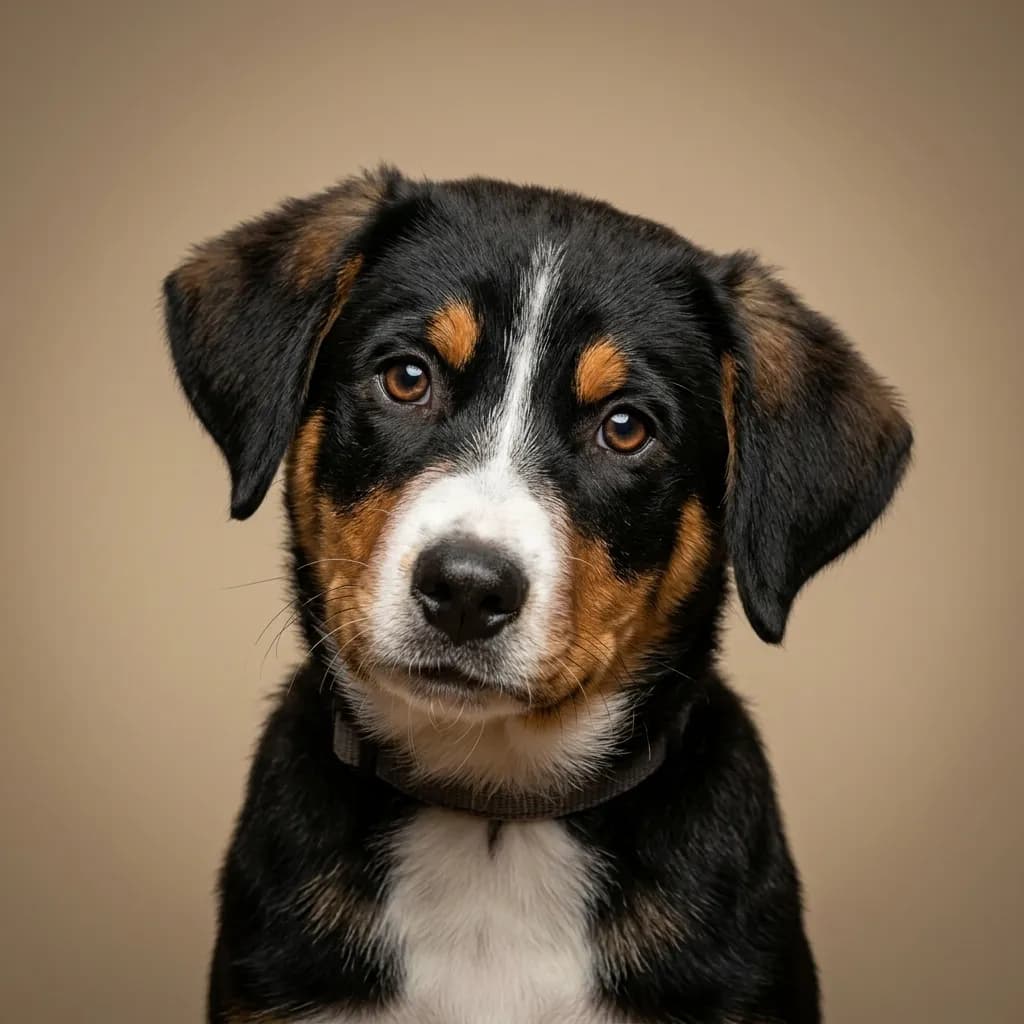
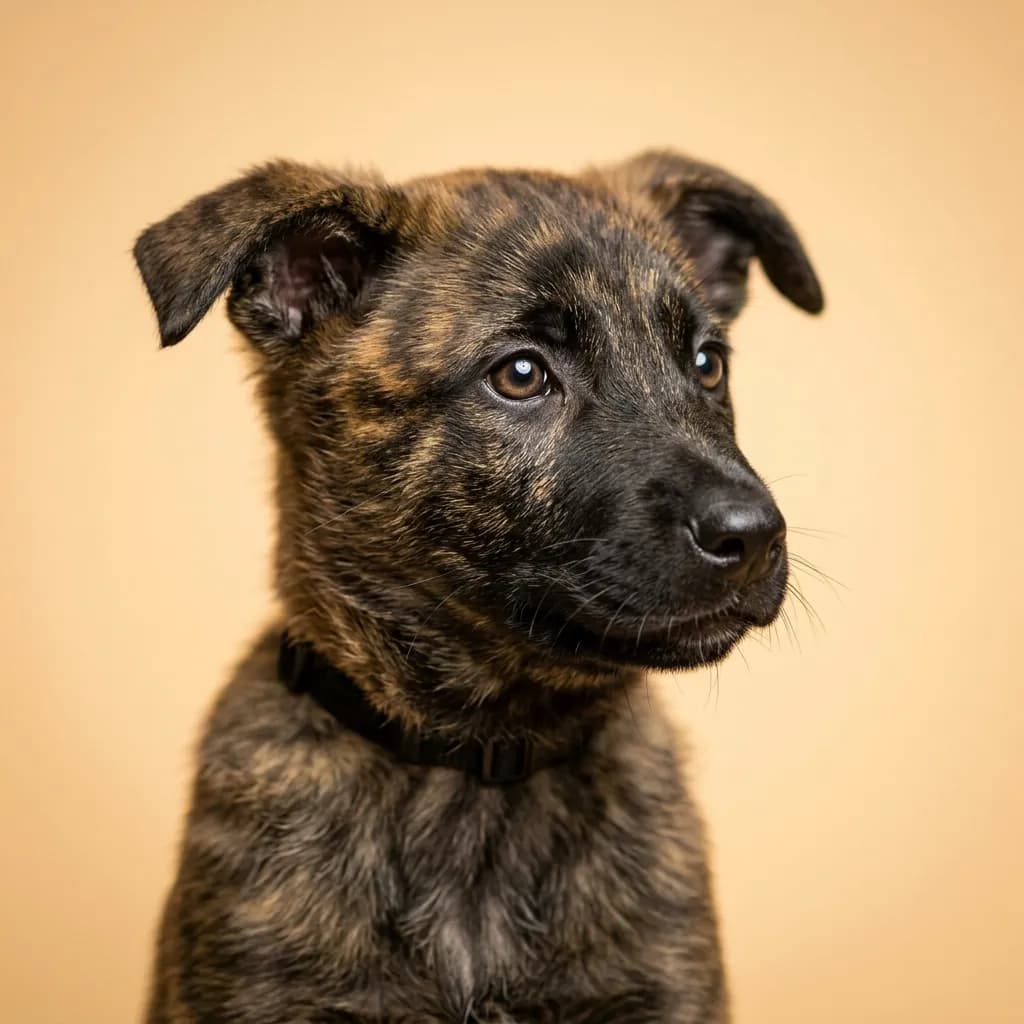
You don’t see Appenzeller Sennenhunds and Dutch Shepherds side by side at the dog park. both are rare, both are working dogs with a point to prove. People compare them because they look vaguely similar at a glance: medium-sized, brindle coats, alert eyes, built for action. But that’s where the surface ends and the real differences dig in. The Appenzeller is the spirited alpine multitasker. He’s agile, a bit louder, loves to bark like he’s still driving cattle down a mountain pass, and thrives when he has a job that changes daily. He bonds deeply with his person, but he’s not always tuned in. Trainability is decent but not off the charts. He wants to work with you, just not necessarily your way. The Dutch Shepherd? This dog runs on pure purpose. Every muscle, every thought is geared toward performance. He’s quieter than you’d expect, but don’t mistake that for calm. he’s a mental athlete who needs complex challenges or he’ll invent his own, usually involving your shoes or the backyard fence. His trainability is elite. Want agility, herding, search and rescue? He’s already signed up. If you’re active but not obsessive, and want a loyal, lively partner with some independence, the Appenzeller might be your fit. But if you live for dog sports and can commit to daily mental and physical rigor, the Dutch Shepherd will outwork anything you throw at him. Here’s the real talk: neither dog tolerates boredom. But the Dutch Shepherd doesn’t just get bored. he gets dangerous. His intensity isn’t a quirk, it’s his core. Most owners underestimate that. Pick him only if you’re ready to match his drive, not manage it.
Trait-by-trait
Higher bar = more of that trait. Shedding, barking, drooling, grooming flipped for readability.Where they diverge
Choose the Appenzeller Sennenhund if…
- active families
- experienced owners
- rural and farm settings
- You value barking level — Appenzeller Sennenhund scores noticeably higher.
Choose the Dutch Shepherd if…
- Active individuals
- Experienced dog owners
- Police and military work
- You value watchdog / protective — Dutch Shepherd scores higher here.