Appenzeller Sennenhund vs Kai Ken
Side-by-side comparison across all 14 AKC trait ratings, with a clear verdict on which breed fits which kind of household.
Not sure which breed fits your life?
Answer five questions about your home, your schedule, and your tolerance for shedding. We’ll match you to your top three breeds from over 200.
Appenzeller Sennenhund vs Kai Ken
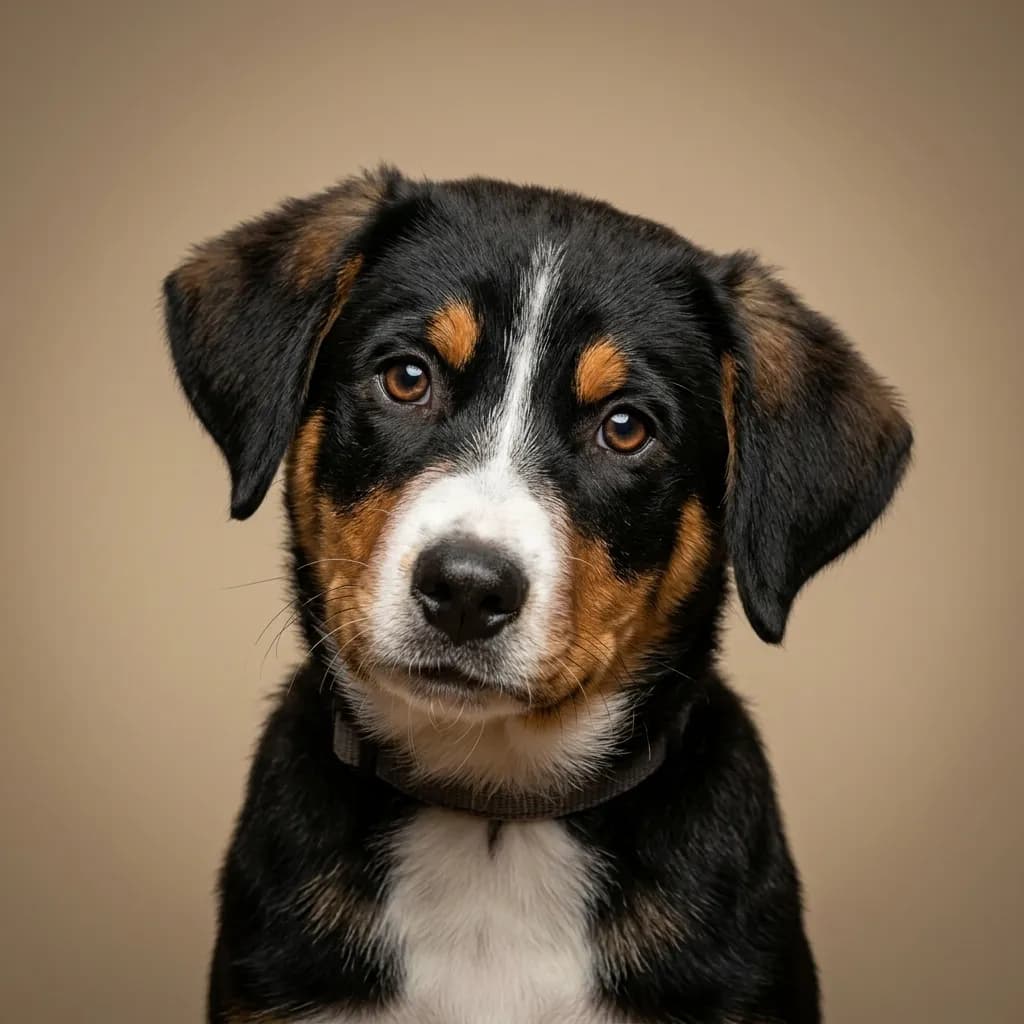
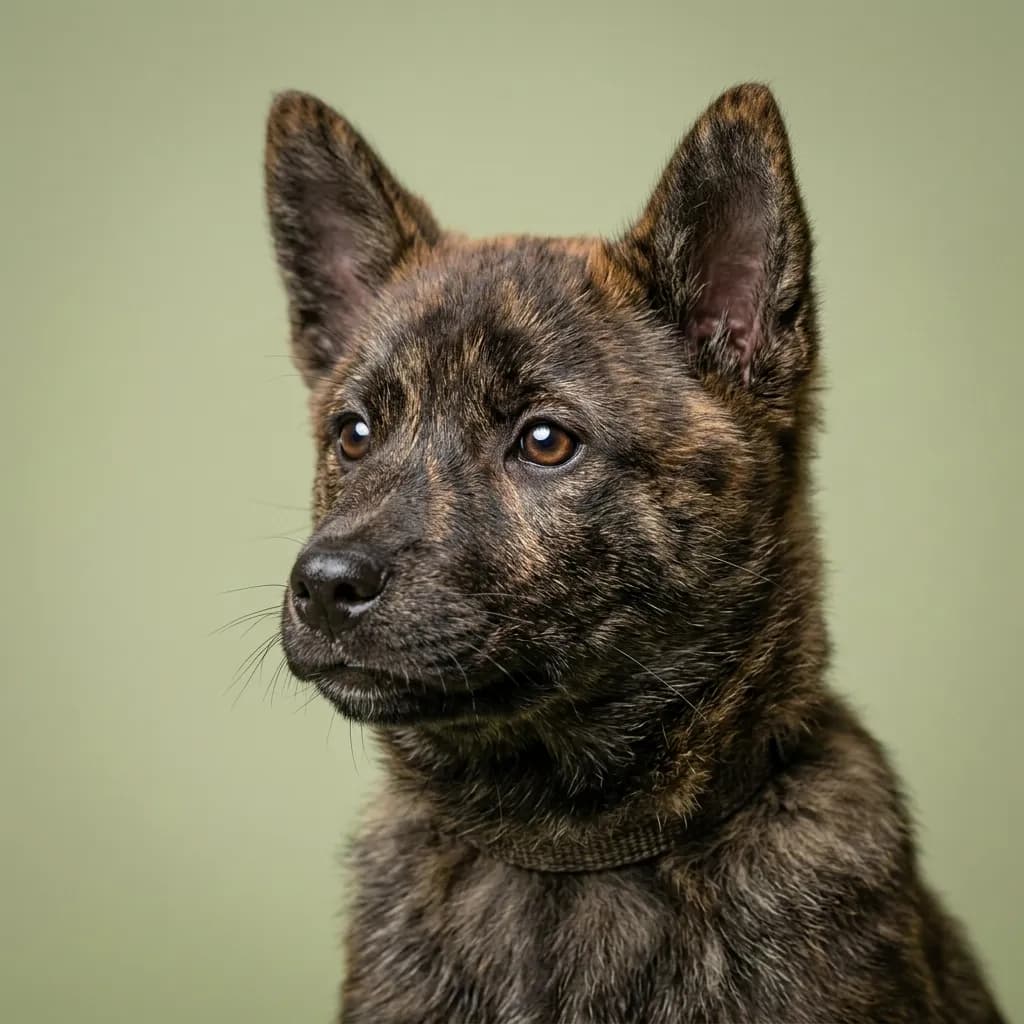
You don’t see many Appenzellers or Kai Kens at the dog park. these aren’t breeds you stumble into. People comparing them are usually deep in the research phase, drawn to rare, working-line dogs with a wild streak and a job to do. Both are agile, mountain-bred, and fiercely loyal, but that’s where the trail splits. The Appenzeller, from the Swiss Alps, is a talkative, barking engine built for movement. At 50 to 70 pounds, it’s larger, louder, and more social. affectionate with its people and surprisingly good with kids if raised with them. It thrives on tasks, whether herding, carting, or agility courses. But it needs space and purpose. You can’t just take this dog for a walk and call it a day. It’ll outlast you, then bark at the squirrels for another hour. The Kai Ken, Japan’s “tiger dog” with brindle fur and a reserved charm, is leaner, quieter, and more independent. Clocking in at 20 to 40 pounds, it’s built for stealth and endurance in rugged terrain. It bonds tightly with one or two people and can be aloof with strangers. or your neighbor’s cat. It’s less vocal than the Appenzeller but just as mentally sharp. This isn’t a dog that craves cuddles; it wants respect and a challenge. Here’s the real difference: the Appenzeller wants to work with you, the Kai Ken wants to work alongside you. One is your enthusiastic teammate, the other, your silent partner in the woods. Choose the Appenzeller if you’ve got a farm, a sport in mind, or a family that hikes hard. Pick the Kai Ken if you’re experienced, live remotely, and want a dog that feels more like a wild thing you’ve earned. Both demand commitment. but if you’re looking for a pet, neither will settle.
Trait-by-trait
Higher bar = more of that trait. Shedding, barking, drooling, grooming flipped for readability.Where they diverge
Choose the Appenzeller Sennenhund if…
- active families
- experienced owners
- rural and farm settings
- You value affectionate w/ family — Appenzeller Sennenhund scores noticeably higher.
Choose the Kai Ken if…
- Experienced dog owners
- Active owners
- Cold climates
- You value watchdog / protective — Kai Ken scores higher here.