Appenzeller Sennenhund vs Keeshond
Side-by-side comparison across all 14 AKC trait ratings, with a clear verdict on which breed fits which kind of household.
Not sure which breed fits your life?
Answer five questions about your home, your schedule, and your tolerance for shedding. We’ll match you to your top three breeds from over 200.
Appenzeller Sennenhund vs Keeshond
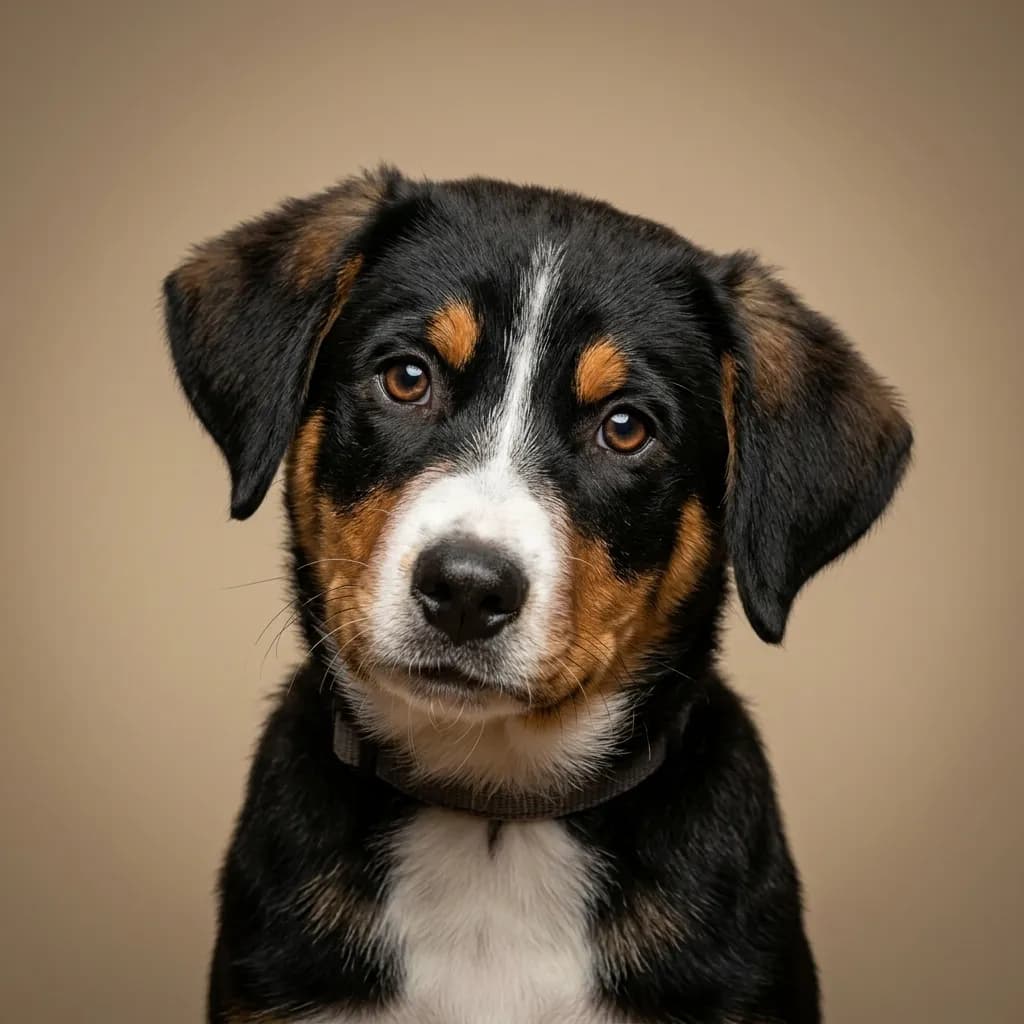
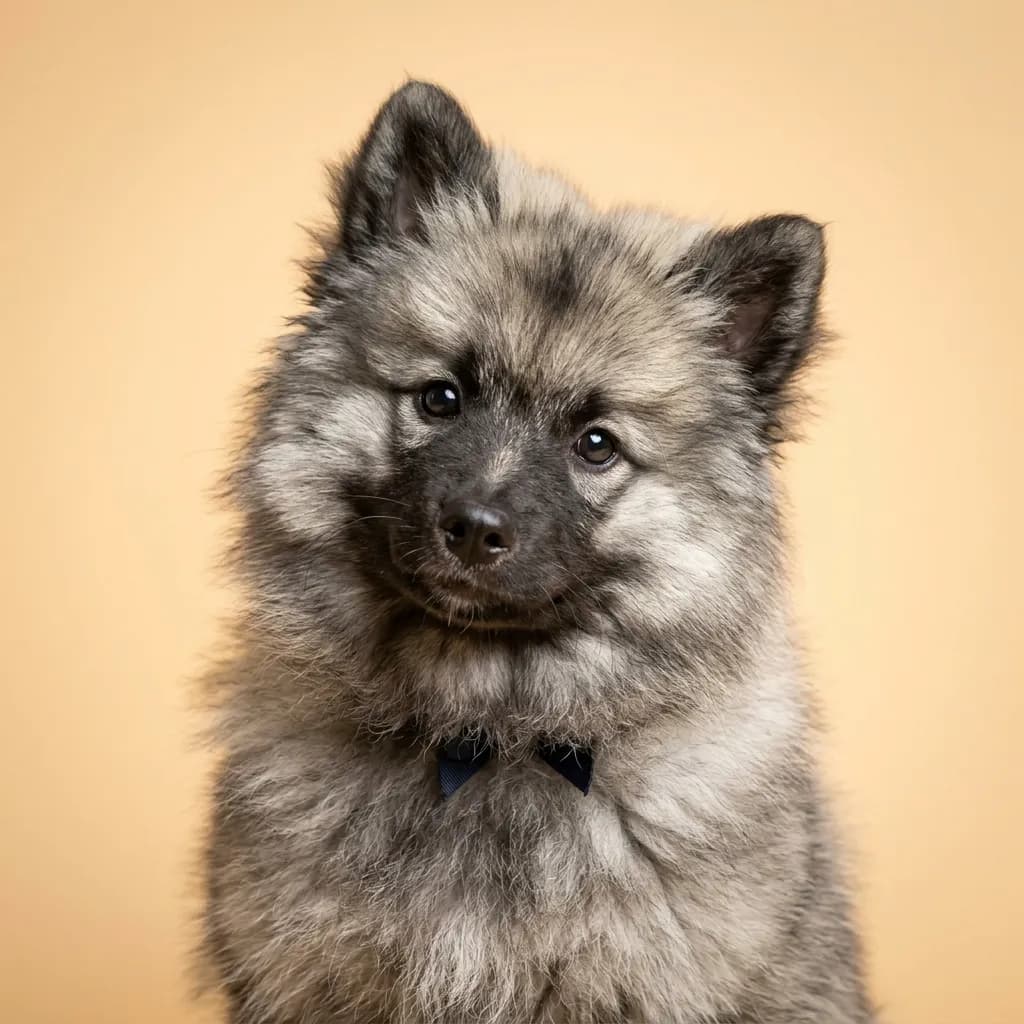
People compare Appenzeller Sennenhunds and Keeshonds because both are medium-sized, energetic dogs with thick coats and loud voices. At a glance, they seem like two peas in a pod. especially if you're drawn to lesser-known breeds with personality. But that’s where the real similarities end. The Appenzeller is a Swiss mountain dog built for work. Think farm life: rugged terrain, long days, herding stubborn cattle and hauling gear in alpine weather. This dog thrives when it has a job. whether that’s agility, hiking 10 miles, or cart-pulling. It’s affectionate but not clingy, loyal but not a shadow. It needs space, experience, and an owner who won’t mind the constant barking at squirrels or passing bikes. First-time owners? Probably not. Apartment living? Forget it. You’ll get a 50-pound dynamo that’s moderately trainable but high on vigilance and mental drive. The Keeshond, meanwhile, is the friendly neighborhood watchman with a permanent smile and a coat like a stuffed animal. Bred on Dutch barges, it’s a companion first. deeply affectionate, eager to please, and incredibly patient with kids. It adapts well to suburban or even city life as long as you’re home often. It’s smarter and more trainable than the Appenzeller, but it will bark at the mailman, the leaves, and its own reflection. And yes, you’ll vacuum. A lot. But it’s happy indoors, loves routines, and bonds tightly with everyone in the household. Here’s the real difference: The Appenzeller wants to do something with you. The Keeshond just wants to be with you. One is a partner in adventure. The other is a furry therapist who happens to look like a teddy bear. Pick based on whether you want a teammate or a roommate.
Trait-by-trait
Higher bar = more of that trait. Shedding, barking, drooling, grooming flipped for readability.Where they diverge
Choose the Appenzeller Sennenhund if…
- active families
- experienced owners
- rural and farm settings
Choose the Keeshond if…
- Families with children
- Active owners
- Cold climates
- You value good with young children — Keeshond scores higher here.