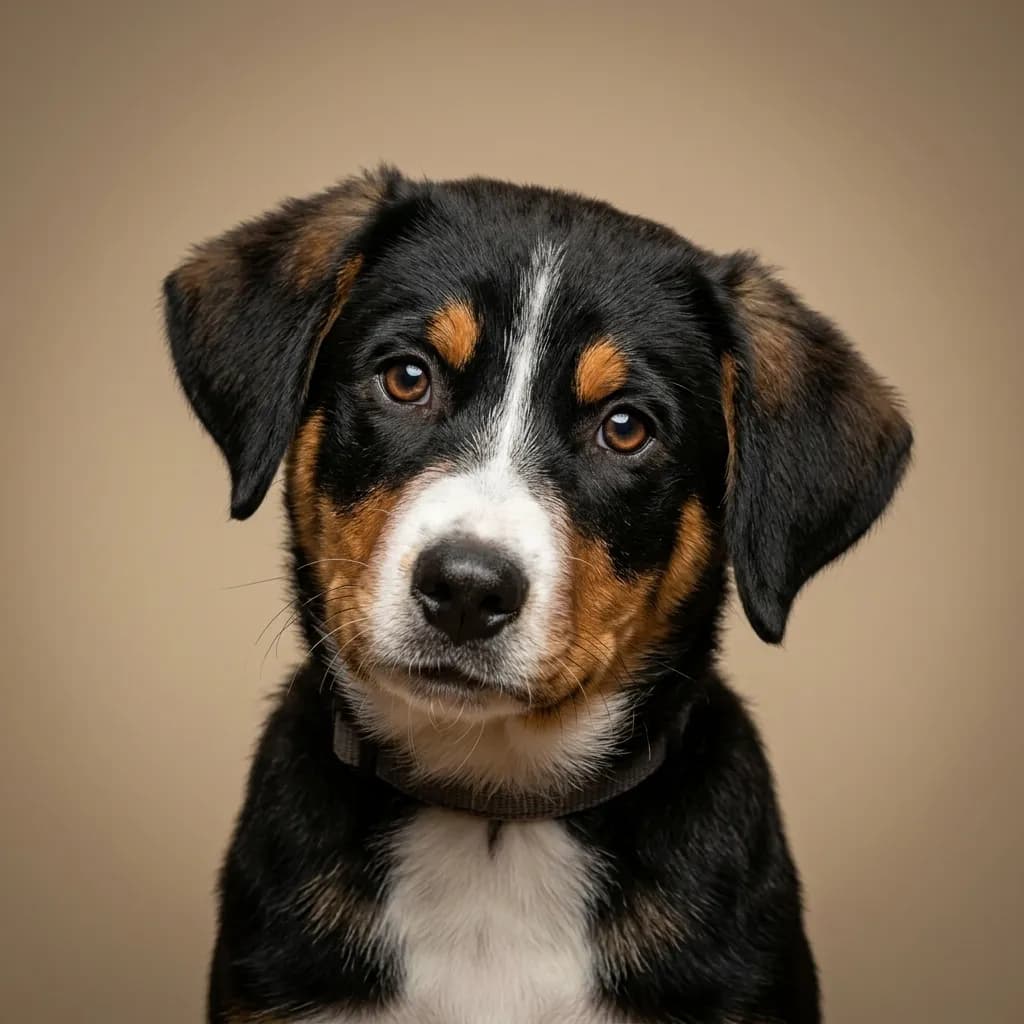
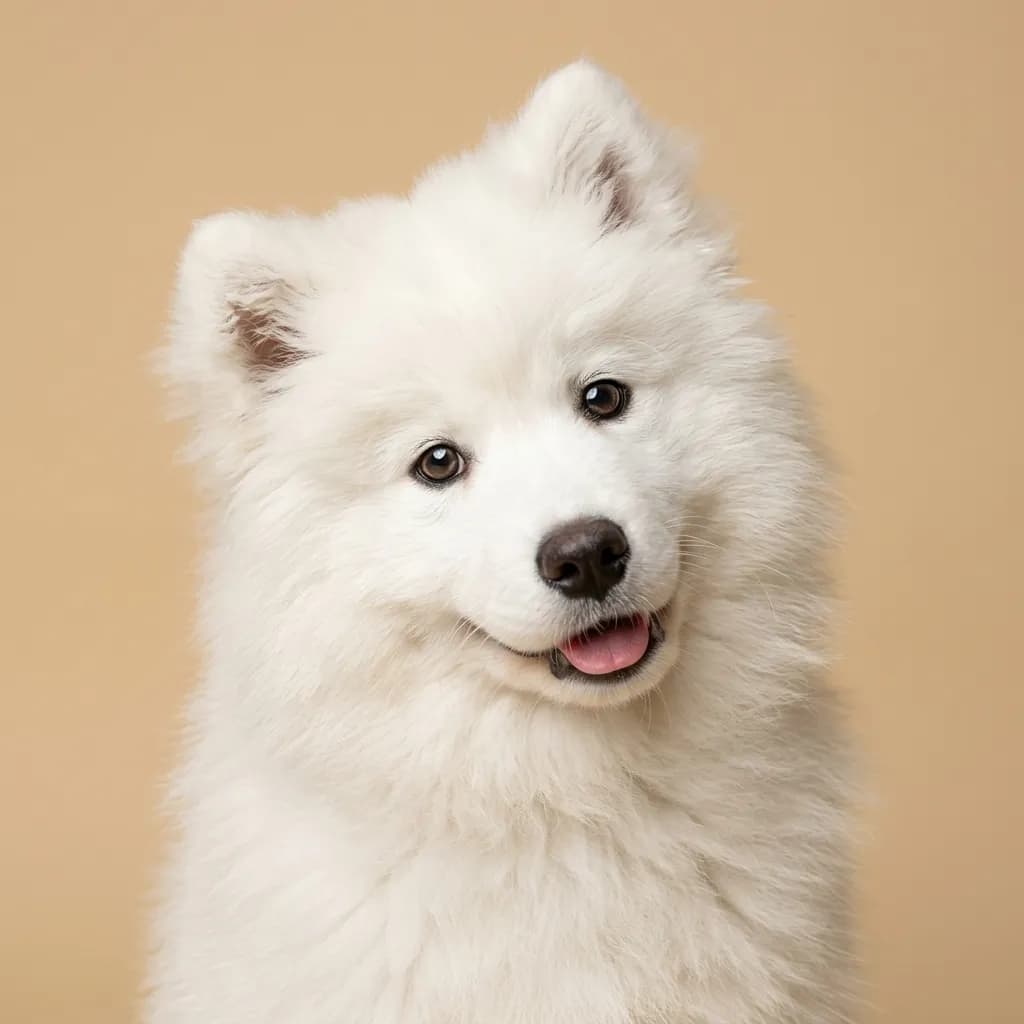
Appenzeller Sennenhund vs Samoyed
Side-by-side comparison across all 14 AKC trait ratings, with a clear verdict on which breed fits which kind of household.
Not sure which breed fits your life?
Answer five questions about your home, your schedule, and your tolerance for shedding. We’ll match you to your top three breeds from over 200.
Appenzeller Sennenhund vs Samoyed
You’re probably comparing these two because they’re both medium to large, white or tri-colored dogs with a sturdy build and a smile. Maybe you want a family dog that stands out, can handle outdoor life, and has personality to spare. But that’s where the surface similarities end. The Appenzeller Sennenhund is the Swiss alpine workhorse you’ve never heard of. Compact, intense, and built for agility, this dog thrives when it has a job. like herding livestock or mastering an obstacle course. It’s affectionate with its people but doesn’t suffer fools. It’ll bark at a leaf falling wrong and needs consistent training. This isn’t a dog for lazy weekends; it’s for someone who hikes, farms, or trains. Kids? They’ll need to keep up. First-time owners? You’ll be outmatched. The Samoyed, on the other hand, is the smiling plush cloud from Siberia. Bred to pull sleds and sleep under frozen tents, it’s built for cold, not just in coat but in soul. It’s deeply social, affectionate with everyone, and loves being part of the family chaos. But that plush coat? It’s a full-time grooming commitment. And the barking? It’s not just frequent. it’s conversational. If you live in a hot climate or hate dog hair on your dark furniture, rethink everything. Here’s the real difference: the Appenzeller wants to work with you as a partner. The Samoyed wants to love you like you’re the only person in the world. Both need mental stimulation, but the Samoyed will charm strangers at the dog park; the Appenzeller will eye them suspiciously. Pick the Appenzeller if you want a sharp, loyal co-pilot for rural life. Pick the Samoyed if you want a joyful, fluffy family mascot who thrives on connection. and don’t mind a high laundry bill.
Trait-by-trait
Higher bar = more of that trait. Shedding, barking, drooling, grooming flipped for readability.Where they diverge
Choose the Appenzeller Sennenhund if…
- active families
- experienced owners
- rural and farm settings
Choose the Samoyed if…
- Active families
- Cold climate households
- Dog sports enthusiasts
- You value good with young children — Samoyed scores higher here.