Appenzeller Sennenhund vs Schapendoes
Side-by-side comparison across all 14 AKC trait ratings, with a clear verdict on which breed fits which kind of household.
Not sure which breed fits your life?
Answer five questions about your home, your schedule, and your tolerance for shedding. We’ll match you to your top three breeds from over 200.
Appenzeller Sennenhund vs Schapendoes
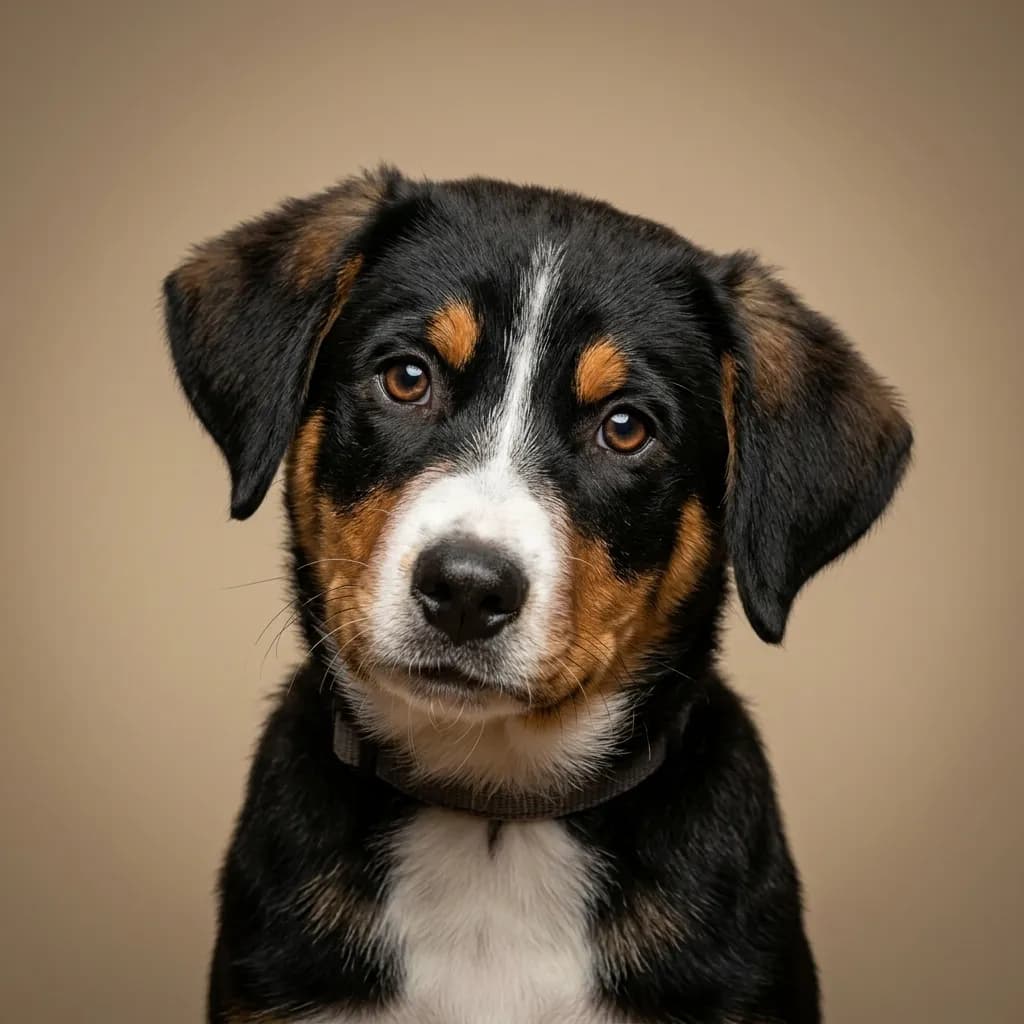
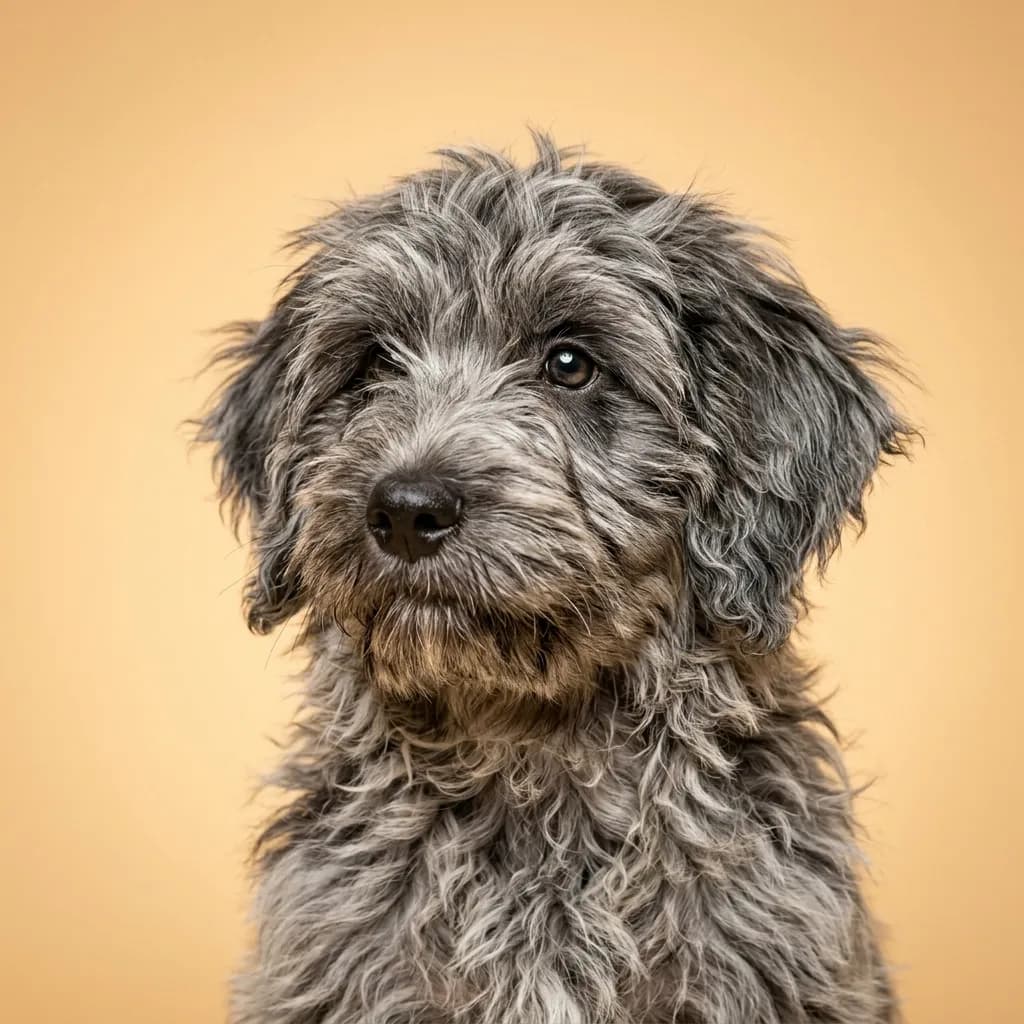
You don’t see people comparing Appenzeller Sennenhunds and Schapendoes every day, but when they do, it’s usually someone with a farm or a serious dog sport habit trying to figure out which herding breed brings more joy and less headache. Both are rare, energetic, and come from old European stock, but that’s where the similarities start to unravel. The Appenzeller is the bolder of the two. think loud, intense, and always ready to work. He’s not just alert, he’s suspicious of the mailman, the neighbor, and probably your cousin’s new boyfriend. He’ll bark through a thunderstorm and then go patrol the perimeter. He’s loyal in a fierce way, like a Swiss mountain sentry in dog form. You need space for him, and experience. He’s not forgiving of sloppy training and won’t adapt to apartment life no matter how much you love him. The Schapendoes, in contrast, greets the world with a goofy grin and a coat that looks like a sheep fought a dandelion and lost. He’s softer in temperament, easier to train, and actually enjoys pleasing you. like, genuinely enjoys it. He’s still a herding dog with a need for mental puzzles and daily movement, but he’s more adaptable. You can keep him on a farm or a large suburban lot, as long as you brush that wild coat a few times a week. Here’s the real talk: if you want a dog that feels like a partner in a high-stakes job, go Appenzeller. But if you want a dog that makes you laugh, learns fast, and still herds like a pro, the Schapendoes might just steal your heart. and your favorite hat, because he’s always up for a game.
Trait-by-trait
Higher bar = more of that trait. Shedding, barking, drooling, grooming flipped for readability.Where they diverge
Choose the Appenzeller Sennenhund if…
- active families
- experienced owners
- rural and farm settings
- You value shedding level — Appenzeller Sennenhund scores noticeably higher.
Choose the Schapendoes if…
- active families
- agility and herding sport enthusiasts
- experienced herding breed owners
- You value good with other dogs — Schapendoes scores higher here.