Appenzeller Sennenhund vs Shikoku
Side-by-side comparison across all 14 AKC trait ratings, with a clear verdict on which breed fits which kind of household.
Not sure which breed fits your life?
Answer five questions about your home, your schedule, and your tolerance for shedding. We’ll match you to your top three breeds from over 200.
Appenzeller Sennenhund vs Shikoku
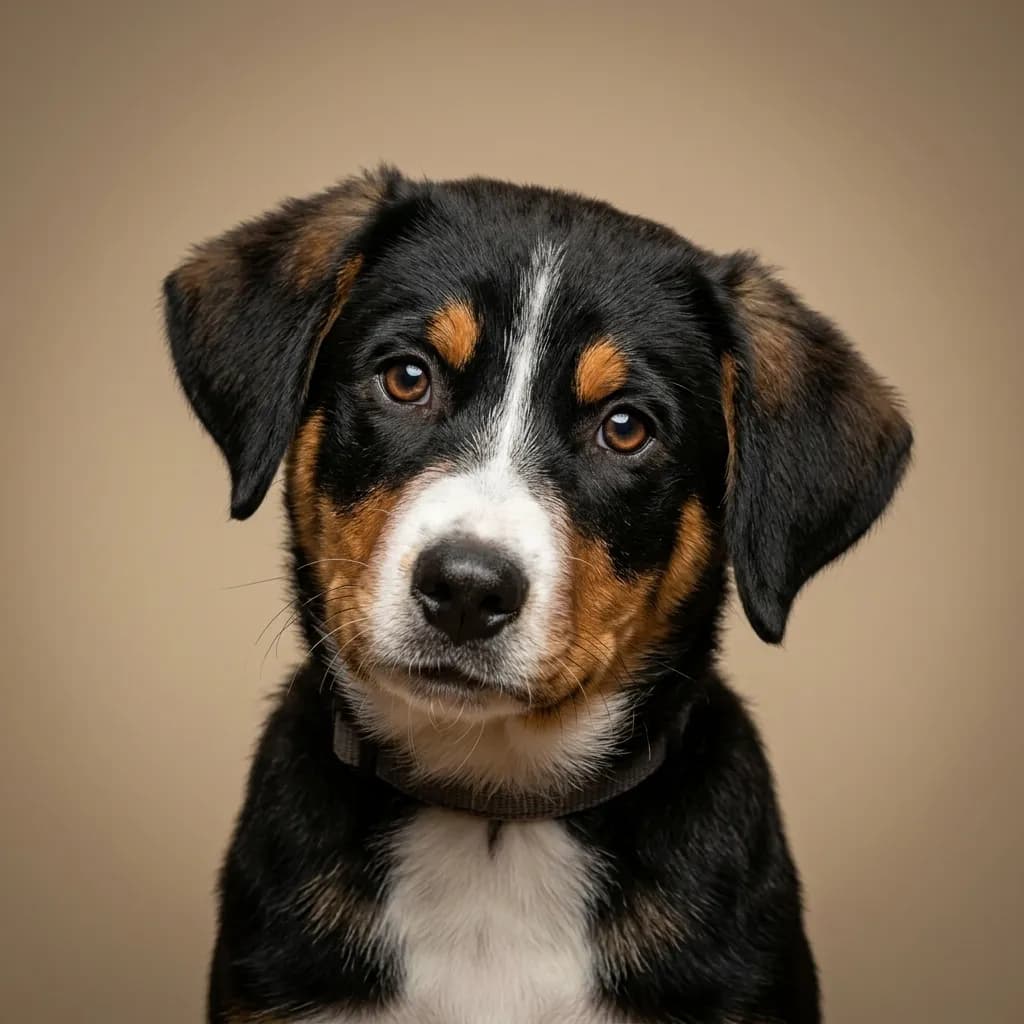
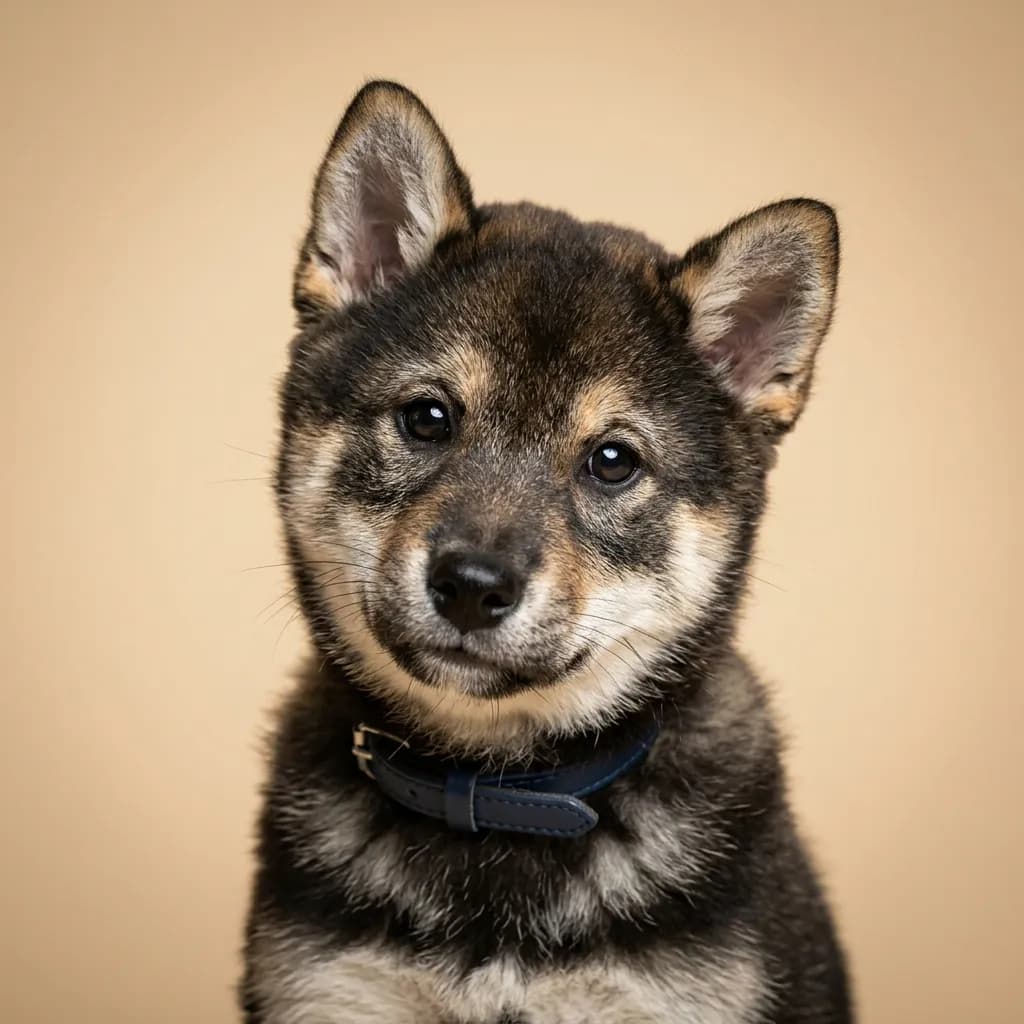
You don’t see Appenzeller Sennenhunds and Shikokus side by side at dog parks. both are rare, both are working breeds with sharp minds and sharper instincts. but people compare them because they’re medium-sized, active, and look vaguely similar at a glance. That’s where the similarity ends. These dogs come from opposite sides of the world with entirely different jobs and temperaments beneath the surface. The Appenzeller, from the Swiss Alps, is a lively herder and cart dog with a wiry intelligence. It thrives when it has a job, whether that’s agility, hiking, or barn chores. It’s more social than you’d expect, affectionate with its people and generally good with kids, though its loud bark and moderate energy mean it needs space and purpose. It’s adaptable to different climates but not to lazy lifestyles. If you’re active and want a dog that’s engaged and responsive. without being clingy. the Appenzeller fits. The Shikoku, in contrast, is a mountain hunter from Japan bred to track boar in rugged terrain. It’s more independent, more reserved, and far less forgiving of novice handling. While affectionate in its own way, it’s not a velcro dog. It’s aloof with strangers and can be cat-reactive, even if raised with them. It needs secure space and an owner who understands canine body language and boundaries. It’s less about pleasing you and more about partnering with you. on its terms. Here’s the real difference: the Appenzeller wants to work with you. The Shikoku wants to work alongside you. and it’s judging whether you’re up to the task. If you’re a first-time owner or live in a small space, skip both. But if you’re experienced, outdoorsy, and want a thinking dog, the Appenzeller is your versatile teammate. The Shikoku? That’s for someone who respects silence, subtlety, and the wild edge that never fully gets bred out.
Trait-by-trait
Higher bar = more of that trait. Shedding, barking, drooling, grooming flipped for readability.Where they diverge
Choose the Appenzeller Sennenhund if…
- active families
- experienced owners
- rural and farm settings
- You value affectionate w/ family — Appenzeller Sennenhund scores noticeably higher.
Choose the Shikoku if…
- Experienced dog owners
- Active outdoor enthusiasts
- Those wanting a primitive, independent breed
- You value coat grooming — Shikoku scores higher here.